Topics / Parenting
Parenting Podcasts
644 shows and 85,655 episodes sit under Parenting.
Curated guide to parenting podcasts in 2026: teen / tween psychology (Ask Lisa), gentle / connection-method (Connect Method Parenting, Authentic Parenting), adoption
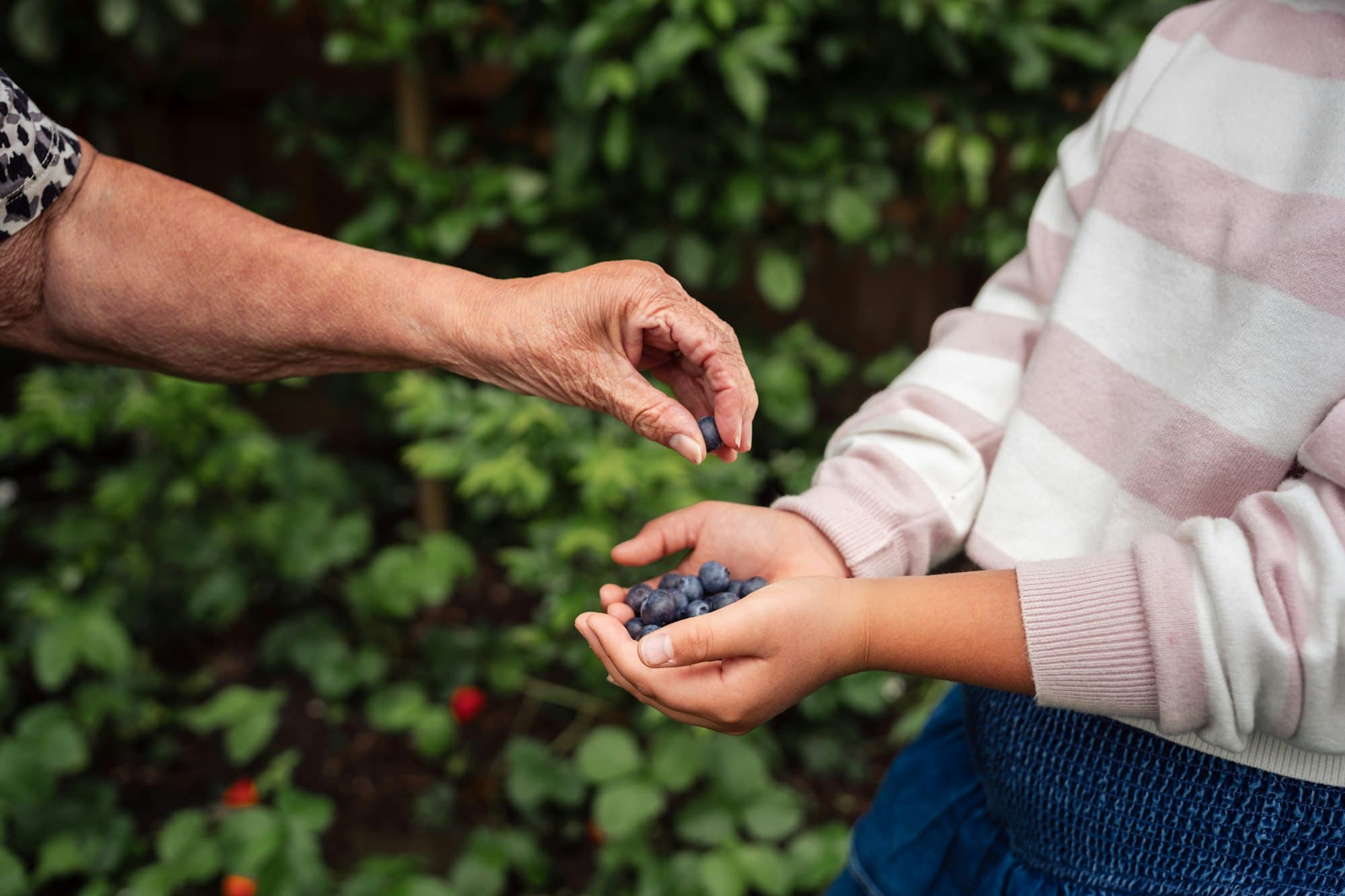
Photo: Jelly Marketing on Unsplash · Unsplash License
Swipe · Parenting only
Swipe through Parenting
Save time discovering your next favourite podcast by listening to just the best minute of an episode.
The parenting slate · every cover a link
All 644 parenting shows →








The rundown
What you'll hear on Parenting podcasts
If you have ten minutes before the children come home, the choice is partly about what you want to carry into the room: a sentence to use during an argument, another parent’s account of an exhausting week, or permission to leave a problem unresolved. At their best, parenting podcasts put an abstract idea inside a recognisable encounter and give the listener room to think.
The form stretches from tightly organised coaching to interviews that take the long way through birth, work and the childhood of the person now doing the parenting. These are chiefly programmes for adults, even within Kids & Family. Critics of advice culture question the burden of constant self-monitoring; listeners who value guidance want something usable. Candour raises a separate question about how much of a child’s life should become a parent’s public story. Comfort, instruction and intimate disclosure ask different things of the listener.
Calmer responses, with something concrete to try

A denied ice cream or toast cut into the wrong shape is enough to open Real World Peaceful Parenting. Lisa Smith builds her solo coaching around these small collisions, then supplies an image to hold on to. In 274: Why Your Kid Overreacts (And What They Actually Need), she describes emotional capacity as a fuel tank and argues that strong-willed children often have less room before it empties. The metaphor makes her explanation memorable; her claims about children’s nervous systems remain her account.

In 289: The 90 Seconds Between You and the Parent You Want to Be, Smith turns towards the adult, proposing that listeners notice a feeling, stay with it and tend to it. Her repeated questions give the episode the cadence of a coaching session. Good Inside with Dr. Becky offers a more conversational route: in Screens without Shame: Jonathan Haidt and Catherine Price, Becky Kennedy admits to phone use and guilt-driven shouting before discussing screens with her guests. She suggests language for acknowledging to a child that her own phone can interfere with closeness. Choose Smith for a framework rehearsed aloud, Kennedy for discussion that begins with her own difficulty.
These shows make useful neighbours on the Gentle & Positive Parenting page. Continue to the Parenting Advice page for further listening.
Family stories that resist a quick lesson
The Longest Shortest Time asks what happened before it asks what anyone should do. In LST FAVES: Postpartum House Arrest, Hillary Frank follows Jessica, an obstetrician, through the month after giving birth, when her mother Linda insists on staying indoors and avoiding baths. Despite wanting a shower, Jessica explains that being told what to do also felt comforting when she felt emptied out by delivery.
Frank then brings Linda’s childhood into the story. A disagreement about postpartum care acquires a history of deprivation and parental obligation. The pleasure is in hearing two accounts occupy the same space without making either person a simple obstacle.
The Longest Shortest Time’s One Woman, 3 Kids, 15 Rounds of IVF requires a different emotional readiness. Holly describes repeated pregnancy loss and failed transfers while continuing her work as a teacher. This is frank listening about fertility, pain and disappointment: a heavier choice than a short answer to a household question, and one that rewards attention to a sustained personal story.
Babies, bedtime and the logistics nobody can skip

Some listeners need the podcast to stay close to a task. All it Takes is a Plan does that with sleep. In Sleeping in a Hotel Room with Kids: How to Survive (And Actually Sleep), Lauren Engler considers darkness, familiar routines and where everyone will sleep, then remembers nursing a baby back to sleep in a shared room. Her product recommendations sit beside an acknowledgement that the night may go sideways.
Engler advocates sleep training, while Will Sleep Training Make Our Life Rigid? addresses contact naps, travel and families who dislike schedules. She says flexibility depends partly on the child. The Baby & Child Sleep page is a useful next stop for readers weighing routines against the life they want those routines to accommodate.

Twiniversity Podcast with Natalie Diaz widens the lens to supporting parents. In Twins Twice with Kara Gosiak, Gosiak recalls a shorter temper after her first twins and asking her husband to watch for changes after the second pair. The discussion distinguishes noticing distress from taking responsibility for the next phone call or appointment. That distinction makes the work of asking for help concrete. For more early-parenting listening, continue to the Toddlers & Early Childhood page.
School pressure, difference and being heard

Voices of Compassion changes the balance in Burnout, Belonging, and Being Heard: Voices from Teens. Two high schoolers speak with guest host Natalie Tamburello about mental health. One describes working until four in the morning, sleeping until eight and repeating the cycle; reducing the course load later made room for reading. The young people also discuss wanting adults to hear them without immediately producing a solution. For parents, the value lies in listening to an account they do not control.
German-speaking listeners can find a school-centred approach in Chaos, Herz & Wachstum – Der Podcast für (neurodivergente) Familien rund um die Schulzeit. In its conversation with Isa about neurodivergent family life, diagnostic tests and fear of teachers’ prejudices sit beside sharing the work of packing children’s things for an outing. A specialist subject stays connected to ordinary household labour. The Special Needs Parenting page offers a route onwards.
Privacy gets direct attention in Big Fat Positive: Pregnancy and Parenting (BFP). In Ep. 405: ADHD in Kids and Parents, the speakers explain why they waited before discussing ADHD publicly: honesty had to be weighed against information involving their children. Disclosure becomes a decision to examine rather than a badge of authenticity.
Fatherhood as a relationship

On Echte Papas, Kester Schlenz remembers his son asking him to bring the same silly games into grandfatherhood: stealing noses, playing a zombie, putting his face very close while the children shut their eyes. His children made a birthday tribute from remembered jokes and family sayings. This German-language conversation recalls fatherhood through things people did together. The specificity gives it warmth. The Fatherhood page is the place to pursue more dad conversation.
Making room for rest

For adults educating children at home, make joy normal: cozy homeschooling brings an explicitly Catholic perspective. In rediscovering rest: an interview with Hannah Chartier and a life update :), Chartier remembers losing her hour of morning prayer after her first child was born. She proposes beginning again with a few minutes of silence. The hesitant questions and affirming replies make this a conversation about adjusting a valued practice to motherhood.
For listening chosen for children themselves, turn to Educational Content or Stories for Kids, or use the Kids & Family guide to broaden the search.
When children need more privacy and independence

Just Say This! How to talk with ALL kids about sex! addresses adults preparing for conversations they may find awkward. Amy Lang’s manner is frank and informal. Answering a parent whose daughter is reluctant to discuss her period, she offers several possible explanations and suggests talking side by side without insisting on eye contact. Her approach gives the child’s reluctance a place in the conversation.

Parenting Through The Hard takes up the uncertainty of relationships with teens and adult children. In The Long Middle: Parenting a Child Struggling with Addiction, Angie describes hope arriving alongside grief after years shaped by addiction. She speaks as a mother, explicitly without claiming expertise, and Christian faith frames her reflections. Choose it for companionship through unresolved distress.
Where to start
- For the moment before you react: Real World Peaceful Parenting — 289: The 90 Seconds Between You and the Parent You Want to Be. About 27 minutes for Smith’s framework; the opening recaps the preceding episode.
- For a story with room for contradiction: The Longest Shortest Time — LST FAVES: Postpartum House Arrest. This 44-minute account brings mother and daughter into focus, with frank discussion of birth and postpartum care.
- For an approaching family trip: All it Takes is a Plan — Sleeping in a Hotel Room with Kids: How to Survive (And Actually Sleep). About 19 minutes on sharing a room, including Engler’s product recommendations.
- For a parent of a pressured teenager: Voices of Compassion — Burnout, Belonging, and Being Heard: Voices from Teens. A 44-minute mental-health conversation worth giving enough attention to hear the young speakers’ distinctions between support and problem-solving.
- For rest understood through faith: make joy normal: cozy homeschooling — rediscovering rest: an interview with Hannah Chartier and a life update :). A 28-minute Christian conversation about prayer and changing expectations after becoming a mother.
Featured shows below are part of the PlayNext catalog. Updated weekly.
Featured shows
11 shows, described rather than listed
Each one comes with a short write-up and the role it plays in this guide.
Clinical-psychologist hosting; episode-per-question format drawing from real-parent submissions. The slate's teen-and-tween psychology entry.
Connection-method-and-conscious-parenting. Attachment-and-connection framing, gentle-parenting tradition.
Gentle-parenting and emotional-regulation content. Interview format with parenting-and-psychology figures.
Child-behavior-and-connection content with slight behavior-management framing. Practical-application format.
Adoption from a Christian-community frame. Adoption-specific content with explicit faith framing.
Adoption-and-foster parenting in broader register. Multi-format coverage.
Early-years parenting. Single-topic-per-episode format.
Pre-baby through post-baby stages. Interview format with parenting authors and creators.
Early-childhood language and phonics. Children-as-listening-audience format; bilingual content.
Hillary Frank's storytelling format on parenting, postpartum, and life-stage topics. Long-running mainstream-flagship; range wider than the title suggests. Voice-profiled.
Parenting-adjacent comedy register. Comedy-conversation with parenting as background rather than subject.
Where to start
5 routes in, one per reader
*My Kid Has Been Accepted to College. But Is She Ready to Go?* is the entry.
*Roots of Attachment* is the entry. *Authentic Parenting* is the alternative with interview format.
Recent episodes are the entry. *aParently!* is the broader-frame alternative.
Single-topic format. Pair with *BDA Baby*'s interview format.
Back-catalog is the entry. Range wider than the title suggests.
Glossary
Words hosts use without explaining
Sub-genre run by clinical psychologists with episode-per-question structure drawing from real-parent submissions. *Ask Lisa: The Psychology of Raising Tweens & Teens* is the slate's clearest example.
Sub-genre of parenting podcasting rooted in attachment-and-connection-method approaches. *Connect Method Parenting* and *Authentic Parenting* are the slate's examples; format reflects a specific parenting-philosophy tradition.
Sub-genre serving adoptive and foster parents specifically. *Adoptive Mom Life* (Christian frame) and *aParently!* (broader frame) are the slate's examples.
Sub-genre covering pregnancy through early-toddler stages. *Baby Brunch* and *BDA Baby* are the slate's examples; format addresses a specific life-stage-of-the-parent audience.
Sub-genre treating parenting as memoir-and-narrative subject. *The Longest Shortest Time* is the slate's clearest example; format trades practical advice for emotional-and-narrative depth.