Topics / Gut Health
Gut Health Podcasts
62 shows and 15,611 episodes sit under Gut Health.
Find the best gut health podcasts for IBS, microbiome science, leaky gut, probiotics, and the gut-brain connection. Curated under Nutrition on PlayNext.
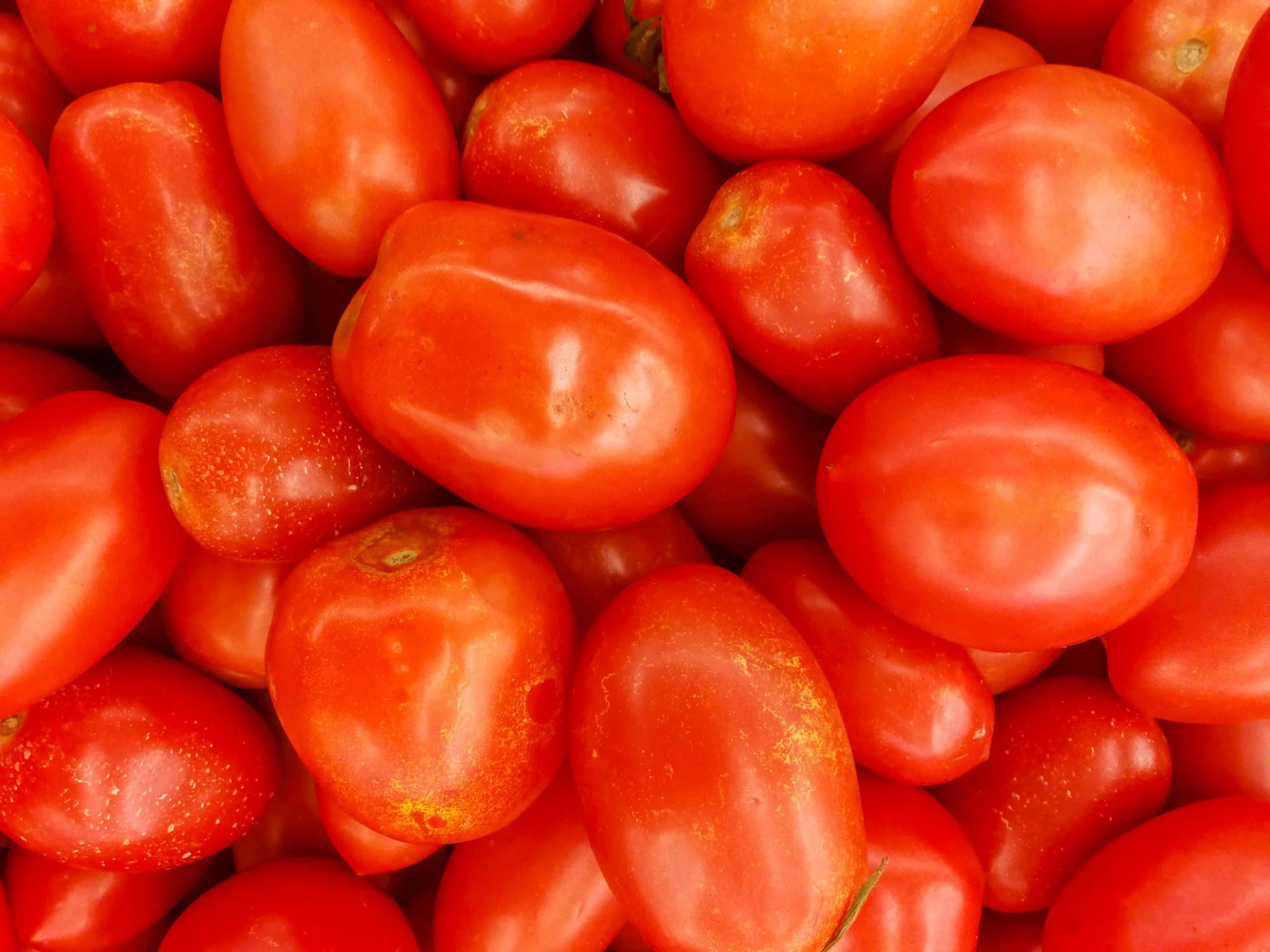
Photo: Javier Balseiro on Unsplash · Unsplash License
Swipe · Gut Health only
Swipe through Gut Health
Save time discovering your next favourite podcast by listening to just the best minute of an episode.
The gut health slate · every cover a link
All 62 gut health shows →


Listening guide
A listener's guide to Gut Health podcasts
The useful episodes get specific quickly. One is asking whether emulsifiers deserve suspicion; another is sorting stool colour from warning signs; a third is explaining why more fibre can make matters worse. That range matters because digestive listening can easily collapse into miracle-food chatter. The stronger shows slow the conversation down, name the symptom or claim, and give the listener a way to think through it.
The formats vary almost as much as the advice. There are clinical interviews, brisk dietitian debates, reassuring solo lessons and an old-school call-in show that takes its time. Together, they make room for listeners who want evidence, those trying to understand IBS, and people who simply need their next meal to feel less like an experiment.
When symptoms are running the day
IBS Nutrition Podcast by The IBS Dietitian is the most clinically procedural of the group. Its interviews move from a symptom story into medical rule-outs, tracking, elimination and reintroduction, with frequent reminders that guessing and excessive restriction can create new problems. Titles such as 22. What Your Poop Is Telling You About IBS - Types, Colors & Overflow Diarrhea Explained and 20. Why You're Still Constipated (Deep Dive on Constipation with Dr Carmen Fong) make the starting point refreshingly unambiguous.
The show also gives psychological and dietary questions their own room. 19. IBS & the Gut-Brain Connection with Dr. Ali Navidi Clinical Psychologist and 17. IBS & Probiotics: What Actually Works? A Deep Dive with Bailey Hanna, MS, RDN are good examples of its preference for one defined problem at a time. The voice stays warm, but it is willing to interrupt a comforting story with a caution or a process question.
The GutFit Nutrition Podcast takes a steadier solo-teacher approach. It explains terminology, connects it to daily symptoms, then moves toward a practical strategy without chasing punchy sound bites. 24: Understanding the Gastrocolic Reflex and Your IBS - Managing Urgency After Eating is unusually precise about the kind of problem a listener may be trying to solve, while 30: Is Underfuelling Wrecking Your Gut? Understanding RED-S and Low Energy Availability widens the frame to eating and training.
There is curiosity in its episode design, too. 31: IBS Symptoms Disappear When You Travel to Europe? Let's Unpack Why begins with an experience that sounds anecdotal and turns it into a question worth examining. For a listener who has felt dismissed or overwhelmed, that patient explanatory rhythm may be more useful than a rapid list of fixes.
Claims, tests and the fibre problem
The Ideal Nutrition Podcast sounds like dietitians reasoning together in the room. One voice lays out the evidence or mechanism; the other adds clinical context, pushes on a caveat or asks what the conclusion changes in practice. Are Emulsifiers Bad For Gut Health?, Is It Worth Testing Your Gut Microbiome? and Gut Health Nutrition: Myth vs Fact show how directly the program takes on popular claims.
Its real strength is comfort with an untidy answer. The show resists turning a generally useful recommendation into a universal commandment, a stance signalled by Fibremaxxing: Is There Such Thing As Too Much?. Expect qualifications and trade-offs, delivered conversationally rather than as a formal evidence review.
Sam Miller Science comes at a similar question from a coach-facing, methodical angle. The solo format gives explanations more room to build from physiology toward application, with research used to challenge oversimplified advice. S 914: Why More Fiber Isn't Always the Answer: Understanding Fiber Types, Gut Motility, and FODMAPs is the clear entry point.
The show also places the gut alongside other systems instead of treating digestion as an isolated machine. That wider tendency appears in S 919: The Five Drivers of Adult Acne: Insulin, Androgens, IGF-1, Gut, and Stress Hormones. The tone is more corrective than soothing, which suits listeners who want mechanisms and are willing to sit through the distinctions.

ZOE Science & Nutrition offers a more polished interview experience. Long, reflective questions give experts space to explain technical ideas, while the host repeatedly translates the conversation back into ordinary decisions. How to tell if your poo is normal and the 5 warning signs you shouldn't ignore | Dr Trisha Pasricha begins with an everyday concern and gives it a clear threshold for attention.
The program is equally comfortable following digestion into mood. Most replayed moment: Reduce anxiety by improving your gut health | Uma Naidoo makes that connection explicit without changing the show’s careful, evidence-checking manner. ZOE is a strong choice when you want science with enough signposting to follow while walking, cooking or commuting.
Plain talk, wider health

Real Health with Karl Henry has the texture of a calm service interview: practical questions, accessible follow-ups and a persistent return to what the listener can use. Colour, frequency and shape: How your poo should look is direct enough to be funny, but the show’s manner is measured rather than coy. It works well for listeners who prefer health guidance in everyday language and do not need every answer framed as a microbiome breakthrough.
The Model Health Show moves farther into broad wellness. Its host stages questions through personal stakes and then lets guests carry much of the explanation, translating technical vocabulary as the conversation develops. Why Chronic Disease Is Rooted in Inflammation & the Ancient Science That Can Help You Heal | Dr. Shivani Gupta is the relevant doorway for someone interested in how digestive concerns sit inside a larger inflammation narrative.
Health Naturally with Denis Stewart sounds different from both. Caller questions open into leisurely mini-lectures that mix plain talk, specialist language and traditional food-based advice, with a recurring reminder to involve a doctor or pharmacist where appropriate. Yoghurt and gut health - 24 February 2026 and More about yoghurt - 03 March 2026 form a natural pair. The show's homespun, ingredient-led character is apparent in Cabbage and Friends - 07 November 2025.
When the problem is one particular food

Saying Goodbye to Gluten / Gluten-Free Living, Celiac Disease, Gluten-Free Support belongs at the practical edge of this page. Its focus is the lived work of eating gluten-free: planning, confidence and avoiding exclusion, expressed in a brisk coaching voice. E102 Think `Gluten-Free' Means Safe? Here's What You're Missing and E68 Overcome the Fear of Eating Out Gluten-Free: Dine Out Safely with Confidence and Control are aimed at listeners whose digestive concerns have already become a daily food-safety routine.
For broader food questions, return to the Nutrition page. Functional & Holistic Nutrition moves toward whole-system and practitioner-led approaches, while Intuitive & Mindful Eating concentrates on the experience of eating and one’s relationship with food. Plant-Based & Vegan is organized around a dietary pattern; Weight Loss & Metabolic Health puts body weight, blood sugar and metabolism closer to the centre.
Where to start
Start with Gut Health Nutrition: Myth vs Fact from The Ideal Nutrition Podcast for a clear evidence-aware overview. Choose 22. What Your Poop Is Telling You About IBS - Types, Colors & Overflow Diarrhea Explained from IBS Nutrition Podcast by The IBS Dietitian when symptoms are the immediate concern. For a patient solo explanation, try The GutFit Nutrition Podcast’s 24: Understanding the Gastrocolic Reflex and Your IBS - Managing Urgency After Eating. If you prefer an expert interview with broad public-science framing, begin with ZOE Science & Nutrition and How to tell if your poo is normal and the 5 warning signs you shouldn't ignore | Dr Trisha Pasricha.
Featured shows below are part of the PlayNext catalog. Updated weekly.
Featured shows
5 shows, described rather than listed
A short write-up for each, plus the job it does in this guide.
Clinical, practical IBS episodes that treat symptoms as the starting point, not a side note.
Day-to-day IBS management for people who want symptom relief without abandoning an active lifestyle.
Measured, study-grounded conversations on fiber, antibiotics, and what the latest microbiome science actually shows.
Elimination diets, testing, SCFAs, and the functional-nutrition toolkit for when standard advice has already failed.
Interview-led coverage placing the microbiome beside sleep, weight, heart health, and mental health in one warm, accessible frame.
Where to start
5 routes in, one per reader
Start with *Is It SIBO or IBS? How to Tell the Difference and What to Do About It* — a direct clinical answer to the question that shapes every other gut-health decision.
Try *Understanding the Gastrocolic Reflex and Your IBS — Managing Urgency After Eating* — it names the mechanism behind a very common, very inconvenient symptom.
Start with *The 3 Best and Worst Things for Your Gut Microbiome - And How to Bounce Back After Antibiotics* — study-grounded and actionable without hype.
Try *The Secret Key to Healing Leaky Gut and Food Sensitivities* — the root-cause framing is direct and mechanism-rich.
Start with *How Your Microbiome Controls Your Mental Health & The Gut-Brain Paradox - With Dr. Steven Gundry* — places the microbiome inside the bigger body conversation without leaving the nutrition lane.
Glossary
Speak the language
The trillions of bacteria, fungi, and other microorganisms that live in the gut and influence digestion, immunity, mood, and metabolism.
A common functional gut disorder marked by abdominal pain, bloating, diarrhea, or constipation without an identifiable structural cause.
An excess of bacteria in the small intestine that causes bloating, gas, and diarrhea; often confused with IBS because the symptoms overlap.
A condition in which the gut lining becomes more permeable than normal, allowing substances to pass into the bloodstream and potentially triggering inflammation or immune responses.
Prebiotics are fibers that feed beneficial gut bacteria; probiotics are live bacteria taken to support gut health; postbiotics are the beneficial compounds those bacteria produce, including short-chain fatty acids (SCFAs).
The two-way communication network between the gut microbiome and the brain, linking digestive health to mood, cognition, and stress responses.