Topics / Overcoming Adversity
Overcoming Adversity Podcasts
809 shows and 68,758 episodes sit under Overcoming Adversity.
Adversity podcasts that stay specific: domestic violence survivors, incarceration, grief, immigrant resilience, PTSD, and the daily work of getting unstuck
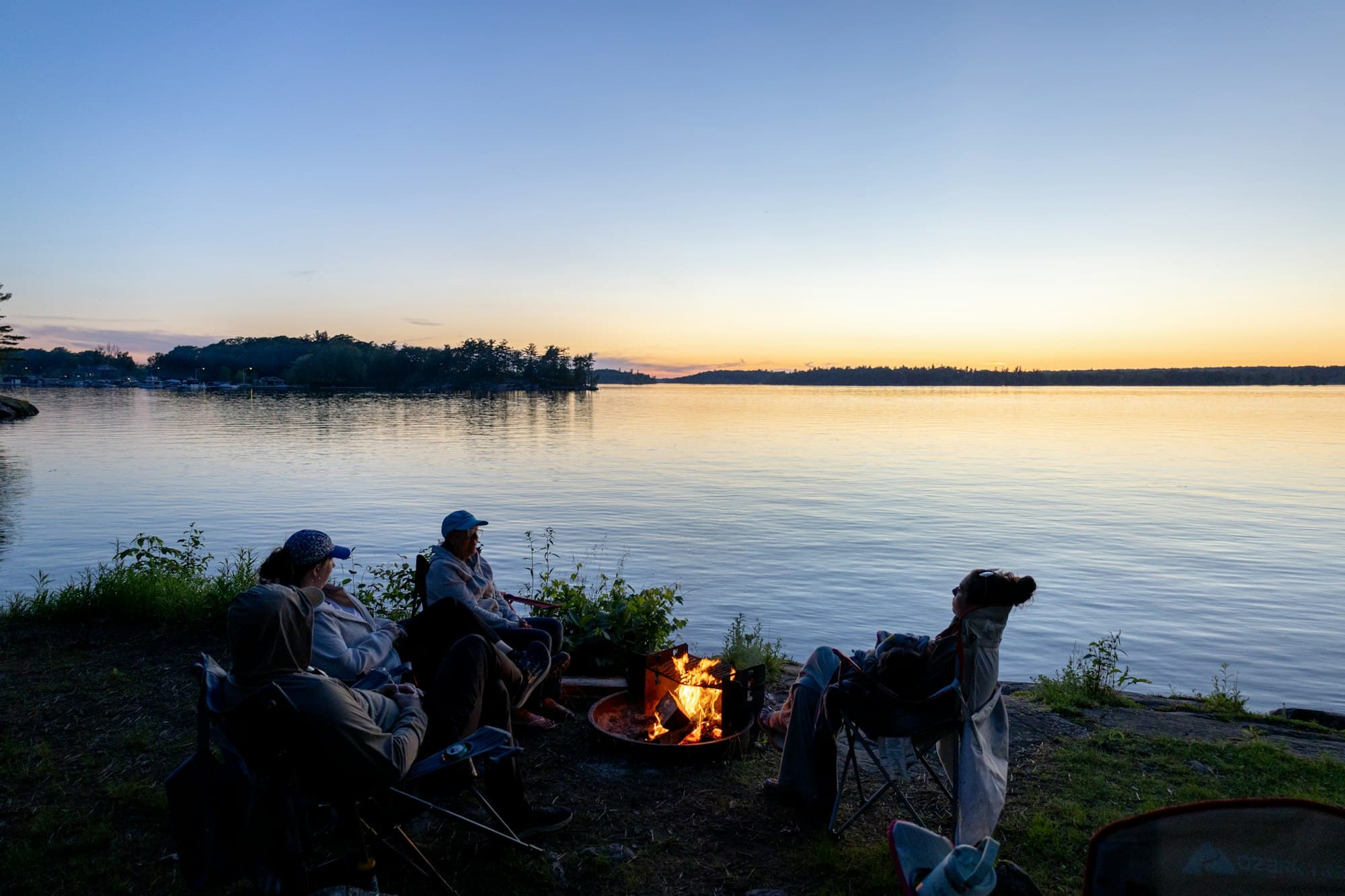
Photo: Mick Kirchman on Unsplash · Unsplash License
Swipe · Overcoming Adversity only
Swipe through Overcoming Adversity
Save time discovering your next favourite podcast by listening to just the best minute of an episode.
The overcoming adversity slate · every cover a link
All 809 overcoming adversity shows →



Next to this on the shelf
Explore by subtopic
Before you press play
A listener's guide to Overcoming Adversity podcasts
A person tells the story; a host leaves enough room for the difficult part to remain difficult. That is where these conversations earn their place. The strongest episodes resist the rush toward a triumphant ending and listen for the slower changes underneath: responsibility accepted, identity rebuilt, purpose recovered, or simply the next workable decision.
Some shows approach that moment with blunt questions and a lot of momentum. Others let testimony wander until its meaning becomes clear. Across both styles, adversity sounds less like a slogan than a sequence of choices made under pressure.
When the body changes the terms
Powerline Podcast brings hardship into the physical world of trades, crews, and dangerous work. Its relaxed, shop-floor interview style lets practical detail carry the emotional weight. The clearest entry point is How He Became A Lineman After Losing His Leg | Brandon Crawford | 207, where the title alone places loss beside a demanding working identity and the show’s field-literate voice keeps the conversation grounded.

The Hard Way With Joe De Sena applies more pressure. Questions come quickly, pain becomes a training metaphor, and guests are pushed toward ownership rather than abstraction. In Discipline After Amputation: Green Beret Nick Lavery on Ownership and Performance, that method is directly on the table; the show’s appetite for hard reframes is right there in the title of Why Pain Is a Privilege: Lessons from a Wounded Warrior. Anyone who wants recovery discussed in the language of effort and capacity will find the sharper choice here.

Team Never Quit has a similarly rugged edge, though its rhythm is looser and more communal. The hosts build rapport through interruption, memory, and quick affirmation before pulling a lesson from the story. Kegan "SMURF" Gill: The Fighter Pilot Who Survived The Fastest Ejection In History, Surviving The Sound Barrier & PTSD (Rebroadcast) carries unusually high stakes, while John Dustin Ledford: A Brother's Story Of Unimaginable Loss After The Devastating Kerrville Flood turns toward a more intimate form of endurance. The shared thread is testimony shaped in conversation, with seriousness allowed to coexist with familiar banter.
Recovery without the clean ending
You Can Overcome Anything! Podcast Show takes its time guiding listeners through transformation, and some will want exactly that patience. The host validates, paraphrases, and gently returns each story to healing and forward movement. Its range is unusually explicit: You Can Overcome Anything: Ep 342 - Overcoming a Serious Car Accident - Robert Gilpatrick, You Can Overcome Anything: Ep 340 - Overcoming Addiction and Accountability -Jonathan Schwartz, and You Can Overcome Anything: Ep 331 - Overcoming Childhood Trauma - Dr. Renee Rodriguez each name a different starting point. The pace gives those stories room to unfold before the takeaway arrives.

Remarkable People Podcast prefers the long arc from hardship to meaning. Its interviews reach back toward origin stories and often interpret suffering through faith, family, work, or service. One Last Hit: Austin Rampt on Addiction Recovery, Faith & Redemption sits naturally beside Stage 4 Cancer to Still Standing: The Steve Olsen Story of Hope, Mindset & Action. Then When Life Happens: The Comeback After the Setback | Cherita O'dell on the Remarkable People Podcast makes the show’s central interest plain: what happens after life breaks the expected sequence.

What If It Did Work? brings more friction. The conversation is fast, blunt, and willing to turn an anecdote into a challenge before the listener has settled comfortably into it. How A 3% Survival Chance Became A Purpose-Driven Life gives that urgency a life-or-death frame, while Break Trauma Patterns With Nervous System Regulation points toward a more practical mode of change. For listeners allergic to hushed inspiration, its argumentative energy may be the better fit.
The quieter work after crisis

The One You Feed | Personal Growth, Emotional Resilience & Purpose is measured enough to stay with ambiguity. It tends to validate an idea, press it one layer deeper, and then ask what it changes in ordinary life. When Your Health Feels Like a Rollercoaster: Finding Stability in the Chaos of Chronic Illness | Amy Kurtz is an apt example of the show’s preference for stability over dramatic breakthrough. Choosing Love After a Lifetime of Hurt | Matthew Quick and The Tyranny of Self-Care: When Meditation Apps and Yoga Can't Fix Burnout | Pooja Lakshmin widen the frame to relationships and exhaustion without losing that reflective discipline.
The Be Ruthless Show is less tidy. Long, emotionally open conversations allow repetition and self-correction to remain audible, which suits stories that have not resolved into a neat lesson. The Calls You Don't See: Trauma On The Frontline and When Life Forces The Pivot (And Your Body Demands It!) both place strain in the foreground. Change Your Environment , Change Everything then turns attention toward the conditions surrounding recovery, a useful counterweight to shows that treat resilience mainly as individual will.
Roaming with Restless Women has the warmth of a kitchen-table conversation. Its questions grow from recognition rather than distance, and practical insight often emerges after a guest has had time to circle through memory. Build Lasting Resilience Amid Life's Constant Storms is the direct route in; Why Trauma-Informed Coaching Is the Best Gift You Can Give Yourself suggests a gentler, more explicitly supportive approach. The show suits listeners who want encouragement without being hurried.
Voice, identity, and starting again
Breaking the Silence Podcast moves through adversity with emotional momentum. It reacts, affirms, digresses, and lets personal testimony become the structure. She Turned Pain Into Powerful R&B | Iesha Vibez Opens Up connects hurt with creative expression, while Caleigh Rose: The UNBECOMING Journey | Healing Through Music & Self-Discovery places change inside a longer process of identity. You're Allowed to Start Over | It's Never Too Late to Rewrite Your Story is the most direct invitation for anyone standing at the beginning again.
Kevin Polky - The Journey offers a quieter alternative. The interviews are patient and meaning-oriented, with long guest turns followed by soft recaps that keep the thread visible. Ep. #339 - From Poverty to Self-Awareness: SaVana McIntyre's Hero's Journey gives the show a full personal arc to explore, while Ep. #343 - Reflection: What I can Control narrows the question to a manageable scale. That movement—from a life story to one usable point—is where the show is most comfortable.
Listeners who want broader personal biography can move up to Personal Stories. Grief & Loss stays closer to bereavement and its aftermath, while Life Stories & Narratives makes room for lives whose interest exceeds any single struggle. Stay here for the pressure point itself: what people do, understand, or become when their expected path gives way.
Where to start
Choose Powerline Podcast and How He Became A Lineman After Losing His Leg | Brandon Crawford | 207 for a concrete story rooted in work and physical reality. A steadier, more reflective conversation comes from The One You Feed | Personal Growth, Emotional Resilience & Purpose, with When Your Health Feels Like a Rollercoaster: Finding Stability in the Chaos of Chronic Illness | Amy Kurtz as the way in. For direct recovery testimony, begin with You Can Overcome Anything! Podcast Show and You Can Overcome Anything: Ep 340 - Overcoming Addiction and Accountability -Jonathan Schwartz. If you need more heat, What If It Did Work? and How A 3% Survival Chance Became A Purpose-Driven Life offer the forceful route.
Featured shows below are part of the PlayNext catalog. Updated weekly.
Featured shows
5 shows, described rather than listed
Each has a short write-up and a note on what it does best here.
Resilience shelf grounded in daily practice: mindset, stoicism, sudden change, and the ongoing work of responding to pressure.
Survivor-centered coverage of domestic violence — coercive control, faith, male victims, and life after abuse.
Bridges grief and resilience: murder-suicide loss, stigmatized mourning, and tools for bouncing forward after loss.
Identity, immigrant resilience, purpose, and getting unstuck — plainly titled episodes make the fit clear before you press play.
Incarceration, family disruption, exploitation, and reentry — adversity tied to institutions and systemic harm.
Where to start
4 routes in, one per reader
Clear titles, practical framing, and a shelf of resilience episodes that cover mindset, community, and responding to life's pressure.
Covers adversity through the lens of purpose, self-compassion, and immigrant experience — grounded and direct.
Survivor-centered coverage that slows down for the harder material — domestic violence, trauma, and healing.
Stories of reentry, addiction recovery, childhood disruption, and exploitation — adversity at a systemic level.
Glossary
Jargon you'll hear on Overcoming Adversity podcasts
A pattern of behavior in abusive relationships that uses fear, isolation, and surveillance to dominate a partner — often without visible physical violence.
Positive psychological change that some people experience following a struggle with highly challenging life events — not the same as resilience, which is the ability to withstand adversity.
An approach to support and service delivery that recognizes the widespread impact of trauma and integrates that knowledge into practice — avoiding re-traumatization.
The process of returning to community life after incarceration — covering housing, employment, family, and identity challenges.
The capacity to recover from difficulty — not the absence of suffering, but the process of adapting and continuing in spite of it.
An approach to storytelling and advocacy that centers the experience, agency, and voice of the person who experienced harm rather than the harm itself.