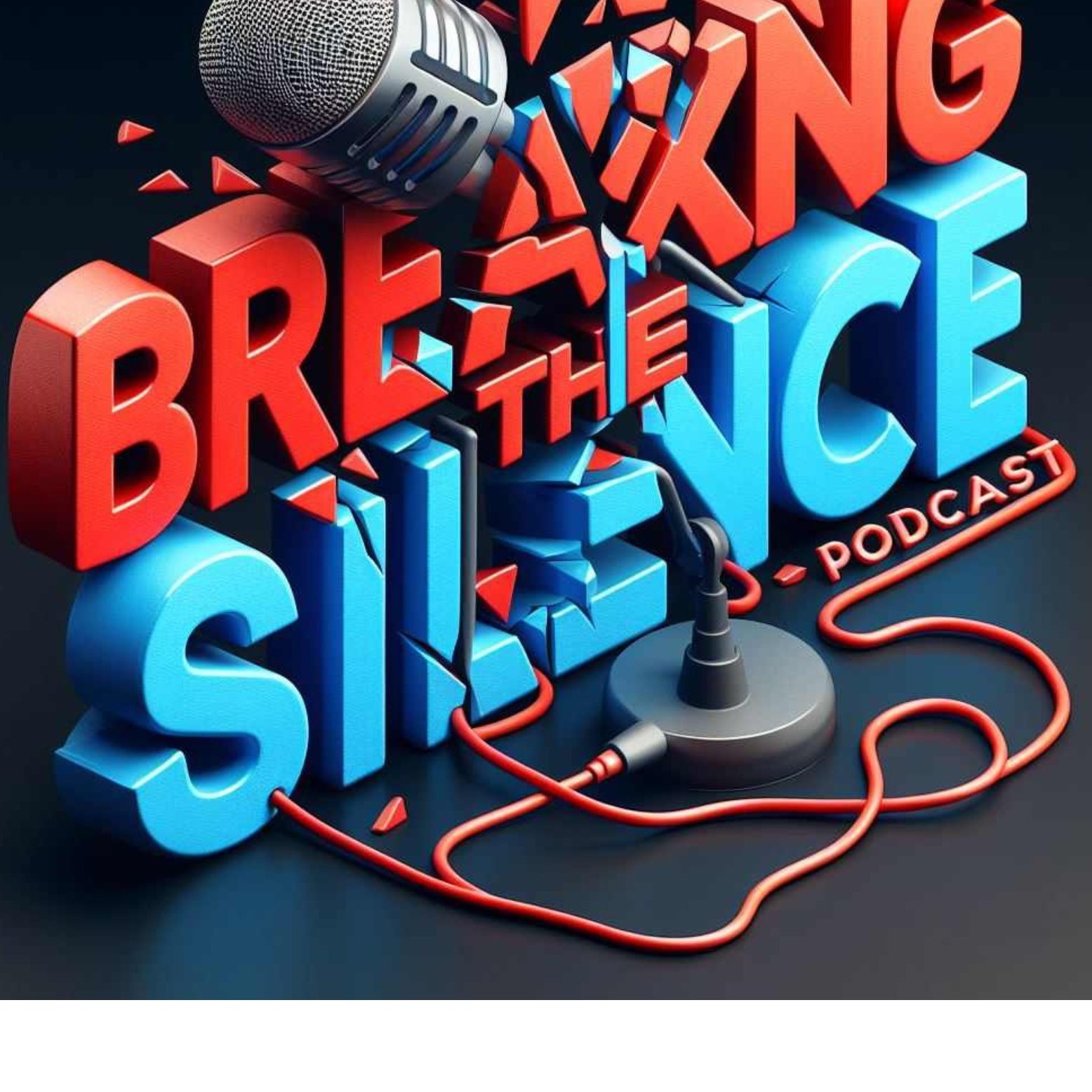
Breaking the Silence Podcast is built around voices that are still pushing, still healing, and still trying to be heard. Its center of gravity is encouragement, but the show does not stay in one lane. One episode may review five tracks from Kese2x, listening for beat, message, vibe, and motivation. Another may spotlight ten artists in a music promo showcase, giving performers a few minutes of attention and asking the audience to react in real time. The music coverage is personal. Songs are treated less like products and more like evidence of what an artist has survived, believed, or learned. That gives the reviews a warm, conversational feel, even when the lyrics themselves come from harder places. Interviews stretch the format further. Tatiana “Goalz” Colorado talks through content, influence, flexibility, equipment, and the real effort behind turning online work into currency. Saint's episode brings faith and patience into a larger conversation about music, timing, streaming, family, and staying grounded when the industry keeps changing. The show also makes room for mental health, with Nic Burnette appearing in an episode about why people suffer in silence. Tiffany Brown's episode points toward faith, family, and leadership, keeping the same interest in how people carry responsibility while staying rooted. The host's style, as captured in the excerpts, is direct and affirming. Questions tend to start plainly: what inspired the work, what makes the path difficult, what keeps someone going. Answers are allowed to run. That gives the show a lived-in texture, where digressions can become testimonies and reactions can turn into broader lessons about resilience. Breaking the Silence Podcast will appeal most to listeners who like music culture, creator stories, faith-leaning motivation, and conversations that value emotional honesty over tight editing. It is especially strong when a guest's craft becomes a doorway into mindset, healing, and purpose. The show can also feel uneven because some excerpts include ads, music playback, and transcript artifacts. Still, its clearest identity is consistent: people come to the platform with something to say, and the conversation pushes them toward being heard.