
Topics / Baby & Child Sleep
Baby & Child Sleep Podcasts
5 shows and 962 episodes sit under Baby & Child Sleep.
Find the right podcast for every baby and child sleep problem: newborn wake windows, nap transitions, sleep training choices, toddler bedtime battles, and safe sleep
Photo: Jelly Marketing on Unsplash · Unsplash License
Swipe · Baby & Child Sleep only
Swipe through Baby & Child Sleep
Save time discovering your next favourite podcast by listening to just the best minute of an episode.
The baby & child sleep slate · every cover a link
All 5 baby & child sleep shows →





Listening guide
A listener's guide to Baby & Child Sleep podcasts
Bedtime trouble has a way of changing shape. One week the question is when lights should go out; the next it is whether a disappearing nap has unsettled the whole day. The most useful listening here stays close to those concrete decisions.
Building a workable bedtime
How Long 'Til Bedtime? | Sleep and Parenting Podcast offers the broadest route through everyday sleep questions. Start with 235. What Time Should My Child Go to Bed? How to Find Their Ideal Bedtime when the schedule itself feels uncertain, then try 207. The #1 Mistake Parents Make with Toddler Bedtime Routines (And What to Do Instead) for the routine around it.
The show also tackles choices that can become oddly loaded after dark. 208. Pacifiers and Sleep Training: Do You Really Have to Give Them Up? puts pacifiers alongside sleep training, while 206. Sleep Training Without Cry It Out: Is It Really Possible? addresses a concern many parents have before trying any structured approach. Its willingness to question familiar advice is clearest in 205. Baby Sleep Myths: Why Wake Windows Aren't Evidence-Based (and What to Do Instead).
Changes in place and schedule get their own attention. 213. Holiday Travel Sleep Survival Guide: How to Help Your Baby, Toddler, or Big Kid Sleep Away From Home is the obvious travel pick, and 209. Daycare Sleep: Why Your Child Sleeps Better (or Worse) There turns to the gap between sleep at home and sleep in care. For seasonal disruption, there is 210. Fall Time Change Sleep Tips for Babies, Toddlers & Kids.
When naps become the problem
Sleep Cues: The Everything Parenting Podcast is especially useful when daytime sleep is the moving part. The Q&A framing keeps the questions recognizable: Q&A: Contact Naps, Lengthening Naps and Daycare Naps gathers several common nap concerns into one episode, while Q&A: Starting School And Just Dropped A Nap, Baby Reflux, Pregnant And Wondering Will My New Baby Wake Up Crying And Wake My Toddler & More! takes on the messy overlap between sleep changes and family transitions.
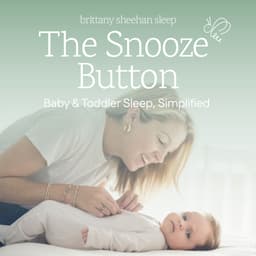
For a narrower reset, The Snooze Button: Baby & Toddler Sleep, Simplified has a pointed place to begin: Why Your Baby Still Doesn't Have Good Naps, Even Though You "Tried Everything". That title meets exhausted parents exactly where they are—past the first round of tips and looking for a better way to frame the problem.
Moving outward from sleep
The broader Parenting section is the place to step back when sleep is only one piece of what is happening at home. Move across to Toddlers & Early Childhood when bedtime friction sits alongside potty training, separation anxiety, or other stage-specific changes. Gentle & Positive Parenting is the better neighboring route when your main concern is how to respond, set limits, and communicate throughout the day rather than how to arrange sleep itself.
Where to start
For bedtime timing, begin with 235. What Time Should My Child Go to Bed? How to Find Their Ideal Bedtime. If naps are breaking down, choose Q&A: Contact Naps, Lengthening Naps and Daycare Naps or Why Your Baby Still Doesn't Have Good Naps, Even Though You "Tried Everything". Parents wary of conventional sleep-training advice should start with 206. Sleep Training Without Cry It Out: Is It Really Possible?.
Featured shows below are part of the PlayNext catalog. Updated weekly.
Featured shows
5 shows, described rather than listed
Each has a short write-up and a note on what it does best here.
Practical nap and night-waking help from newborn through toddler, answered episode by episode.
Covers bedtime timing, nap transitions, daycare sleep, and sleep-training choices across ages.
Focused baby and toddler sleep fixes: nap transitions, safe sleep, and common stall tactics.
Built for the toddler-bed stage: nap drops, bedtime resistance, and calm-down strategies.
Cuts bedtime battles down to size with direct advice on stalling, protests, and fear.
Where to start
5 routes in, one per reader
Episode 188 addresses day/night confusion directly; the broader feed covers newborn rhythm and nap transitions.
Multiple episodes target bedtime stalling, protests, and fears specifically in toddlers.
Covers gentle sleep training, cry-it-out debate, and nap-transition mechanics without pushing one doctrine.
A pediatrician host grounds sleep advice in child health and development, including sibling room-sharing.
Addresses spousal bedtime disagreements and stalling kids with a frank, humor-grounded perspective.
Glossary
Jargon you'll hear on Baby & Child Sleep podcasts
The stretch of awake time a baby can comfortably handle before needing to sleep again; matching nap timing to wake windows reduces overtiredness.
The developmental shift from more naps to fewer, such as three naps to two or two naps to one; timing matters because moving too early can backfire.
Teaching a baby or toddler to fall asleep independently; methods range from graduated extinction (cry it out) to gentler fading approaches.
A toddler behavior pattern of requesting water, extra hugs, or one more story to delay lights-out; distinct from genuine sleep fear.
Evidence-based practices to reduce the risk of sudden unexpected infant death, including back-sleeping, firm mattress, and no loose bedding.
A newborn pattern of sleeping more during the day than at night, often resolving in the first four to six weeks with light and routine cues.