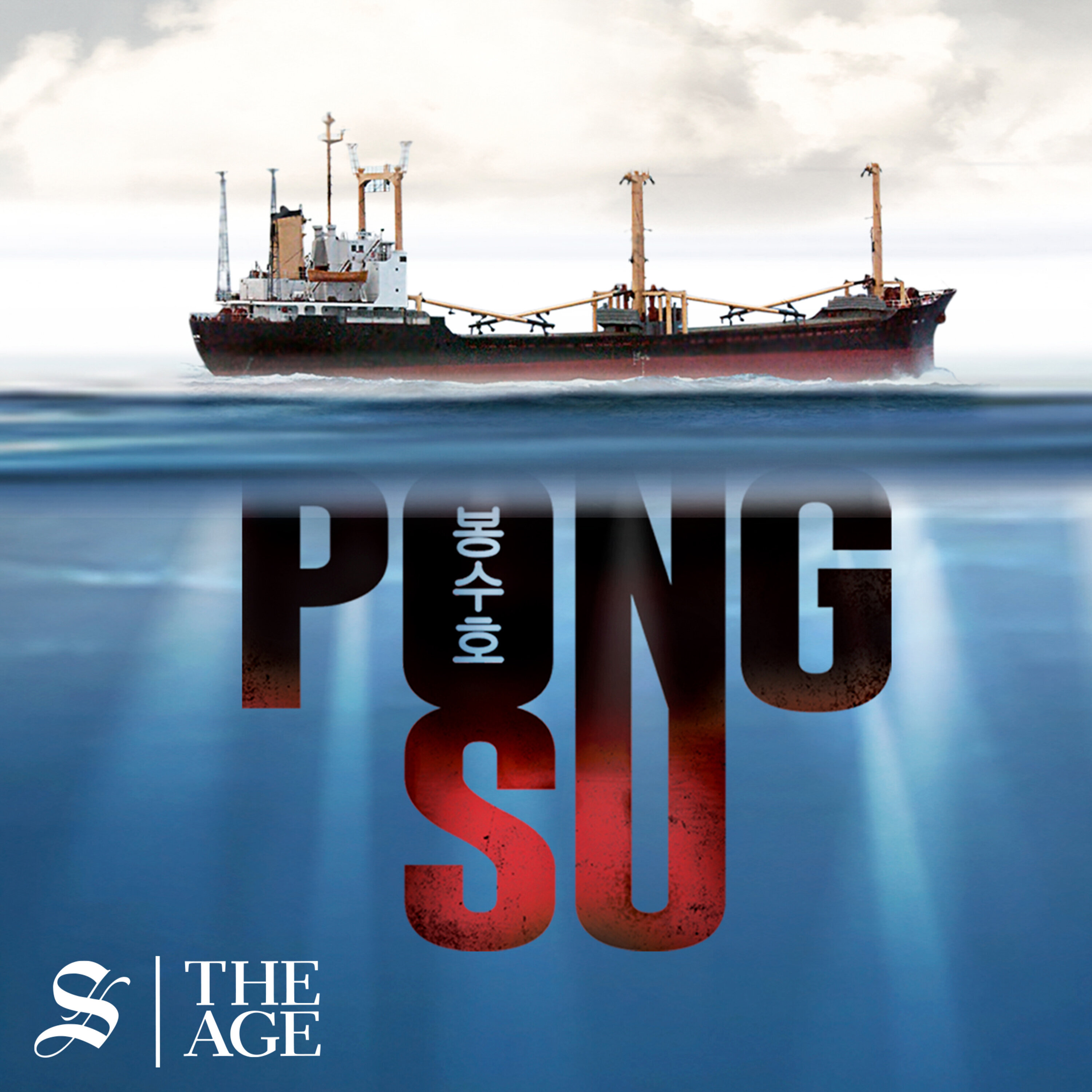
The Last Voyage of the Pong Su is a true-crime documentary about a heroin shipment, a North Korean freighter, and the Australian operation that brought the ship under control. It begins with questions rather than certainty. A human source alerts the Australian Federal Police to the MV Pong Su, placing himself in danger while pointing investigators toward a larger international syndicate. From there, the story moves across Bangkok, Melbourne, Victoria’s coast, and the ship itself. The scale is large. The telling stays close to details that can be checked, heard, or remembered. Police task a source, Thai authorities conduct surveillance, suspects arrive under false identities, and officers watch a Tarago van outside a real estate agency in Lorne. The show is especially strong on procedure. It explains how intelligence becomes action, how a boarding plan is rehearsed, and how military teams think through risks that may never happen but still have to be planned for. Weather is not background noise. Bass Strait, Southern Ocean swell, ship movement, and the possibility of explosives all become part of the case’s pressure. The series also keeps returning to the physical Pong Su: an ageing vessel with extra fuel tanks, a false bulkhead, Morse code communications, dark corridors, and signs of a special voyage. North Korea is treated as a real political and institutional presence, not just an exotic label. The crew’s denials, embassy encounters, and interrogation material add a cold diplomatic layer to the criminal investigation. Interviews with police, Navy, and military figures give the series much of its authority. Some episodes broaden into subscriber-style extras, where a single operational participant explains what it felt like to board, steer, or plan around the ship. The style is grave but plainspoken. It does not need melodrama. Its suspense comes from uncertainty, distance, weather, translation, surveillance, and the fact that several people in the story appear to know more than they say. The show suits patient true-crime listeners who want the machinery of an investigation, not just the headline. It also has appeal for anyone drawn to maritime incidents, intelligence work, and the strange overlap between criminal enterprise and state power. The strongest episodes make logistics feel consequential. A beach, a bridge, a phone call, and a ship’s altered fuel range all carry weight. By the end, the Pong Su case feels less like a single bust than a collision between policing, diplomacy, seamanship, and fear.