The Last Voyage of the Pong Su · The Age and Sydney Morning Herald

Master Sun's big gamble

October 14, 2019·37 min·2 clips
Crew members on North Korean cargo ships earned up to US$500 a month and saw the world — a life almost unimaginable to people back home.
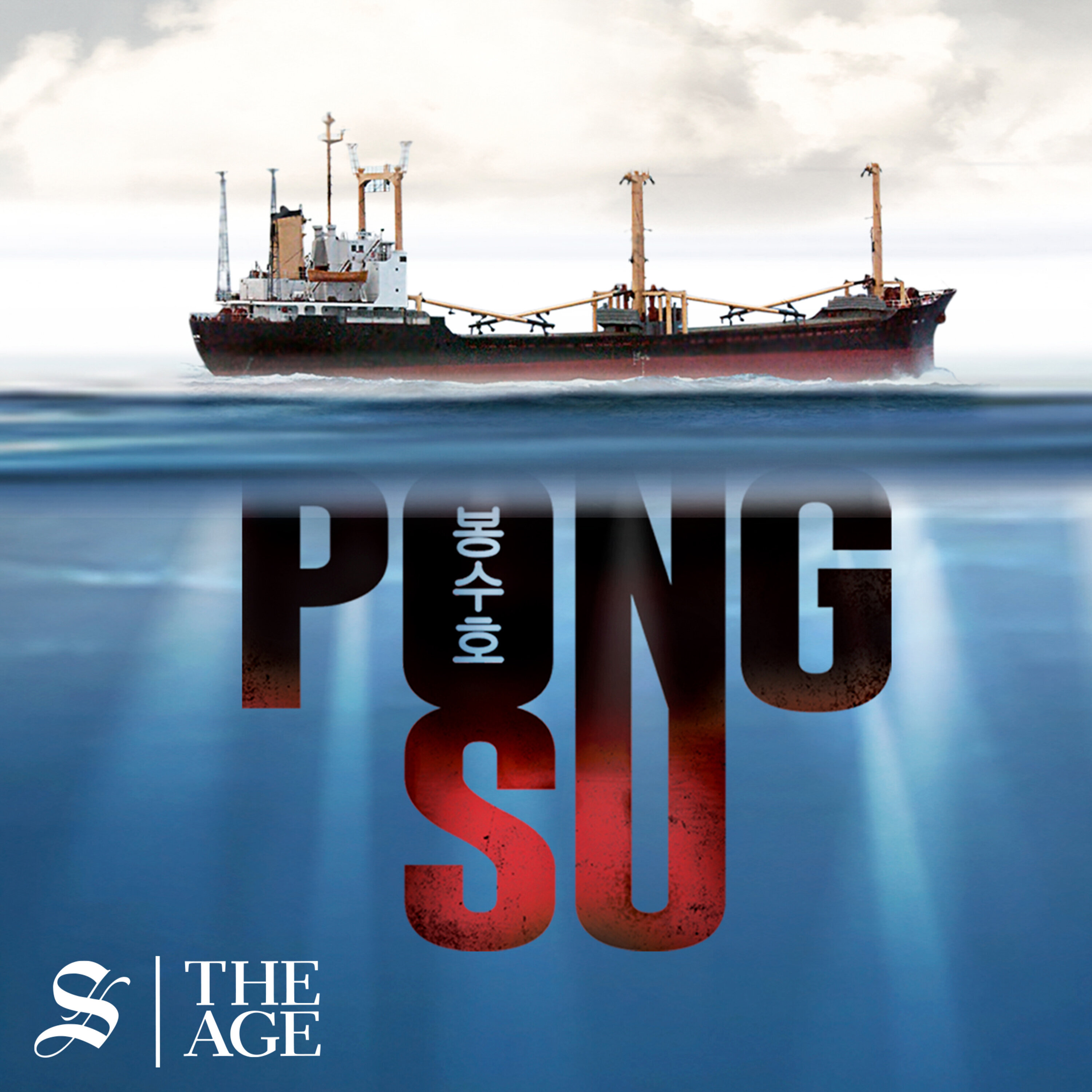
Pyongyang wakes under a song. The episode first puts the crew inside a North Korean morning, with a synth pop track said to be written by Kim Jong-il playing across the capital as people head to work. That sound gives the voyage a state-sized backdrop before the ship enters the story. Then the Pongsu herself takes over. Built in Japan in 1980, she measured 106 metres and carried the limits of an older working ship. Her communications were thin: Morse code, shortwave radio, and an Inmarsat fax machine. The company story never quite settles. North Korean directors describe the Pongsu shipping company of Pyongyang as privately owned, but the episode leaves that claim hanging. The ship was its flagship. The company had five other ships, yet the question keeps coming back to why this one had been readied for such a long run. Australia was beyond her normal range, so extra fuel tanks had been fitted. Other choices are harder to shrug off. Captain Millwood points to a false bulkhead in the lower accommodation deck and an inflatable boat on a ship with no ordinary use for one. None of that, alone, explains the whole voyage. Together, it changes the feel of the ship. Fresh paint could hide some age, but not the cramped cabins, iron stairs, dark corridors, or sense of a vessel being pushed past comfort. The suspicion comes through the practical stuff: fuel, space, reach, concealment. The episode does not shout its case. It lets the ship do most of the talking.

As heard by us

A maritime story that turns shipping detail into quiet political suspense.

The episode makes the Pongsu feel like more than a ship. It starts in Pyongyang, moves into North Korea's history, then keeps circling back to the vessel's odd physical details: extra fuel tanks, a false bulkhead, and an inflatable boat.

Read the full review in PlayNext →

Why you'd press play

You want a slow-burn North Korea story told through one ship with clearly unusual modifications.

Read the full recommendation in PlayNext →
Listen to the show on