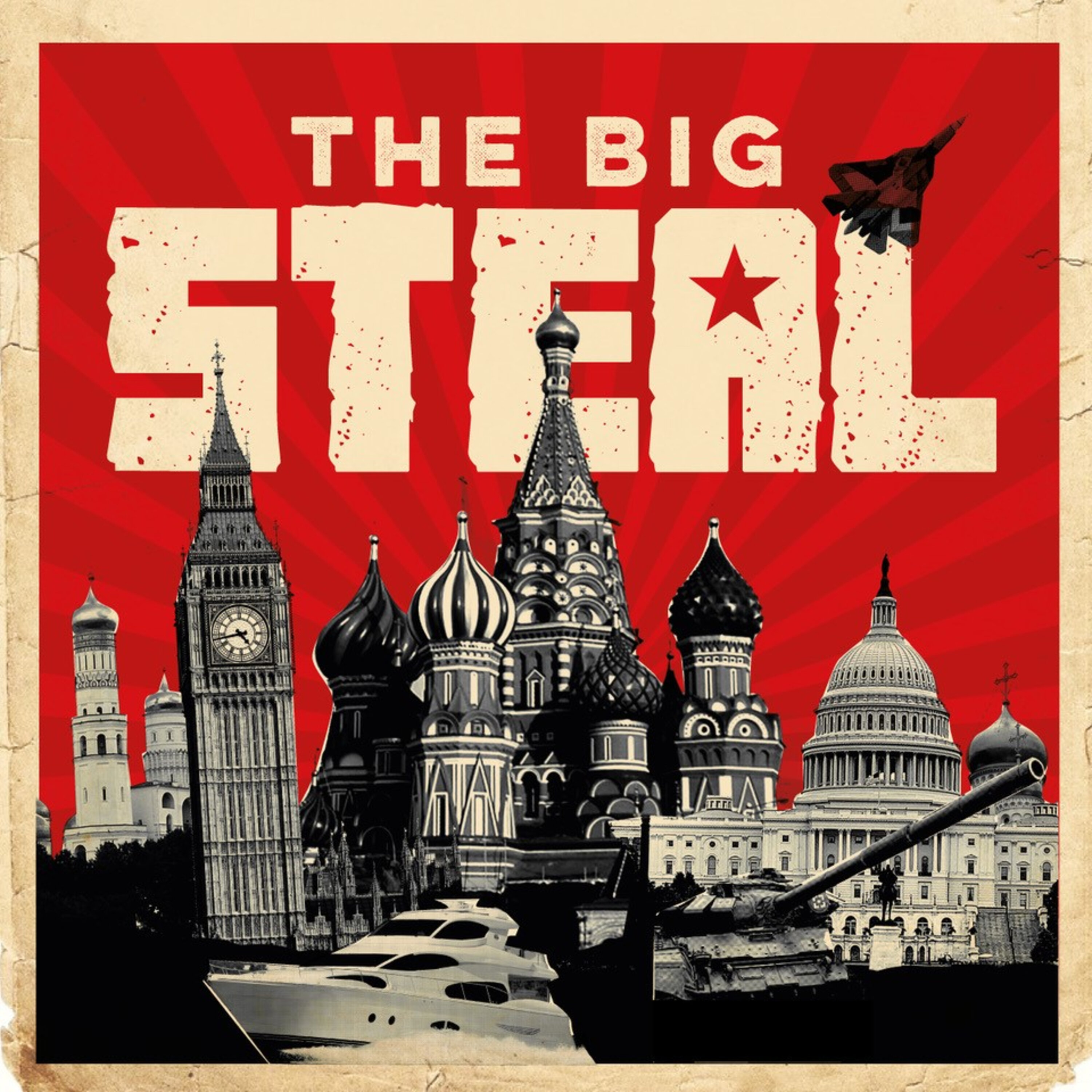
The Big Steal is a documentary account of modern Russian power, built around the question of how a country moved from post-Soviet uncertainty into a political order ruled by loyalty, fear, and private gain. It is grave work. The series follows the fall of communism, the rushed creation of new businesses from Soviet ministries, and the narrow class of people who understood what privatization was really doing as it happened. From there, it turns toward Yukos. The oil company becomes the show’s central case study, not because it is only a business story, but because it shows how courts, television, police, corporate control, and political warning can be made to operate together. Mikhail Khodorkovsky is treated as both a participant in Russia’s new capitalism and a symbol of what happened when that capitalism collided with Putin’s state. The cage matters. The public image of a rich and powerful man behind bars becomes, in the show’s telling, a message to everyone else with money or influence. Gavin Esler’s interviews are direct, patient, and skeptical. He asks for causes, consequences, and moral meaning rather than easy outrage. Bill Browder’s account brings in corporate identity theft, corrupt officials, and organized criminals. Khodorkovsky’s account brings in corruption as administration, where loyalty protects officials until it does not. Episodes on Ukraine widen the frame. Shelling, small armed groups, Russian state television, relatives in Kharkiv and Kyiv, and arrests in Moscow make the geopolitical argument immediate and human. NATO, energy dependence, Western weakness, and Russian grievance are treated as linked pressures rather than background noise. The show is strongest when it moves from a large claim to a specific mechanism. A court case explains fear. A missing section of video explains power. A bribe allegation explains how personal profit and state policy can blur. Its tone is measured but never neutral about authoritarian coercion. It gives listeners a clear path through difficult material without flattening the difficulty. The Big Steal suits anyone looking for political history that stays close to evidence, testimony, and the machinery of power.