A measured primer on direct indexing that keeps friction and drift in view.
Roger Whitney starts by stressing the value of knowing what season someone is in, then uses a client question to move into a brisk explanation of direct indexing.
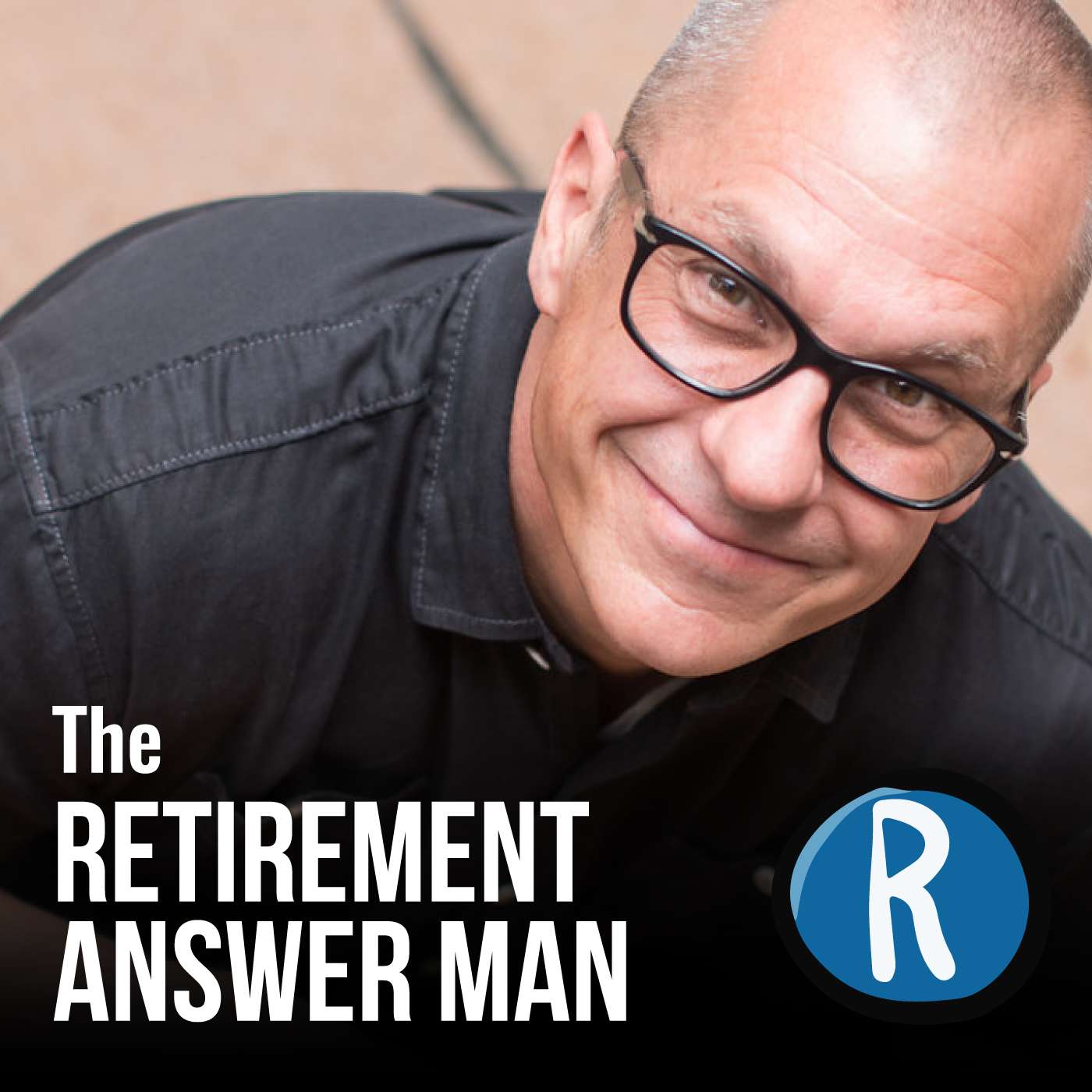
Roger Whitney, CFP®, CIMA®, RMA, CPWA®
52 episodes listed below
PRESS PLAY
A top retirement podcast. Roger Whitney, CFP®, CIMA®, CPWA®, RMA, guides you on how to actually do retirement well financially and personally. This retirement podcast isn't afraid to talk about the softer side of retirement. It will teach you how to retire with confidence. Two-time PLUTUS winner for best retirement podcast / blog and the 2019 winner for best financial planner blog. This retirement podcast covers how to create a paycheck, medicare, healthcare, Social Security, tax management in retirement as well as retirement travel and other non-financial issues you'll need to address to rock retirement. Retirement isn’t an age OR a finan...
Based on 6 episodes we listened to · September 2026
Roger Whitney makes retirement decisions easier to examine by connecting financial plans with healthcare, caregiving, personal goals and the need for repeated verification.
Retirement Answer Man treats retirement planning as a set of decisions that must hold up in real life. Roger Whitney moves between direct instruction, guest conversations and audience questions, connecting portfolio choices with healthcare, elder care and the practical work of…
Roger Whitney makes your retirement spreadsheet show its work before you let it set your exit date.
Press play if you want
Short reviews from the PlayNext desk, based on the episodes we processed.
A measured primer on direct indexing that keeps friction and drift in view.
Roger Whitney starts by stressing the value of knowing what season someone is in, then uses a client question to move into a brisk explanation of direct indexing.
A practical Medicare reset that centers on 2025 changes, Medicare Advantage, and careful coverage review.
The episode treats Medicare as a moving target, and the 2025 changes give it a timely edge. It spends most of its time on Medicare Advantage, carrier behavior, teaser pricing, and plan design, but it keeps those topics tied to the decisions people actually face.
Retirement planning gets real when care needs, money, and family coordination all collide.
A replay episode on retirement planning lands on a simple but uncomfortable point: long-term care is not only a money problem. Christine Benz and the host keep circling back to the coordination side of it, and that is where the conversation feels most grounded.
A practical audit of retirement math before making a hard-to-reverse decision.
Roger treats retirement planning as something to verify, not simply admire. The piece opens with a familiar situation: a planner or DIY spreadsheet has already tallied goals, assets, and feasibility, and the real task is deciding whether the result deserves trust.
A steady retirement frame that favors clarity over complexity.
Roger Whitney keeps retirement planning plainspoken: start with a vision, turn it into goals, line up the money, and build a plan sturdy enough to support the life you want.
Retirement advice here focuses on building energy now so there is something left later.
The episode treats retirement planning as an energy problem, not a market puzzle. It starts with the noise around the market, then settles into the harder question of how to have enough energy left to show up well in retirement. That shift works.
A calm Social Security reset that keeps the focus on process, not panic.
Retirement Answer Man treats Social Security anxiety as something to plan around, not something to inflate. The episode keeps coming back to a plain idea: control matters more than panic, and Congress has often waited until the last minute even while the system still rests on a…
A practical way to judge whether a retirement coach fits the problem in front of you.
Choosing a retirement coach is framed as a practical match, not a fancy credential hunt. The advice is to look for a coach who specializes in the retirement issue at hand, read the bios closely, and make sure the focus lines up with the work that needs doing.


Paul Haavardsrud unpacks Canadian money stories, from ski-hill VIP pricing to French butter tariffs.


Real-estate freedom, taught in plain numbers.

Roger Whitney interviews behavioral expert Daniel Crosby on the psychological barriers to spending in retirement, exploring why successful savers struggle to 'decumulate.' They discuss research on couple conflicts, loss of agency after work, and practical strategies like visualization and small experiments to overcome frugality and create a fulfilling retirement.
This episode explores healthcare options for people under 65, focusing on observing available choices without assumptions as part of a month-long series on navigating healthcare before Medicare.
This episode introduces a retirement planning case study featuring Henry and Lucy, who aim to retire in their 40s, with upcoming segments to analyze their goals, resources, and feasibility through a live event.
This episode focuses on year-end retirement planning, covering estimated tax payments due January 15th for Q4 2025, retiring outdated words in retirement, and sharing words for 2026.
This episode features an interview with retirement expert Wade Pfau discussing various retirement planning topics including annuities, RESA assessments, reverse mortgages, and tax optimization.
This episode explores how to navigate retirement goals as life unfolds, connecting it to the concept of opportunity cost and including a discussion on whether eating organic food is worth it.
This episode features a conversation with Carl Richards about achieving elegant simplicity in retirement planning and decision-making, with insights from club members.
This episode focuses on the non-financial aspects of retirement, specifically relationships, featuring Dr.
This episode focuses on controlling healthcare costs before Medicare, particularly through the Affordable Care Act and basic strategies, as part of a retirement planning series.
This episode discusses resisting the urge to believe 'this time is different' in financial markets while covering structured notes basics and previewing upcoming retirement-focused content.
This episode explores the challenges of early retirement by sharing wisdom from already-retired individuals to help a couple planning to retire in their 40s.
This episode discusses retirement planning, including Social Security cost of living adjustments and an interview with Cesar Aguirre about transitioning from corporate executive to a fulfilling retirement.
This episode introduces a four-week series on retirement goal setting, focusing on the paradox of knowing what you want and how to align financial planning with creating a fulfilling life in retirement.
This episode examines the limitations and potential dangers of relying on retirement planning software's success rate calculations, emphasizing the importance of understanding how these tools work to avoid misinterpretation in retirement planning.
This episode concludes a four-week series on healthcare before Medicare by providing a structured decision-making protocol and featuring an interview with retirement planner Taylor Schulte to offer professional insights.
This episode introduces a new Retirement Toolbox segment, explores the concept of loss aversion from behavioral economics, and addresses how to build an initial cash cushion for retirement planning.
This episode introduces a month-long series on year-end retirement planning, focusing on tax-loss harvesting as the first topic to help listeners optimize their finances before the year ends.
This episode addresses whether to use a traditional IRA for living expenses or do Roth conversions while emphasizing the importance of daily gratitude for a fulfilling retirement.
This episode discusses whether to buy an annuity as recommended by an advisor and explains the basics of required minimum distributions (RMDs) for retirement accounts.
This episode provides a practical guide on how to read a Social Security statement while drawing parallels between retirement planning and health testing protocols.
This episode addresses a listener's question about whether they can retire after losing their job at age 59, offering a mini case study and analysis.
This episode focuses on practical retirement planning, including how to rebalance a retirement portfolio and features stories about retirement transitions and travel.
This episode features an interview with Brad, a 55-year-old retiree who shares his personal experience and decision-making process about moving to The Villages retirement community in Florida.
This episode features an interview with author Michael Easter discussing how to overcome scarcity mindset and evolutionary mismatches to better use resources for creating a fulfilling retirement.
This episode features a replay of a conversation with Michael Kitces discussing retirement planning strategies, how to choose a retirement planner, and includes a protocol for evaluating financial advisors.
This episode covers the basics of fixed annuities (MYGAs) and treasuries as part of a retirement planning series, while also discussing how to navigate financial uncertainty.
This episode concludes a series on retirement goal setting with case studies, key concepts, and a Q&A to help listeners build confidence in their retirement plans.
This episode shares retiree perspectives on healthcare decisions before Medicare to help listeners build practical mastery in retirement planning.
This episode covers year-end retirement planning, focusing on RMD rules for inherited IRAs under the SECURE Act and tips for meaningful holiday conversations.
This episode introduces a month-long series on navigating healthcare challenges for those retiring before age 65, focusing on three major obstacles and upcoming topics like ACA subsidies and action plans.
This episode discusses Henry and Lucy's financial resources for funding their early retirement goals as part of a live case study on achieving FIRE (Financial Independence, Retire Early).
This episode explores Henry and Lucy's FIRE retirement goals, emphasizing the importance of dreaming big without self-editing to achieve financial independence and a fulfilling retirement.
This episode focuses on year-end financial planning, specifically explaining annual gifting rules and strategies for giving money to others as part of retirement planning.
This episode discusses building agile retirement goals by focusing on creating conditions to discover what you want rather than just determining it upfront.
This episode covers the basics of charitable giving for year-end planning, along with retirement stories and announcements for upcoming financial resources.
This episode explains the difference between IRS late payment penalties and interest, focusing on how retirees can account for and avoid these costs in their retirement planning.
This episode focuses on investing for retirement with a process-over-panic approach, featuring insights from Charles Ellis and covering controllables, portfolio construction, and listener questions.
This episode focuses on building a great life in retirement by emphasizing process over panic, featuring behavioral finance expert Dr.
This episode explores why travel is a common retirement goal and features an interview with Andrew Mortuella from A Good Life Abroad to discuss practical tips for improving retirement travel experiences.
This episode focuses on what deserves attention in retirement planning, emphasizing process over panic and offering a live meetup and club for step-by-step guidance.
Roger Whitney interviews Danielle Roberts from Boomer Benefits to discuss navigating Medicare in 2025, covering key changes like reductions in Part D providers, the phasing out of Medicare Advantage PPO plans, and the importance of reviewing annual notices.
Roger Whitney and guest Peter Lazaroff discuss why retirees should avoid overcomplicating their investments, focusing on behavioral biases like addition bias and the risks of private equity.
Roger Whitney emphasizes focusing on controllable factors in retirement planning, using Social Security as a case study.
Naming things matters.
Roger Whitney discusses how to quality-check retirement plans to avoid errors, sharing personal stories and introducing concepts like productive paranoia and metacognition.
Roger Whitney discusses the pitfalls of free retirement analyses, explaining they often serve as sales funnels with oversimplified advice.
Roger Whitney hosts a replay interview with Christine Benz, author of 'How to Retire', discussing holistic retirement planning, portfolio strategies like the bucket approach, and personal insights on long-term care.
Roger Whitney hosts elder attorney Kathy McNair to explore care options for singles, covering legal documents like power of attorney and guardianship.
Roger Whitney and retirement coach Kevin Lyles discuss how to choose a retirement coach, differentiating between financial and non-financial coaching.
Roger Whitney discusses managing financial stress during market volatility with a three-step approach, then interviews Dr.
Host Roger Whitney shares listener stories about rocking retirement and answers questions to help listeners take baby steps toward a confident retirement.
The host answers listener questions about retirement planning and shares book recommendations.