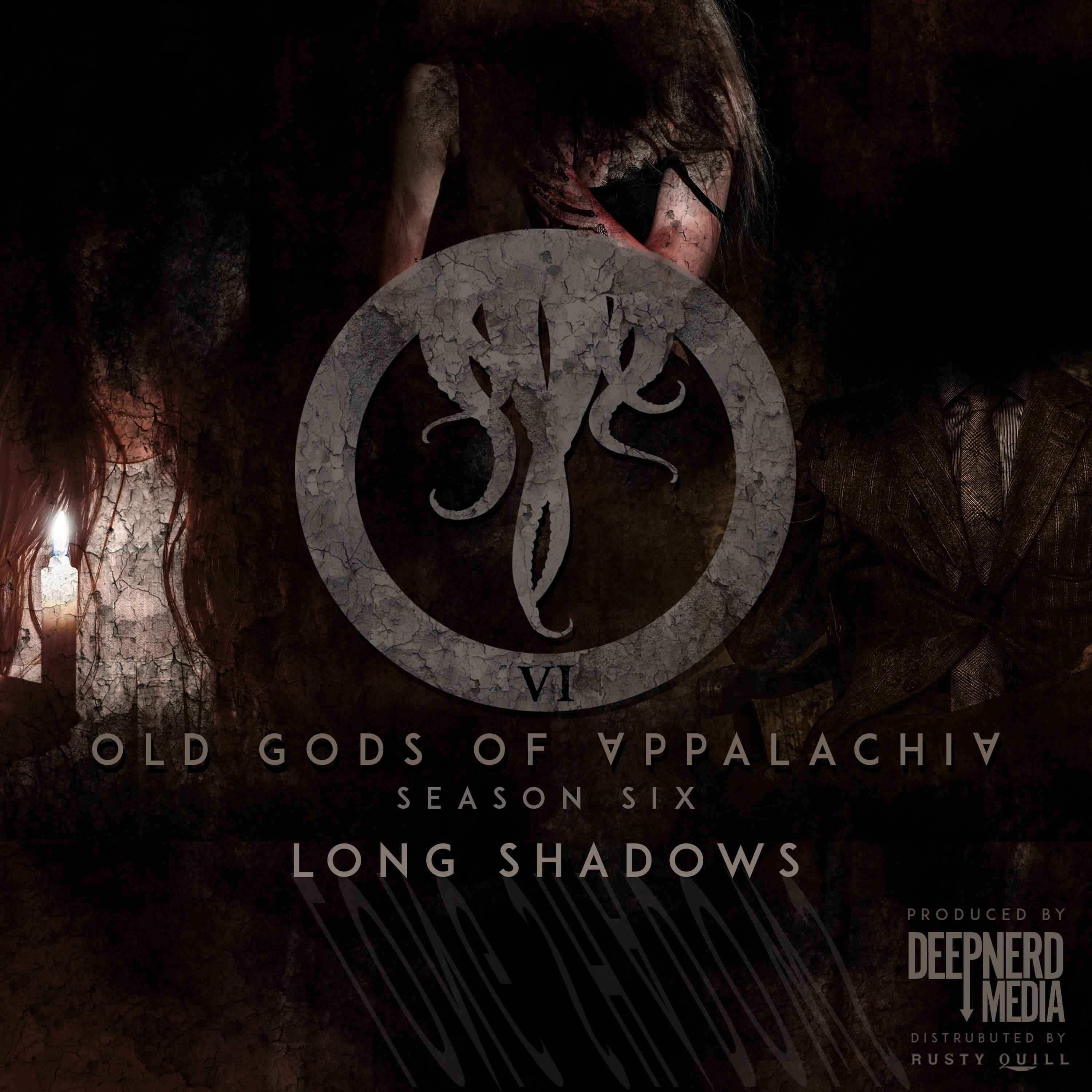
Old Gods of Appalachia is supernatural horror rooted in an Alternate Appalachia where folklore, institutional records, family memory, and older hungers keep speaking from beneath ordinary life. The show moves slowly by design. A hallway, a security desk, a staff locker room, or a cold grave can hold an entire history before anything openly impossible occurs. Recent episodes return to Woodhaven Sanatorium, a place of private rooms, difficult patients, watchful staff, and more trouble than its managers can afford. Wally Gentry’s last shift and Marjorie Robinson’s weary authority place human routine against a background that is already starting to rot at the edges. The dead are not quiet here. Regina Fletcher wakes in her own grave, still learning the protocols of an afterlife that offers no simple comfort and no pearly certainty. The old black door becomes one of the show’s most chilling images because it is plain, solid, and patient. It waits. The series also follows darker lessons around Daughter Dooley, Shirley, ghosts, spectral hunger, and the cost of pledging oneself to powers that do not share human ideas of safety. The Black Stag casts a long shadow. Its followers, failed rituals, and ruined places of worship give the story a cultic brutality that feels both cosmic and local. Yet the show’s strongest effect is not gore or spectacle. It is the sense that every practical detail has been touched by something older: an invitation card, an elevator button, a hospital transfer, a child held too close. Songs and refrains mark the passage between chapters, returning the listener to the fireside frame without breaking the spell. The prose is formal, regional, and deliberately weighted. Dialogue brings flashes of dry humor and mountain plainspokenness, but the dominant mode is grave narration. Old Gods of Appalachia suits horror fans who prefer atmosphere, mythology, and moral consequence to fast scares. It is patient fiction with teeth.