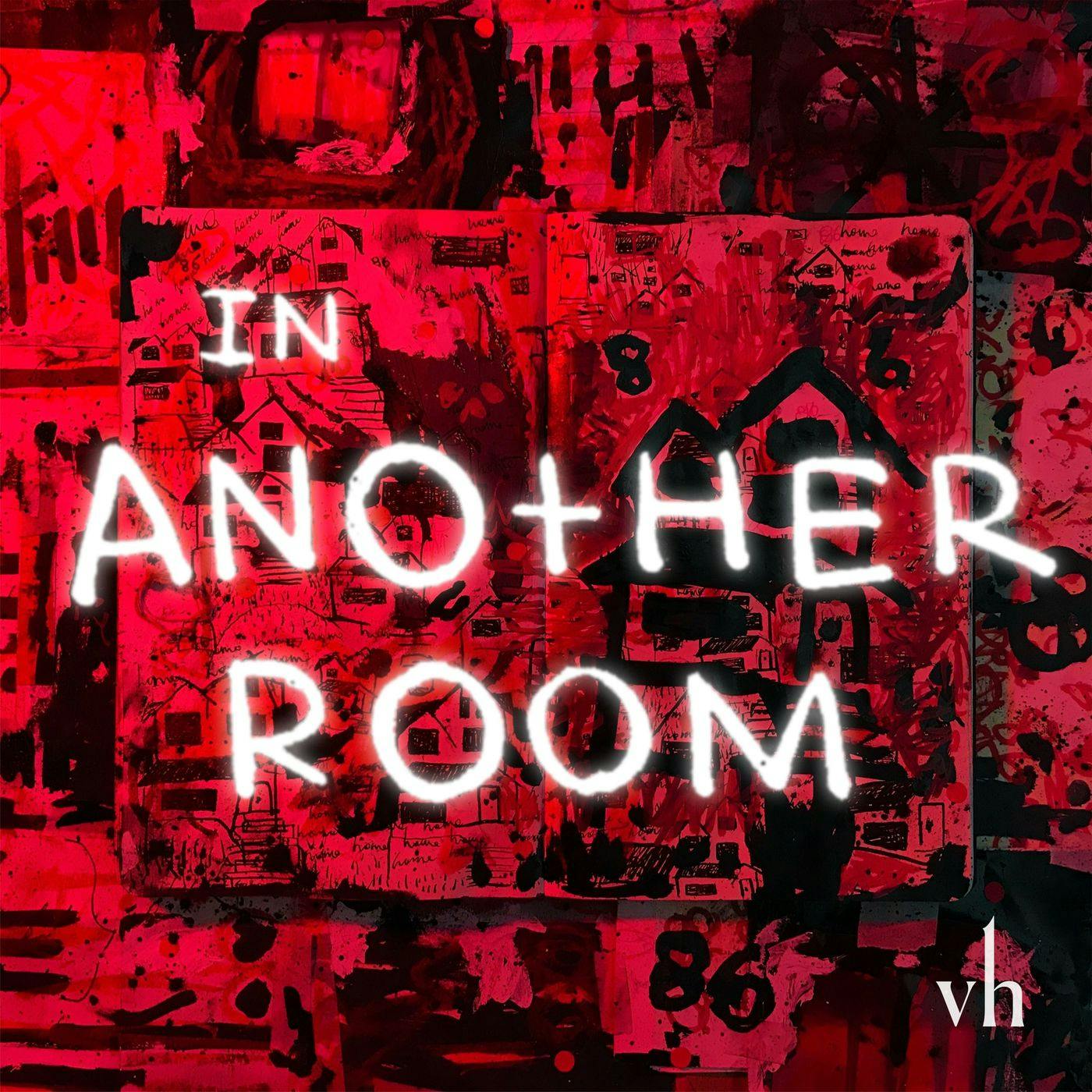
In Another Room is a compact supernatural horror serial about a house that behaves like an accusation. Wendy Morrow enters with case files, a recorder, and enough certainty to keep asking questions after the rooms begin answering back. The house is not treated as a backdrop. It is the engine of the story. Each room has its own grammar: a dining room with a broken plate and an old trunk, a bedroom shadowed by a locked basement, a ballroom arranged around a Ouija board and a spiritualist’s table, a downstairs room marked by a fire. The episodes build dread through objects before they reveal violence. That restraint gives the show its shape. A conversation may start with dinner etiquette, illness, or a delayed phone call, then gradually expose panic, concealment, grief, or rage. The supernatural is present, but it rarely arrives as a clean shock. It presses on ordinary speech until someone breaks. Wendy’s own history becomes part of the haunting when Liliana calls and challenges the distance left after a death in the family. That scene widens the show from haunted-house mystery into family reckoning. The house’s public mythology is also carefully layered through news fragments, neighbor panic, references to strange lights, voices, double homicide, and a local reputation for violent crime. The result feels archival without becoming detached. It keeps returning to records, cases, numbered deaths, and official explanations, then lets those systems fail in the presence of what the house remembers. The tone is grave and controlled. It favors formal narration, tense dialogue, and slow recognition over frantic horror effects. Listeners get a serial mystery, but also a sequence of small dramatic rooms where guilt and loss have nowhere to hide. In Another Room is most rewarding when heard as gothic chamber horror: intimate, deliberate, and haunted by the living as much as the dead.