A candid, practical episode on using sleepover worries to build better judgment and independence.
Sleepovers sit right at the point where teenage independence meets the adult values waiting back home. Cynthia Yanoff and psychologist and author Dr.
327 episodes listed below
Parenting teens without clutching the wheel.
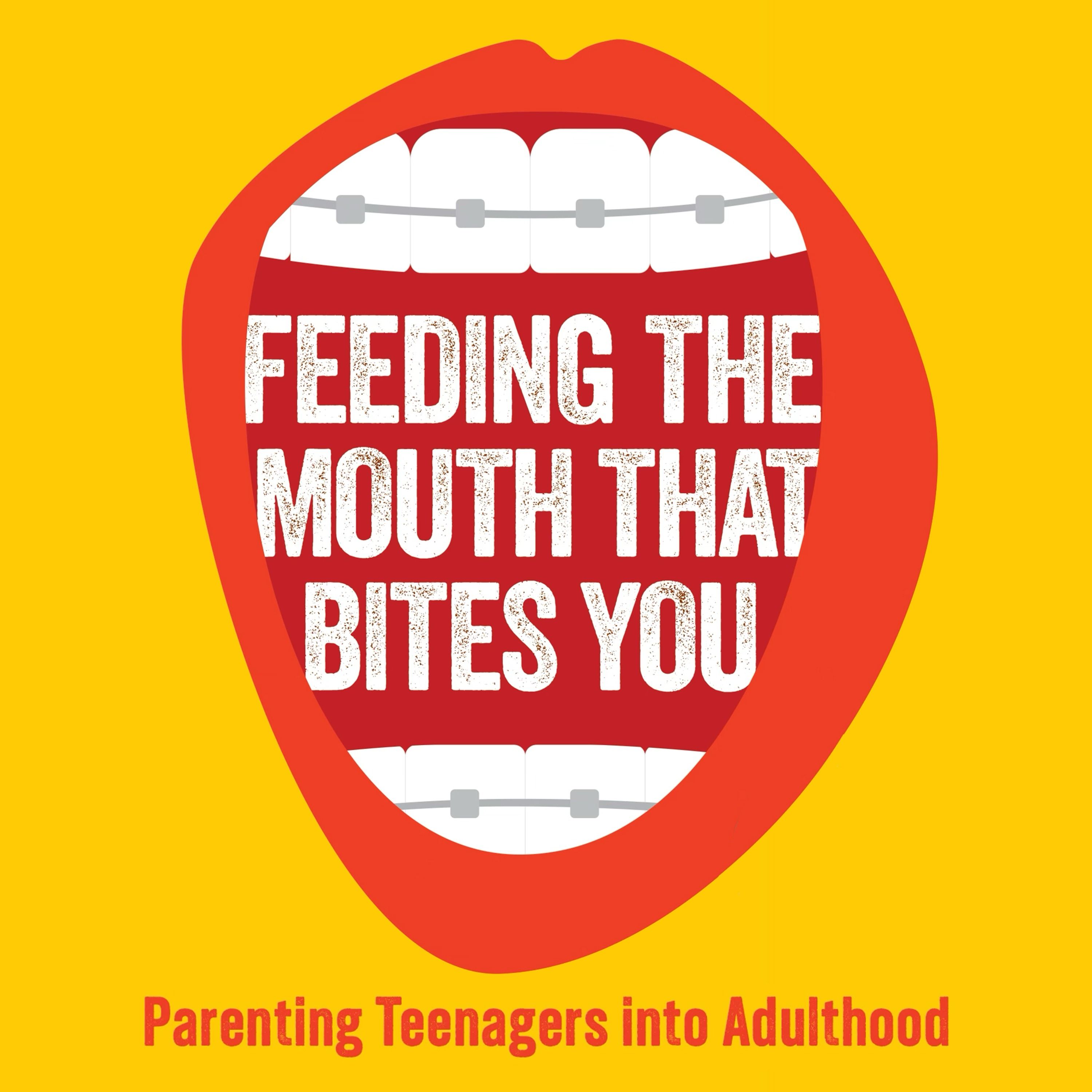
Feeding The Mouth That Bites You treats adolescence as a launch phase, not a longer childhood. The conversations move from phones, clothes, sleepovers, and school routines to marriage and faith, with blunt humor and steady psychological guidance.
PRESS PLAY
Feeding The Mouth That Bites You is a parenting show for the years when old systems stop working. Its recurring premise is that teenagers are no longer children, and parents who keep treating them that way often create more resistance than responsibility. The show’s best moments come from concrete, familiar battles. Phones. Clothes. Sleepovers. Grades. School-year exhaustion. The awkward ride home after a party where drinking made a teen uncomfortable. These are not treated as isolated problems to crush with stricter rules; they become training grounds for judgment, honesty, and adulthood. Dr. Ken Wilgus repeatedly brings the discussion back to planned emancipation, a framework that separates freedoms from expectations and consequences. That distinction gives the show its practical edge. Parents are encouraged to name real limits, but also to stop using childhood-style rewards and punishments on teenagers who are old enough to need their own motivation. The conversations are candid and often funny. Cynthia Yanoff and Jessica Pfeiffer bring the texture of parent life: mic problems, kids home for visits, PTL duties, health realities, house-building chaos, and the temptation to give up on the last kid in high school. Dr. Ken Wilgus answers with a mix of psychological language and plainspoken pushback. Recent episodes also step into Christian marriage, where the show shifts from teen independence to emotional unity, physical affection, eye contact, sacrifice, and the meaning of marriage in relation to God. Those episodes are more explicitly faith-shaped, with references to Jesus, the Holy Spirit, scripture, and Christian marriage. Across topics, the show favors responsibility over panic. It does not promise tidy households or conflict-free teenagers. It offers parents a way to stay engaged while steadily handing life back to the young adults they are raising.
Made for: Parents of teenagers and older adolescents who want practical guidance on independence, limits, phones, clothing battles, school pressure, sleepovers, and launching kids toward adulthood. It especially suits listeners comfortable with occasional Christian framing.
What sets it apart: The show’s strength is its planned emancipation lens: freedom, expectations, and consequences are treated as separate tools rather than one tangled control system. It pairs everyday parent stories with Dr. Ken Wilgus’s psychological and faith-aware guidance.
A weekly podcast on parenting teens and launching them into the world. Hosted by Cynthia Yanof with Dr. Ken Wilgus, author of the book "Feeding The Mouth That Bites You."
Phone rules become a lesson in leaving your teenager alone until an actual problem appears.
Press play if you want
Short reviews from the PlayNext desk, based on the episodes we processed.
A candid, practical episode on using sleepover worries to build better judgment and independence.
Sleepovers sit right at the point where teenage independence meets the adult values waiting back home. Cynthia Yanoff and psychologist and author Dr.
A grounded case for linking phone limits to accountability as teenagers ask for more freedom.
Phone rules become a practical test of whether parents can still guide a teenager without treating that teenager like a child. Cynthia Yanoff and Dr. Ken Wilgus focus on the familiar friction around cell phones, screen time, grades, and the freedom teenagers keep asking for.
A Christian marriage discussion turns marital frustration into a question of spiritual imitation.
Marriage is treated as a spiritual mirror here, with husbands and wives framed not only by what they need from each other, but by what they are willing to offer to Christ.
A grounded marriage conversation about feeling understood, reassured, and close without having to guess.
Marriage advice often gets most useful when it moves past slogans and into the small signals spouses send each other. Cynthia Yanoff and Dr. Ken Wilgus use bad early-marriage advice as a way into emotional intimacy, non-sexual affection, reassurance, and eye contact.

Messy parenting, made practical and warm.

Two friends, one microphone, no polite silences.


School runs, stain tips and mom-group drama, compared out loud.

Practical hope for raising sturdy kids.

Faithful help for the hard parts of mothering.
Jessica and Dr.
Jessica and Dr.
Cynthia and Dr.
Cynthia Yanoff and Dr.
Dr.
Dr.
Cynthia Yanoff and Dr.
Dr.
Dr.
Cynthia Ganoff and psychologist-author Dr.
Dr.
Jessica and Dr.
Jessica Pfeiffer and Dr.