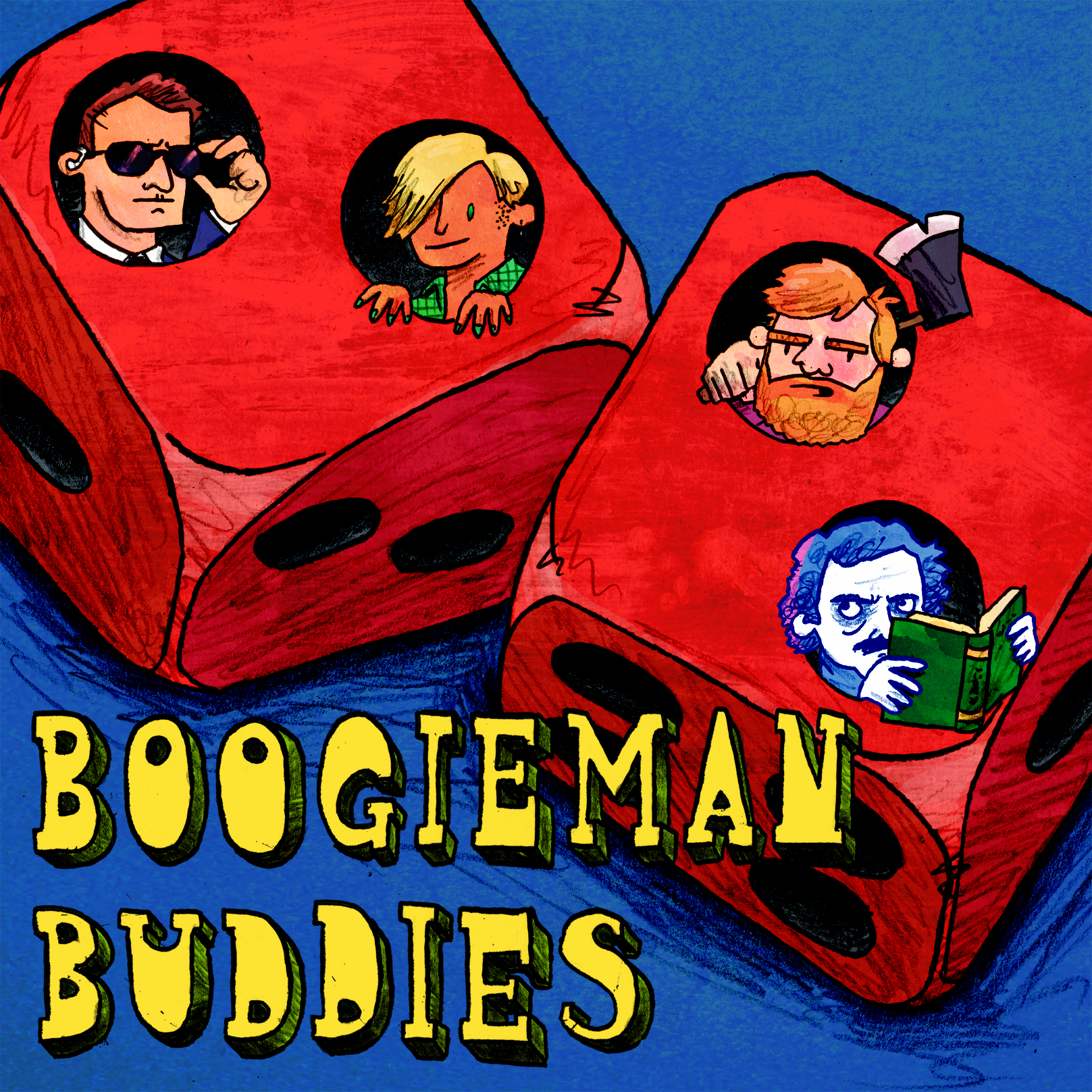
Boogieman Buddies is an actual-play show for listeners who like hearing the table think out loud. It is not sleek. That is part of the point. The group leaves in the rule debates, the corrections, the name slips, the tactical math, and the moment when a grim scene gets undercut by someone who cannot resist the joke. Recent episodes show a wide swing in systems and tones. Fighting in Harmony, the Lancer campaign, is loaded with revolutionary aftermath, noble politics, mech combat, collapsing corporate power, and a final mission with extinction-level stakes. The show gives that material real density, from former nobles adjusting to life after their titles to battlefield turns built around evasion, engineering checks, armor, drones, shields, and airlocks. It can sound like a campaign wiki caught fire during a boss fight. Then it pauses for an aside about how easy it is to destroy a planet if physics is allowed to be rude. The Werewolf: the Apocalypse sessions push in a different direction. Session zero builds characters, interests, mystery hooks, and pack expectations through open table negotiation. Later play turns toward forensics, trauma, supernatural horror, and the question of whether moral or spiritual damage can actually be walked back. Even bonus discussion is useful, because the group is willing to examine where a rulebook gestures at recovery without giving the table much to use. Daggers & Delights shows the same crew in lighter mode, using a Lasers and Feelings hack for masked intrigue, social leverage, and messy aristocratic gossip. The April Fool's special is cruder and more deliberately absurd, turning Pokemon into a running bit about vibes, attraction, and bad taste. Across all of it, the show is ensemble-first. The table sounds comfortable with digression, but the digressions usually reveal something: a mechanic, a character priority, a setting detail, or the group's shared tolerance for chaos. Boogieman Buddies works best when the campaign is both very serious and clearly surrounded by people who refuse to treat seriousness as a sacred object.