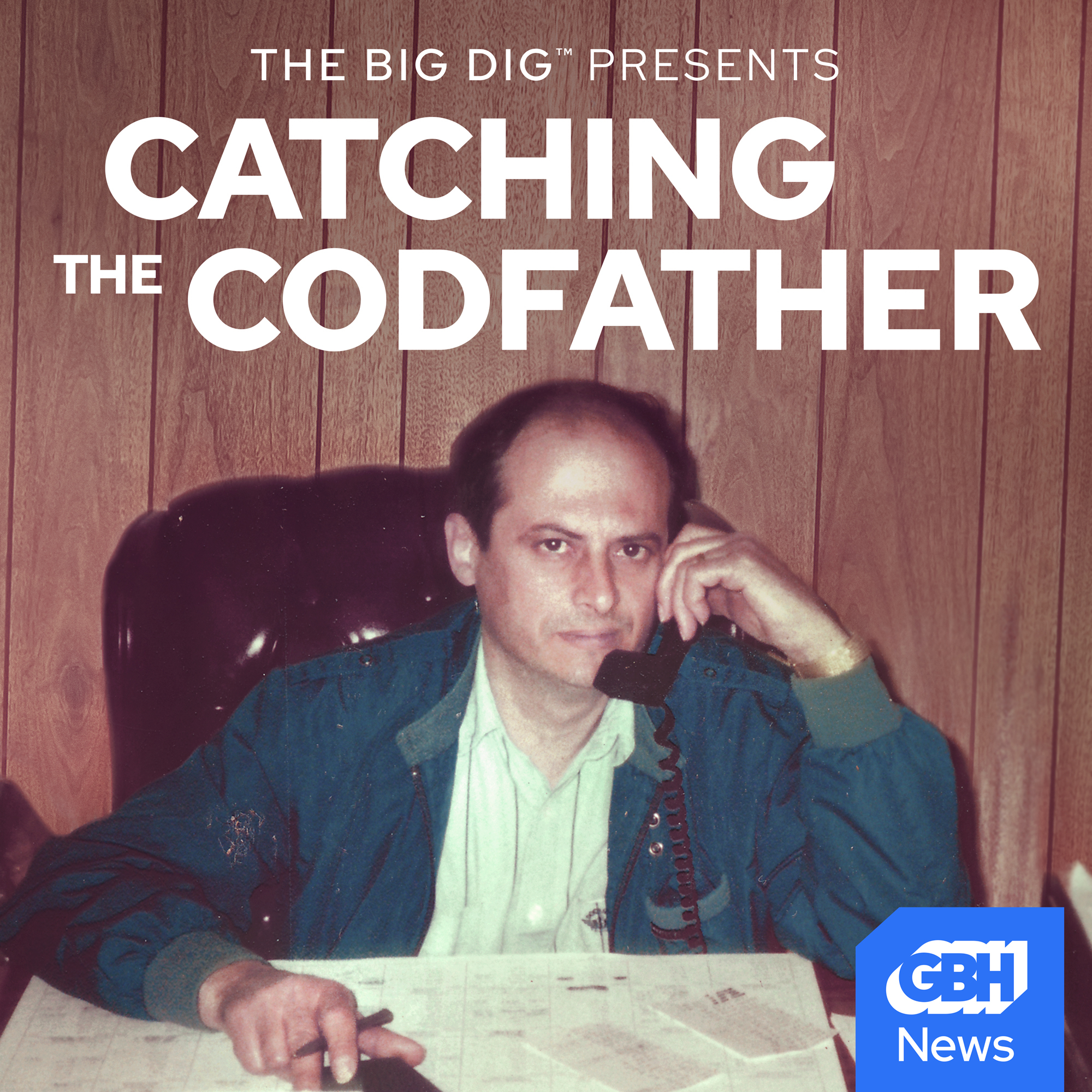
The Big Dig Presents: Catching The Codfather is a reported series about Carlos Rafael and the New England fishing world that made his case possible. It begins in the practical details of work: sharp knives, heavy boxes of fish, family succession, and a business built through speed, nerve, and endurance. The crime story arrives gradually. An IRS approach, undercover buyers, suspicious fish movement, and unanswered money trails become part of a much larger account of how an industry is governed. The series is especially strong when it slows down and explains the system around the scandal. Fishery councils, catch limits, shrinking stocks, small inshore boats, larger fleets, and consolidation all become narrative pressure points. Nothing is treated as background decoration. Regulation is not abstract here; it changes who can fish, how much they can catch, and whether a family business survives. Carlos Rafael remains the central figure, but the show resists making him only a folk hero or only a villain. His voice sits beside investigators, fishermen, lawyers, archival context, and industry detail. That gives the story a productive tension. The same rules meant to protect the fishery can create winners, losers, loopholes, and resentment. The same independent streak that built a business can also become a way to justify breaking rules. Bonus episodes widen the frame without leaving the docks behind. A conversation with Roger Berkowitz turns the reporting into a practical guide to buying fish, including fresh versus frozen, dogfish, and seafood sourcing. Another episode connects fishermen’s regulatory fights to a landmark Supreme Court case involving Loper Bright and Relentless. Featured episodes from The Sporkful and CBC’s Uncover point to the show’s broader editorial taste: crime, food, power, and community told through specific people in specific places. The pace is measured but not dry. It has legal stakes, shop-floor texture, and a clear interest in how public systems meet private ambition. For PlayNext users, it sits at the intersection of true crime, labor reporting, environmental policy, and New England identity.