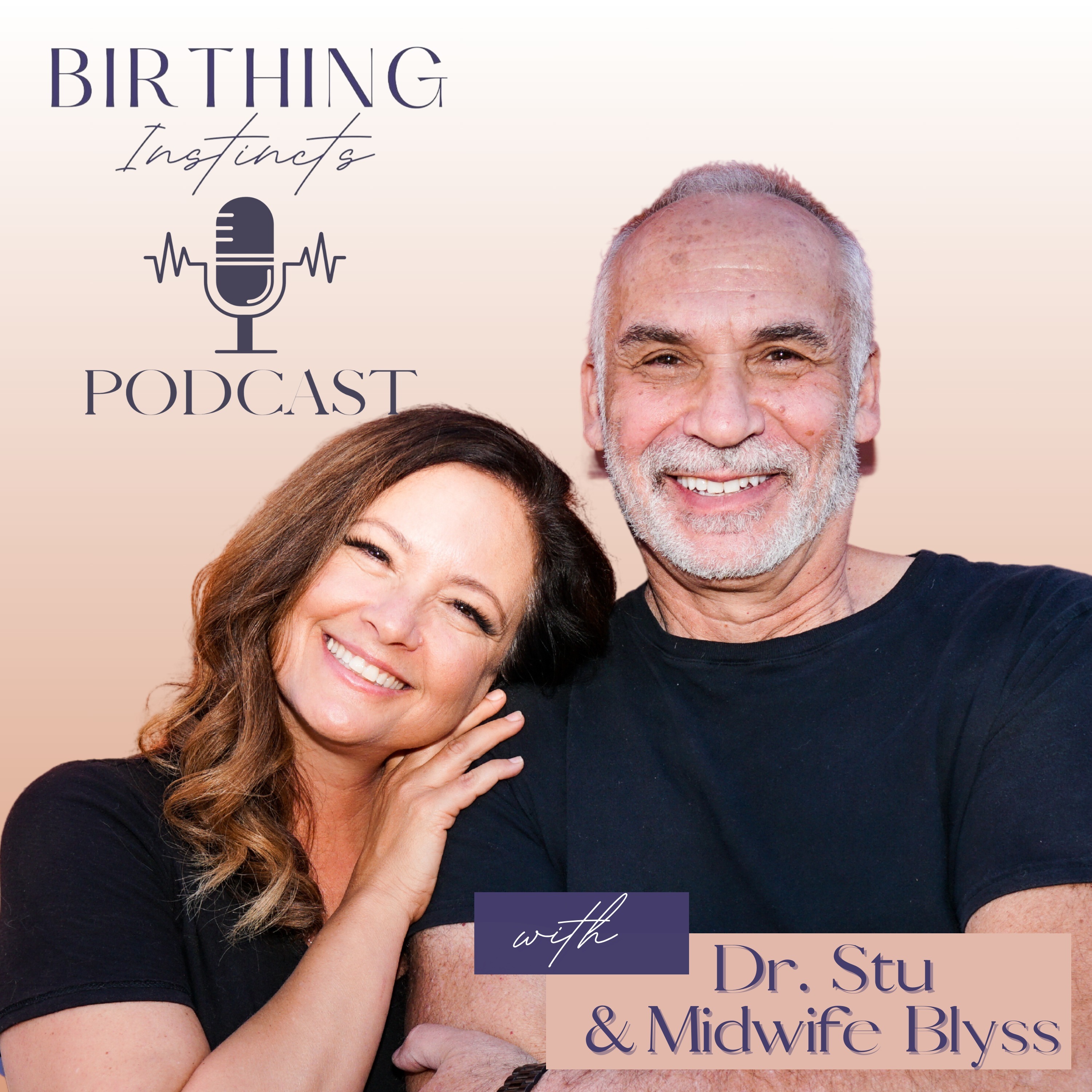
Birthing Instincts is a long-running birth conversation with a strong bias toward instinct and informed refusal. It sounds personal before it sounds formal. Episodes commonly open with the daily texture of the people speaking: a trip to Idaho, a rainy day waiting on twins, a body recovering from pain, a joke about Zoom updates, or a note from a listener who wants less banter. That looseness is part of the show’s identity. The serious work arrives through the side door. One week, that means fertility and acupuncture with Emily Marson, framed as part of a wider conversation about traditional Chinese medicine, herbs, chiropractic care, massage, pelvic floor therapy, pain, anxiety, and bodies treated as more than machines. Another week, it means Angee Hock describing investigation, search warrants, criminal charges, bias, and the emotional aftermath of a midwifery case involving a baby’s death. The show does not treat those stories as abstractions. It stays close to the human stakes. Its skepticism is strongest when hospitals, specialists, testing protocols, or legal systems seem to narrow choice while presenting that narrowing as neutral safety. The result can be blunt. It can also be tender. Recent conversations question routine monitoring, anatomy scans, repeated ultrasounds, Color Flow Doppler, induction pressure, UTI screening, antimicrobial stewardship, and how much intervention actually improves outcomes. Home birth remains a central concern, especially when Jacob Dubois appears with a book aimed at fathers and evidence-minded families. Traditional midwifery also stays near the center, including discussions of licensing, community practice, breech skills, water birth history, and protecting older forms of care. The show is not a quick primer. It wanders, repeats, jokes, mourns, and argues its way toward the point. For the right listener, that creates trust. For someone looking for a clipped, neutral health segment, it may feel too personal and too opinionated. Birthing Instincts is best understood as advocacy in conversation form: warm toward families, skeptical toward bureaucracy, and deeply invested in the right to ask better questions before birth becomes a procedure someone else controls.