Topics / Race & Ethnicity
Race & Ethnicity Podcasts
1,258 shows and 73,409 episodes sit under Race & Ethnicity.
Hear candid stories and cultural conversations about race, identity, and community from The Stoop, Homegoings, and Black History Year.
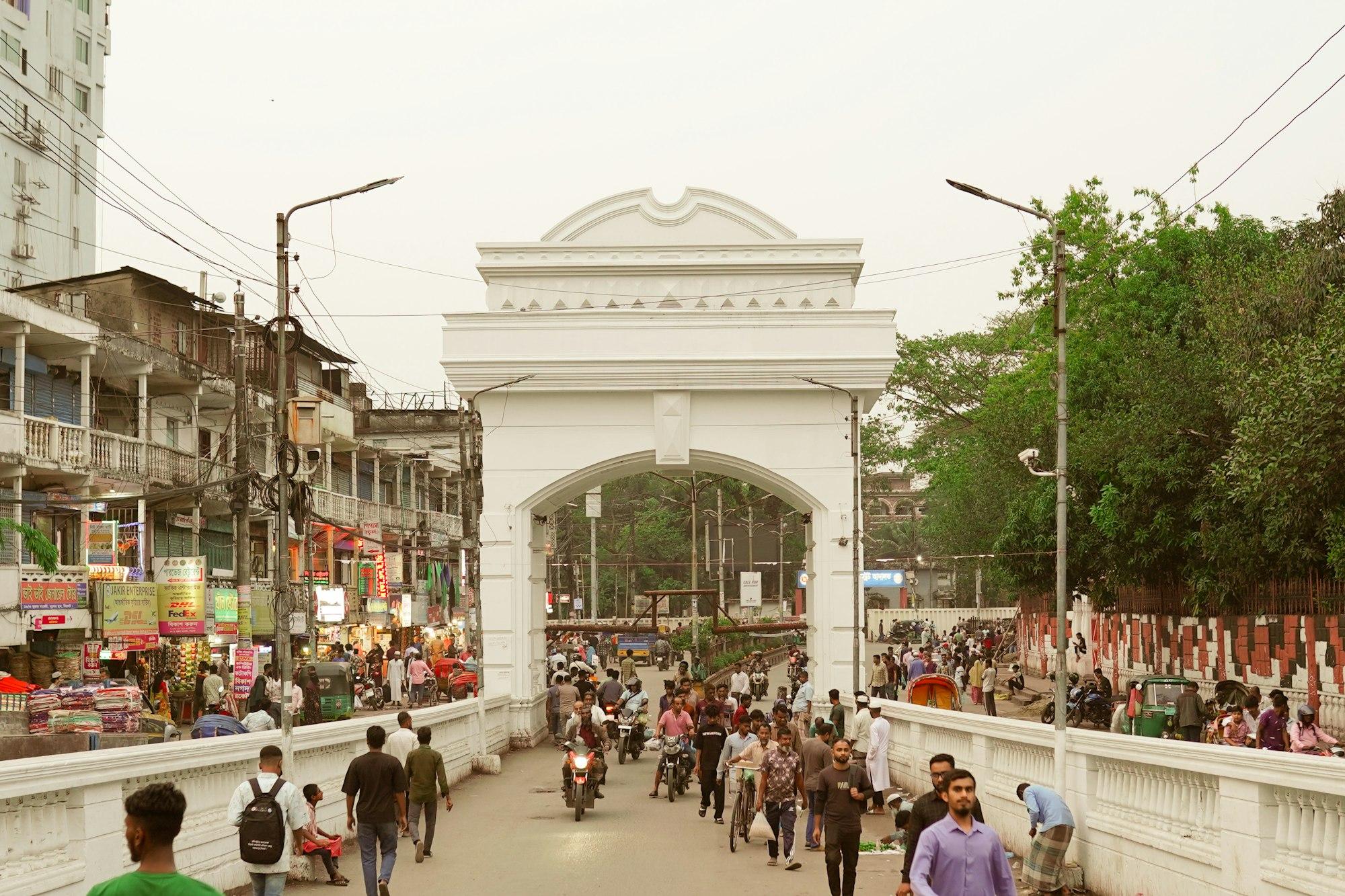
Photo: Tanvir Hasan on Unsplash · Unsplash License
Swipe · Race & Ethnicity only
Swipe through Race & Ethnicity
Save time discovering your next favourite podcast by listening to just the best minute of an episode.
The race & ethnicity slate · every cover a link
All 1,258 race & ethnicity shows →

Before you press play
Finding the right Race & Ethnicity show for you
Someone posts a clip of a person explaining what one community owes another, and a host has built an episode around the answer. In another feed, an education scholar tells an interviewer how she learned as a child to use humor as a shield, so that teachers would not read her as aggressive. Both are race and ethnicity podcasts, and the distance between them is the first thing worth knowing. The form includes solo commentary, call-in radio, film talk, public-television interviews, school-leadership seminars and late-night banter among friends. At its best it lets you hear how people actually reason about belonging, debt, history and who gets believed.
The potential audience is broad. Edison Research reported in July 2025 that 51% of Black Americans and 58% of Latino Americans aged 12 and over listened to podcasts monthly. Those figures cover podcasts of every kind, not this subject alone. In December 2024, Edison found that 47% of U.S. Latino monthly listeners aged 18 and over first discovered podcasting through social media, up from 30% in 2020.
Listeners also argue about two things. One is whether a show about race should sound neutral or take a side. The other is whether a forceful personality helps an argument land or crowds it out. The shows below invite both questions.
Commentary at full volume
The most combative shows here rely on one or two voices and a news item, and they disagree with each other as sharply as with anyone. Phillip Scott Podcast argues from the interests of what it calls FBAs. In Haitian Man Is Upset With FBAs After Supreme Court Greenlight Trump To Revoke Their TPS Status, the host explains the 1990 temporary protected status law early on and then answers the video at the centre of the episode. He calls the threat to the man's status racial, while arguing that Black Americans owe no sympathy for what he hears as disrespect.
JLP Highlights comes from a different direction. It collects best-of material from Jesse Lee Peterson's call-in program, where the pressure comes through repeated questions. In BEST OF WEEK: Walmart: No English Speakers? ICE For No Reason. Trump S— Offender? | Jan 26-30, '26, a caller insists "White is a title. It's not a race," and is asked again and again whether he loves white people. In BEST OF WEEK: Church Protest & Swastikas. “Reverend” Anti-ICE Lady. Lynching Lies. | Jan 19-23, '26, a voice on the show says racism in America "doesn't exist." A caller named Jerome then argues back about supporting Black-owned businesses.
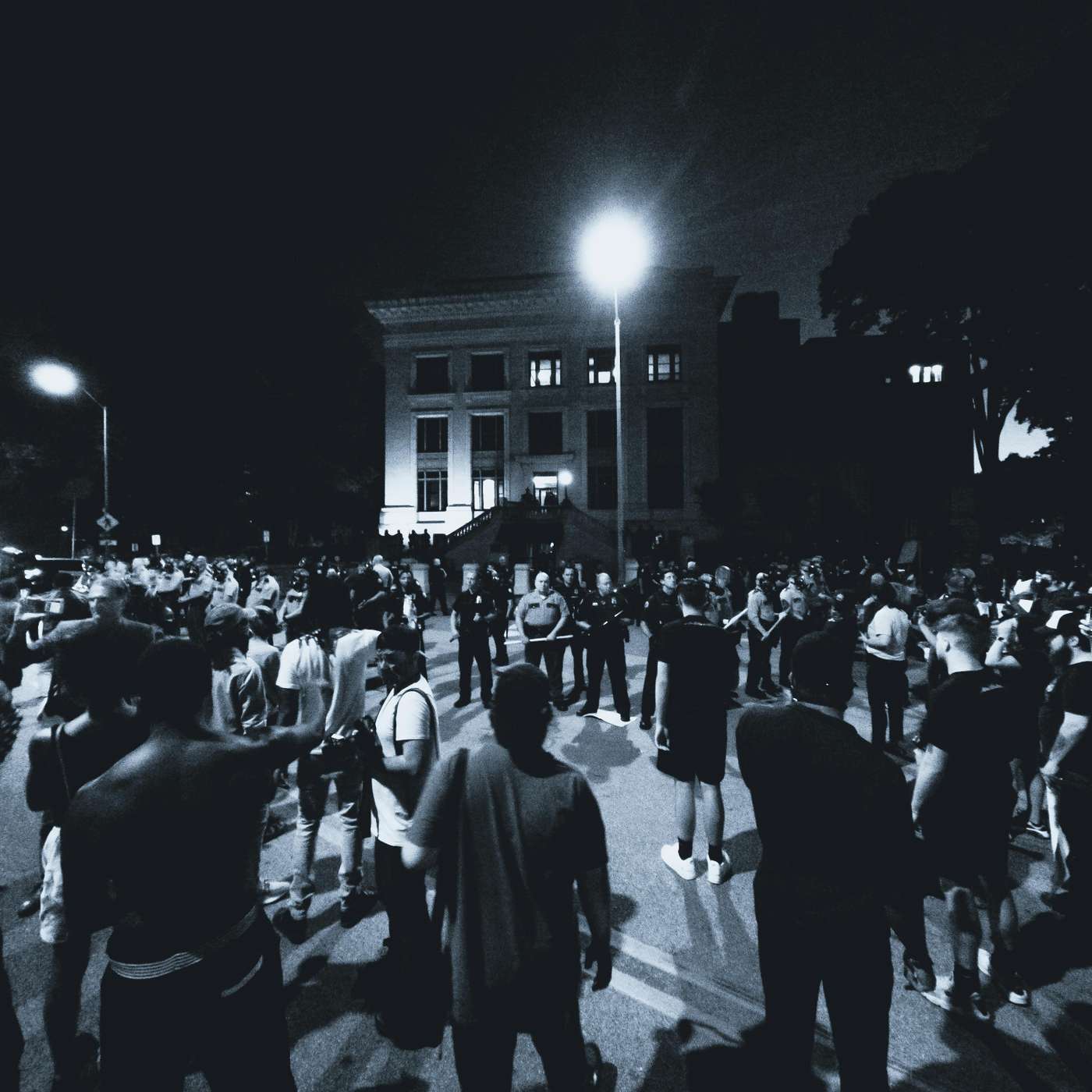
2 Men In Black and White: An Honest Conversation, hosted by Mark Hayes and Brock Ganeles, reads Trump-era news through race. In THE EPSTEIN CLASS...Will They Ever Be Held Accountable...Whats Blanche Hiding?, the hosts argue that the justice system protects powerful white people. One of them asks, "See what I'm saying when we look at this in black and white?"
In Is Hustle Culture Dying In America? from Boots on the Streets🇺🇲🇺🇲, Dr. Dedrick Hilton, aka The Red Baron, moves from rosaries laid in a casket to why he gave up a $740 car payment. Here race sits inside a broader anger about work and money. The same feed carries Should Black Americans (FBAs) Keep Voting Democrat?
(Help Stop The Genocide In American Ghettos Podcast) sounds like a live community meeting. The 116-minute GRCAM Virtual Interactive Conference March 28th 2026. Theme: (America’s Collapse Is Coming For Black People) Side A sets out the host's fundraising for a Chicago docudrama and his appeals to buy his book. In Side B, he stops to ask a guest working with a ministry in Nairobi to find headphones. A guest episode with Kiesha Taylor turns to disability access, including whether AI captioning helps or hurts. More shows in this vein are on the Social Commentary page.
History that answers back
Black History Year, hosted by Darren, treats history as something to argue over in company. How a Village Beat White Supremacy—Lessons from "Bacurau" with The Micheaux Mission is a film club with stakes. The panel debates whether the thriller counts as a Black film, and one member lingers on the museum keeper who tells the villagers to leave a bloody handprint on the wall because it is now part of the museum.
Black, Brilliant, and... Canceled? When Black Icons Fall with Shamira Ibrahim offers a sturdier frame than any verdict on a fallen icon. The cultural writer recalls Rosa Clemente's line that a museum is "a requiem not just for the good, but for the bad as well."
The Black History Year feed also carries Don't Cop Out: The Street Work That Changed Everything — For Everyone, hosted by William C Anderson. A CAHOOTS worker describes two-person crisis teams in Eugene-Springfield. The worker also explains the bind of relying on police dispatch while competing with police for the same funding. The Cultural Studies page goes further into this kind of thinking.
Interviews that make room

Where the commentary shows push, these shows lean in and give guests room to talk. CUNY TV's Black America, with Carol Jenkins, takes its time. In Providing Space and Help For Your Daughters, guests describe Yes Girls Create and a conference that brings together about 100 girls and 50 women leaders. In Where Vision Meets Justice: What's at Stake?, Dr. Sarah Lewis explains the "near-win": by her account, silver medalists often look more dejected than bronze medalists.
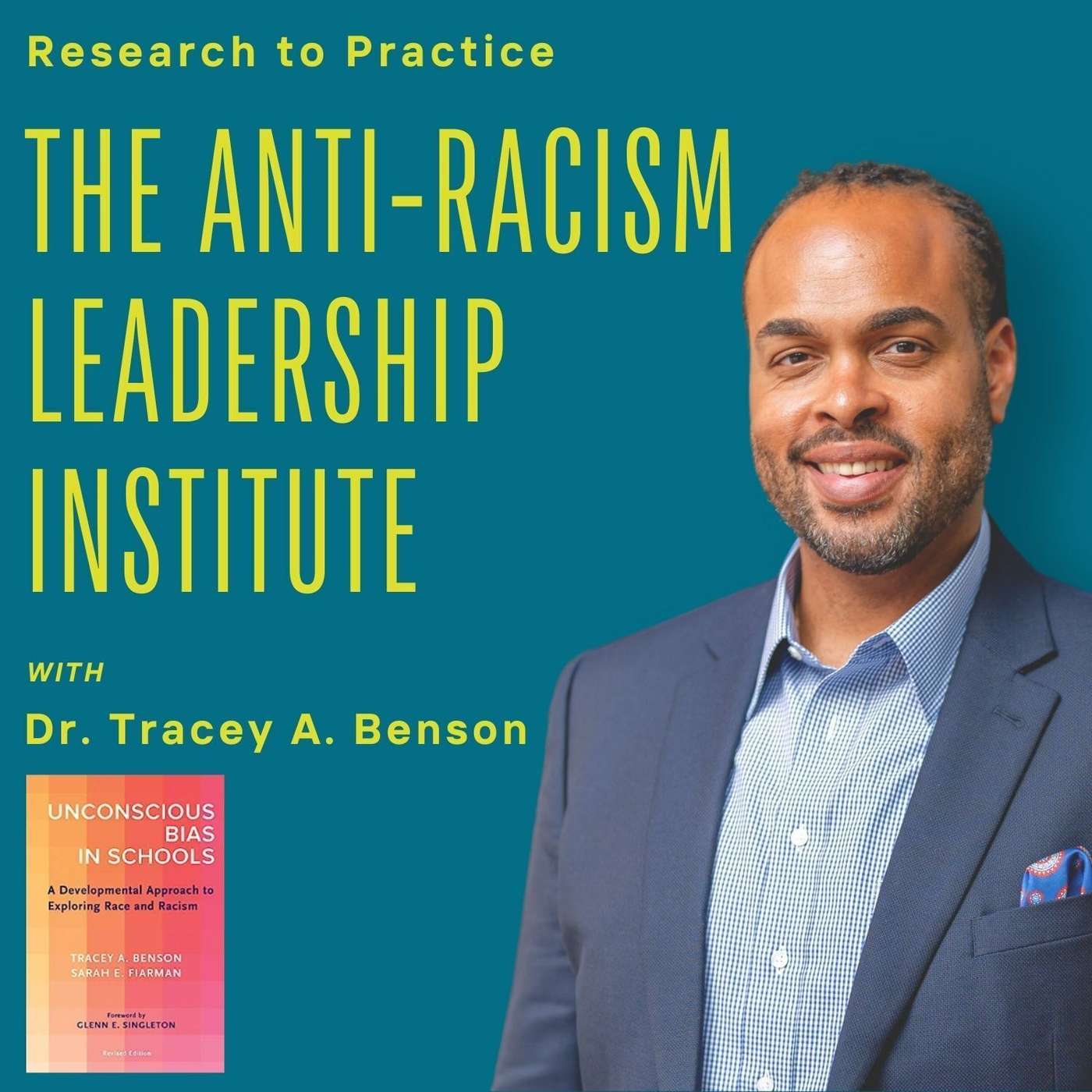
Research to Practice - The Anti-Racism Leadership Institute does similar work for educators. Dr. Aja Denise Renolds unpacks the "good Black girl" role she learned to play in school. Asked whether that idea just means coaching Black children to behave, she replies, "the issue is never the kid." In From Intention to Impact: A Conversation with Dr. Sarah Fiarman, the talk turns to breaking down classroom participation data by race and gender. In The Good Fight - Navigating Education, Advocacy, and Autism, Will Adams Sr. recalls his nonverbal son saying "Happy New Year" on January 1, 2026.

Let's Find Common Ground, from USC Dornsife's Center for the Political Future, is cooler still. At California at 175 Conference: "First in Taxes, First in Results?", a questioner asks how California would pay for cash reparations, setting aside whether the plan is constitutional. The Identity & Community page gathers more interview-led listening.
Lives across borders

The Maverick Show: Global Travel Stories & Life Beyond Borders, hosted by Matt Bowles, reaches race through travel. Its three-part conversation with Priyanka Surio, born in Florida to parents from India and Hungary, covers a lot of ground. She recalls Indian friends in college calling her disconnected, traces how indentured Indians were taken to East Africa and the Caribbean, and describes Lafayette Square during the 2020 protests. Bowles adds his own story about a Da Nang restaurateur who claimed to have built the city's only tandoor oven, a claim he did not independently verify. Order matters here: he recommends hearing parts one and two before part three. The Personal Stories page has more first-person listening.
The room where nobody is performing
Detroit State of Mind Podcast, with Trez Kinney and Mike, shows that race also lives in everyday talk among friends. In DSMP EPISODE 210: HIP HOP AND THE SERVICE INDUSTRY, the talk ranges from missing steel-mill overtime to a brief mention of foster care. It moves on to a plea for Big Sean to come home and rap over hard Detroit beats. DSMP EPISODE 211: LAST POD OF 2025 runs 110 minutes and goes from lamb chops to why a Ferrari in Highland Park draws the wrong kind of attention. Both episodes are full of profanity and the n-word. The Community and Pop Culture pages continue in this direction.
Where to start
- If you like history argued among friends: Black History Year, How a Village Beat White Supremacy—Lessons from "Bacurau" with The Micheaux Mission. The 62 minutes feel like the best film-club evening you have attended.
- For a calm, generous interview: CUNY TV's Black America, Where Vision Meets Justice: What's at Stake?, a 28-minute conversation that rewards close attention.
- Teachers and parents: Research to Practice - The Anti-Racism Leadership Institute, Understanding the “Good Black Girl” Concept: An Interview with Dr. Aja Denise Renolds. It mixes personal history with classroom practice.
- For a story that crosses oceans: The Maverick Show: Global Travel Stories & Life Beyond Borders, Indian Diaspora Stories & Lessons from Ghana, Ethiopia and Nomadic Cultures with Priyanka Surio. This is part one, so begin here.
- If you want an argument with a thesis: Phillip Scott Podcast, This Conversation In Kenya Still Hits Hard Today. The host recalls starting on YouTube in front of his shower curtain, which gives useful context before his harder episodes.
Pick the question you already argue about at home, whether it is who owes what, who belongs or what history leaves out. Then give one episode your full attention. The Society & Culture category guide is there when you want to widen the circle.
Featured shows below are part of the PlayNext catalog. Updated weekly.
Featured shows
8 shows, described rather than listed
Each one comes with a short write-up and the role it plays in this guide.
Two complementary voices mix warm banter, personal memories, and reflective questions with reporting on culture and identity. It suits listeners who like intimacy without simplification.
A rapid-fire duo turns headlines, gossip, jokes, and political frustration into blunt, community-minded commentary. It suits listeners who enjoy colloquial debate and quick pivots.
Host and musician Myra Flynn speaks with artists, experts, and everyday people about race and its place in daily life. It suits listeners open to candid, sometimes uncomfortable stories.
Voices from Puerto Rico and the mainland talk music, memory, identity, resistance, motherhood, and meaningful gossip. It suits Boricua listeners living between island and diaspora.
Patient interviews connect Black history, liberation, racism, education, and policy through definitions and concrete examples. It suits listeners who prefer measured explanation.
A fast, familiar British panel moves through jokes, interruptions, side debates, and sincere arguments about relationships, culture, and public life. It suits conversational listeners.
A solo activist broadcast combines urgent appeals, religious language, civic issues, and detailed calls to participate. It suits listeners seeking direct organizing messages.
Kenneth Nguyen gives guests room to discuss Vietnamese culture, identity, entertainment, history, and ambition through examples and digressions. It suits patient, curious listeners.