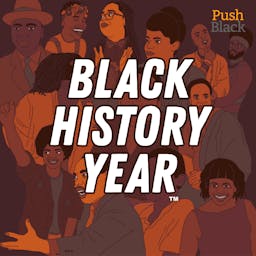
Black History Year presents Black history as an active source of political memory, cultural pride, and practical warning. Its strongest episodes are concise but not shallow. A typical short installment begins with a familiar historical frame, then pivots toward what was erased, softened, or misrepresented. Reconstruction becomes a story about Black collective power, voting strength, and the backlash that followed. Carter G. Woodson's legacy is traced through James Henry Woodson's refusal to accept humiliation under slavery. Jim Crow medicine becomes a way to understand why Black doctors and patients were blocked from full care, even inside institutions that claimed to serve them. The show is comfortable naming systemic racism plainly. It also makes room for examples of courage, invention, and community response. Episodes on the 13th Amendment and plea bargaining connect the legal language of freedom to incarceration and exploitation. A piece on amusement parks shows how popular entertainment profited from anti-Black spectacle and Confederate nostalgia. Another turns toward West African mythical beings, treating folklore as part of a wider cultural archive rather than a curiosity. The feed also includes longer interview material connected to PushBlack, including a conversation about alternatives to policing and crisis response work through Cahoots. Those conversations slow the pace. Guests are allowed to explain services, limits, and consequences without being rushed into sound bites. The show can be heavy, but it is rarely vague. It works by tying names, laws, places, and institutions to larger patterns. Its editorial stance is advocacy-minded and educational, yet the language stays accessible. Listeners come away with usable context: what happened, who benefited, who resisted, and why the story still matters. Black History Year is best understood as a steady corrective to thin public memory, one brief lesson or careful conversation at a time.