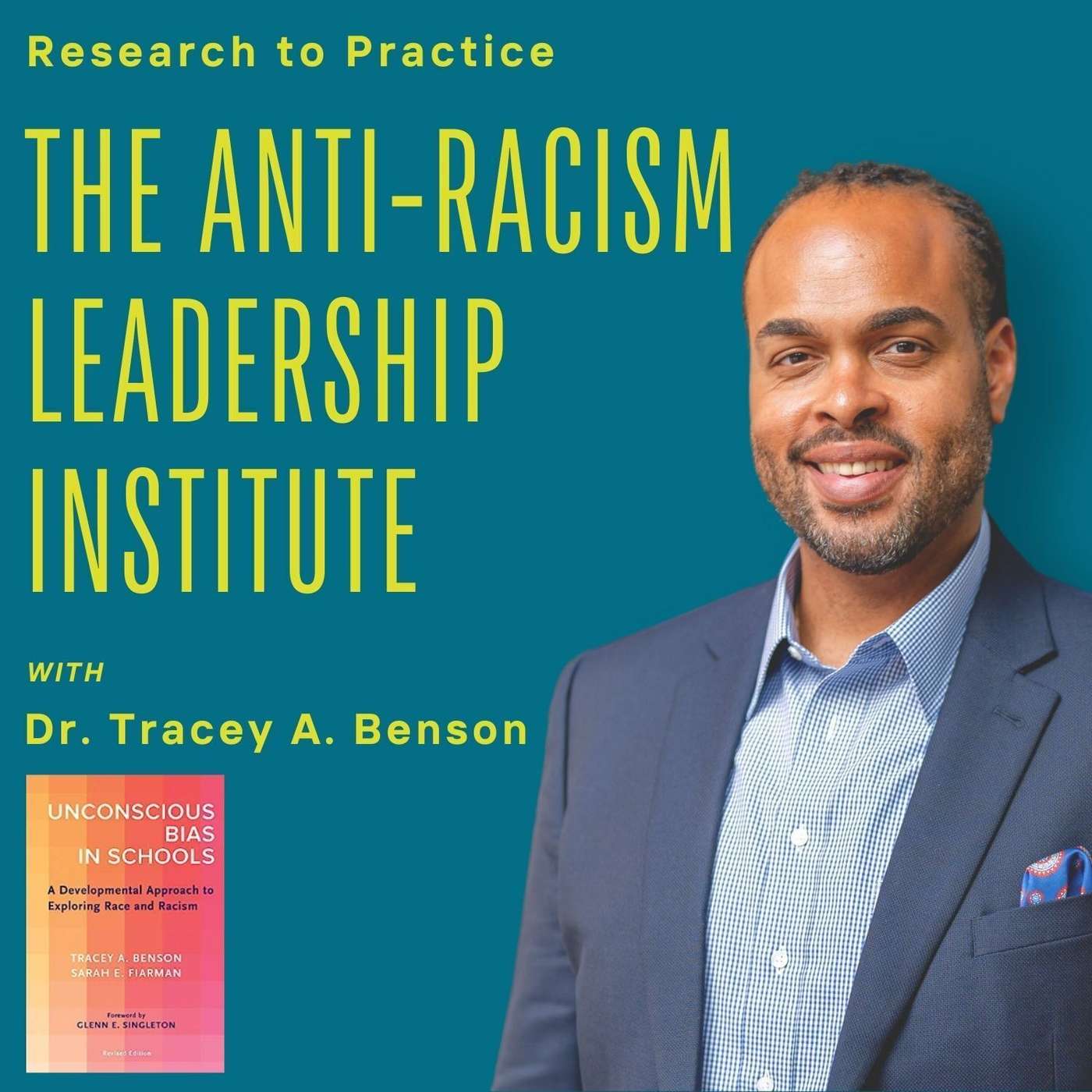
Research to Practice is a measured, interview-led show about anti-racism in education. It is less interested in quick tips than in the conditions that make equity work possible or impossible inside schools. The conversations often begin with a person: a researcher, a school leader, a parent advocate, or someone whose family history has shaped the questions they bring to education. Then the lens widens. A story about autism support becomes a discussion of public school capacity, parent advocacy, diagnosis, ABA, and the fear of a child losing hard-won progress. A conversation with Dr. Sarah Fireman turns school leadership into a question of stance, especially for white leaders trying to recognize blind spots without making anti-racist work about self-proving. Education finance gets treated with the same patience. Dr. Catherine Posniak's episode tracks federal funding, state responsibility, agency capacity, and what cuts or policy shifts may mean for districts already carrying uneven burdens. Other episodes move through restorative practice, school policing, exclusionary discipline, Black girlhood identities, liberatory practice, English learners, universal design, and the ways Black communities remember the Civil War. The show is direct about racism. It is also attentive to the practical machinery of schooling: principals, state budgets, teacher preparation, assessment, leadership programs, and classroom design. That combination gives the series its useful tension. It does not speak about equity as a value statement alone. It asks what would have to change in preparation programs, district decisions, public systems, and daily interactions for schools to stop reproducing the harms they claim to oppose. Guests are given room to think through contradiction, and the host's questions often translate scholarship back toward practitioner responsibility. Some episodes are repetitive or transcript-like in rhythm, but that slowness is part of the texture. The show is at its strongest when it lets lived experience complicate institutional language. It is for people who can sit with discomfort and still want something actionable to carry back into education work.