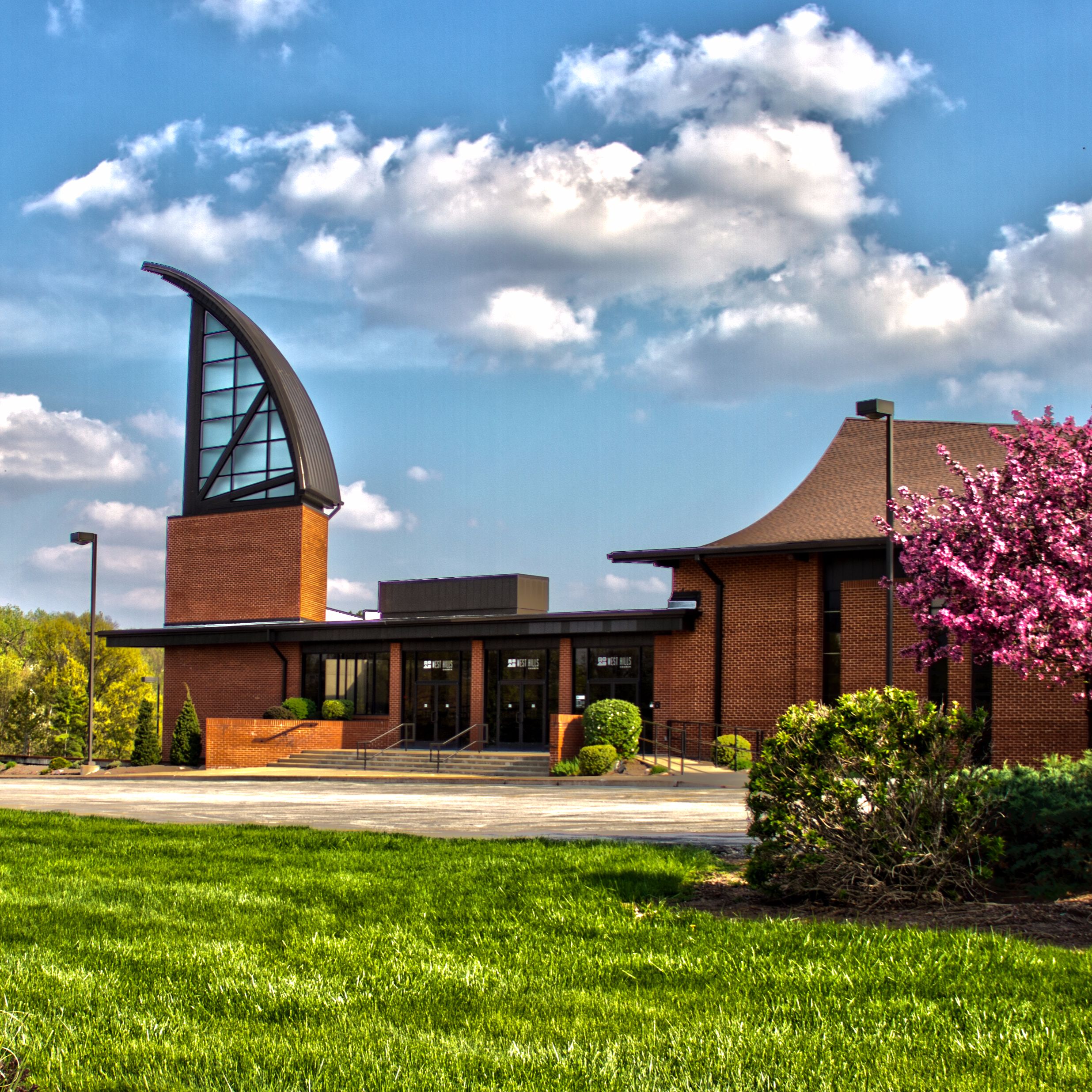
West Hills Church is a sermon-and-conversation feed shaped by the teaching life of a local congregation. It is not polished into a studio brand. The episodes retain the feel of Sunday preaching, pastoral follow-up, submitted questions, quick jokes, small corrections, and long stretches of biblical explanation. Recent sermons move through Deuteronomy with a strong interest in worship and holiness. They ask where worship belongs, how reverence and joy belong together, and why the gathered church matters in the new covenant. The preaching often begins with a concrete illustration. A royal custom, a gift basket, or an Easter welcome may open the door, but the destination is usually a careful reading of the text and a return to Christ. The companion episodes make the feed more than a sermon archive. After the Sermon revisits the prior message so its claims can be carried into the week, not left as a Sunday event. Ask the Pastors gives the same church a question-and-answer table. Brian hosts the conversation, Will answers follow-up questions and joins the pastoral discussion, and Thad appears in Ask the Pastors episodes. The questions are not lightweight. Recent topics include porneia and divorce in Matthew, 1 Timothy 2 and women teaching, theological triage, resurrection, heaven, hell, Satan, worship practices, confession, Scripture reading, and church membership implications. The show’s appeal is its willingness to make distinctions in public. It can say that one doctrine may define salvation, another may affect church membership, and another may remain a lower-tier disagreement. It also shows the pastors testing their own wording as they go. That gives the feed a human texture: tired Easter-week banter sits beside grave talk about marriage, holiness, and judgment. The copybook answer is rarely enough here. West Hills Church is best for listeners who want pastoral reasoning with enough looseness to hear the work being done in real time. It treats theology as something that must survive contact with worship services, households, member meetings, and the ordinary burdens of church life.