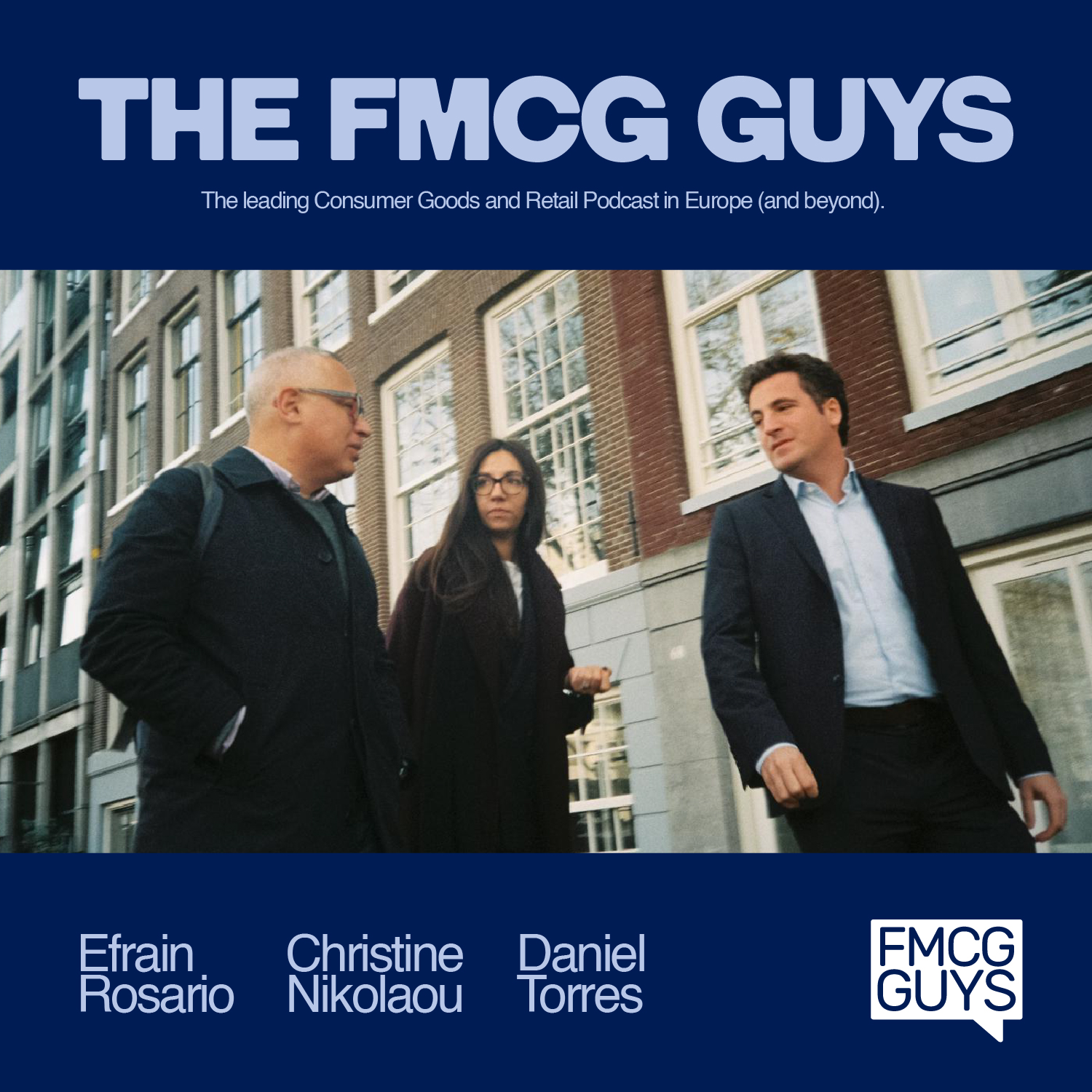
The FMCG Guys is an interview-led show about the commercial reality of consumer goods and retail. It moves quickly, but it is not shallow. The core appeal is hearing people explain what fashionable terms mean once they hit a store, a marketplace, a brand plan, or a customer journey. Recent episodes show that range clearly. A Decathlon conversation follows international retail expansion, Mexico, Japan, wholesale, marketplaces, and the problem of explaining many sport-specific brand names in newer markets. A live Shoptalk Luxe interview with Amit Keswani looks at luxury retail through omnichannel structure, AI responsibilities, customer experience frameworks, and a portfolio that stretches across footwear, beauty, homeware, and international brands. At CES, Monique Perlmutter connects Marriott’s travel-media work with loyalty, brand history, CPG case studies, and the odd routines people build around travel. Retail media gets a sharper panel treatment with Adam Smith and Kiri Masters, where the subject is treated as a maturing part of retail rather than a passing fashion. The agentic commerce live session with Beyza Kapu and Salim Bachatene catches an industry trying to define a term before it becomes another empty slogan. Other episodes get more tactile, such as Sandie Dilger describing Proper Snacks, hot sauce development, customer presentations, and creativity inside a brand team. Richard Jones brings the perspective of digital commerce as part of the wider commercial fabric, not just another sales channel. The show’s rhythm is usually simple: short questions, long working answers, then a plain-language recap or follow-up. That structure keeps the listener close to the decision-making. The tone is casual and business-literate. It can handle jargon, but it usually pushes guests toward examples. The show also has a live-events sensibility, with recordings from Barcelona, London, CES, Abu Dhabi, and LinkedIn sessions giving episodes a current, industry-room feel. It is strongest for listeners who care about how retail strategy actually gets implemented. It is not a consumer shopping show. It is for people who think about assortment, media, channels, data, commerce technology, and brand execution as connected problems. The recurring disclaimer-heavy endings reinforce that these are professional conversations, not investment or business advice.