Question-led coaching on training choices, food habits, strength work, and daily consistency.
The Dan John Podcast's 347th episode works best as a practical coaching pass through a familiar question: does the work actually serve the outcome?
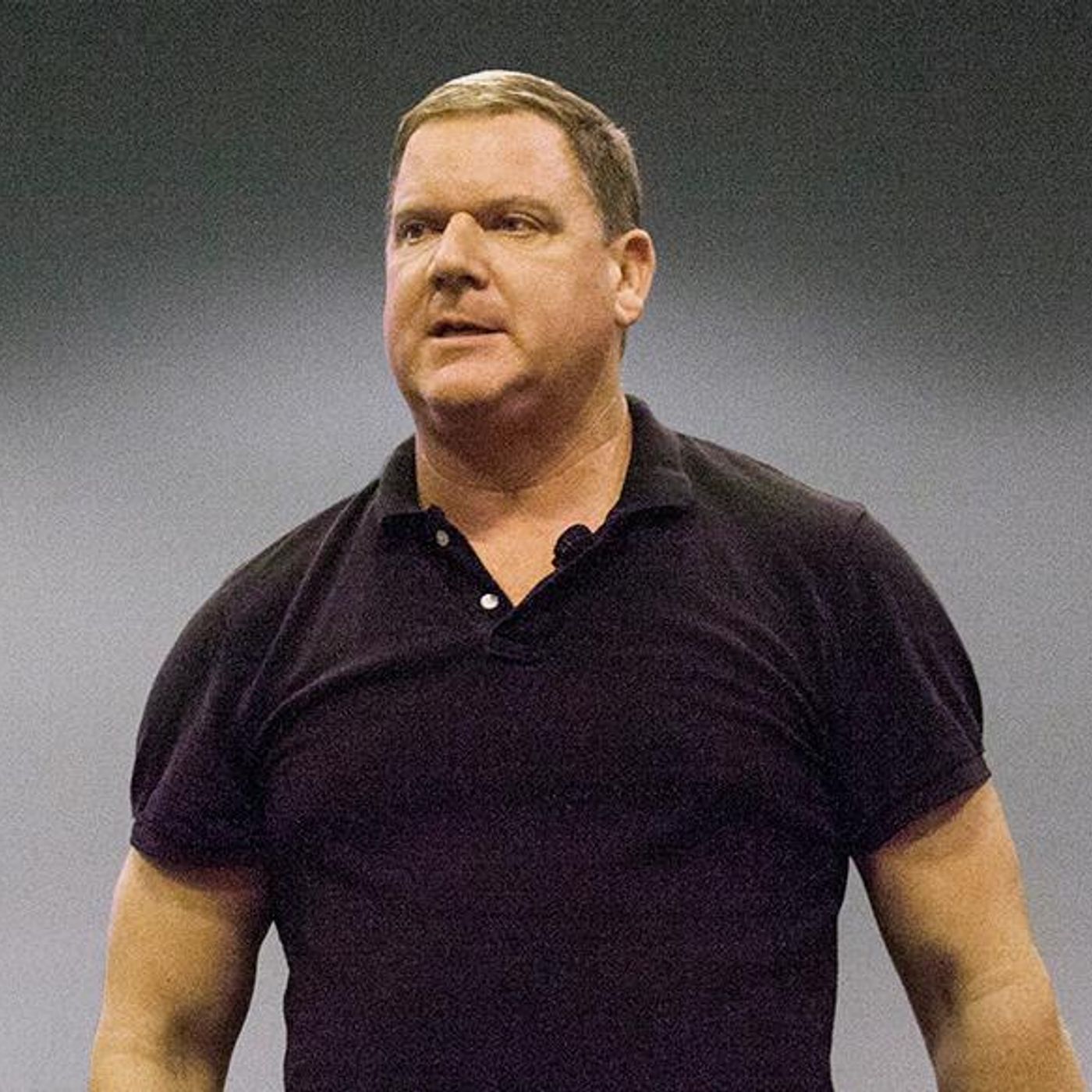
Strength principles for real-life training.
The Dan John Podcast turns listener questions into practical coaching lessons about lifting, walking, eating, injuries, and staying consistent. Its center of gravity is strength training, but the advice often widens into rules for ordinary life.
PRESS PLAY
The Dan John Podcast is built on a straightforward promise: listener questions come in, and Dan John answers them through the lens of strength training and lived coaching experience. The structure stays clean. One question may ask about kettlebell snatches, another about Mass Made Simple, another about loaded carries, fat loss, walking, sleep, injuries, or how to train when work and family crowd the schedule. The answers are rarely just exercise prescriptions. They move from the immediate problem to the principle underneath it, then back to something the listener can do on Monday. That makes the show practical without feeling mechanical. Dan John returns often to simple standards: walk more, lift consistently, eat enough protein, drink water, take recovery seriously, and stop making the basics harder than they need to be. The training vocabulary is real, with references to Easy Strength, Armor Building Formula, goblet squats, clean and press variations, suitcase carries, squats, deadlifts, presses, and kettlebell work. Still, the show does not require a specialist's tolerance for jargon. It explains by circling. A point may arrive through a high school football memory, a wrestling observation, a family motto, a movie aside, or a story about a lifter trying to make training fit real life. Some digressions wander, but they usually return to the same durable question: what actually helps a person get stronger and keep going. The result is less like a polished interview show and more like office hours with a coach who has answered many versions of the same human problem. It is especially useful for home lifters, busy parents, coaches, kettlebell users, and people trying to lose fat without losing their minds. The show has a low tolerance for magic solutions. It prefers experiments, rules of thumb, and honest tradeoffs. It also has a moral streak, especially around patience, courage after injury, and the humility to do small work for a long time. The Dan John Podcast is strength advice with a memory, a bias toward action, and a steady respect for consistency.
Made for: For lifters, coaches, home-gym regulars, kettlebell users, and busy adults who want plain advice on getting stronger without chasing every new trend. It also fits listeners who like training talk that connects to sport, family, work, injuries, and recovery.
What sets it apart: The show turns ordinary listener questions into broader coaching principles, using repeated examples and lived training stories instead of polished expert segments. Its value is the steady return to basics, not novelty.
Conversations on strength, health, fitness, life, coaching, and anything else that comes up. Dan John has spent his life with one foot in the world of lifting and throwing, and the other foot in academia. An All-American discus thrower, Dan has also competed at the highest levels of Olympic lifting, Highland Games and the Weight Pentathlon, an event in which he holds the American record. Dan has written 14 books and has been coaching for over 40 years. He is a wealth of knowledge and is happy to share it freely.
Based on 6 episodes we listened to · September 2026
Dan John turns listener training questions into practical decisions about strength, recovery, equipment, and the demands of ordinary life.
A training question rarely gets a bare prescription from The Dan John Podcast. Dan John works through listener problems as coaching decisions, weighing goals against equipment, age, family demands, recovery, and the effort someone can realistically sustain.
A strength question can lead Dan John to hide-and-seek, then back to your training.
Press play if you want
Short reviews from the PlayNext desk, based on the episodes we processed.
Question-led coaching on training choices, food habits, strength work, and daily consistency.
The Dan John Podcast's 347th episode works best as a practical coaching pass through a familiar question: does the work actually serve the outcome?
A lifting question becomes a practical, memory-rich case for adaptable programming, daily rules, walking, and modest coaching certainty.
Toby's question about adapting Mass Made Simple for Olympic lifting gives the episode its cleanest thread: how much mass work belongs in a sport built around speed, skill, and timing.
A grounded Q&A on starting light, building technique, and treating recovery as part of the plan.
The episode is built around a simple training judgment: start lighter than pride might prefer, repeat the work, and let progress arrive through better technique and sensible volume.
A loaded-carry question opens into a grounded reflection on sport, play, and technique as training that lasts.
Loaded carries give the episode its practical doorway, as Brian asks how to work them into apartment kettlebell training after the Armor Building Formula and an improved press.
A grounded coaching Q&A on home lifting, weight loss, life as sport, and useful reading.
Strength training is framed here less as a numbers chase than as a way to bring order to ordinary life. Isidro lifts at home with strongman sandbags, kettlebells, and bodyweight work while using Easy Strength for weight loss, and Dan John answers the concern about not practicing…
A Beast press question opens into a grounded episode about focus, habits, and sustainable strength work.
Episode 318 of The Dan John Podcast turns listener questions into a practical conversation about strength, focus, and habits that hold up beyond the gym.
A grounded coaching case for building strength without pretending real life can be arranged around training.
Episode 264 uses Shane's question about managing MS while trying to move from an office job back to truck work as a practical way into a bigger issue: what training can realistically support when life is already heavy.
Barbell coaching without the padding.

Practical strength, movement, and recovery coaching.

Strength talk with coaching substance.

Strength talk from the gym’s weird corner.
Dan John answers listener questions on strength training, hypertrophy, and longevity in episode 264 of his podcast.
Dan John answers a listener's question about tweaking a hybrid workout routine for an older athlete, discussing program design and common pitfalls.
Dan John answers listener questions on pressing the 48-kilo 'Beast' kettlebell, offering a four-day weekly program.
Dan John answers a listener's question about using burpees as punishment in sports and shares his coaching philosophy on discipline.
Dan John discusses adapting his mass building program 'Mass Made Simple' for Olympic lifting, emphasizing the benefits of high rep back squats.
Dan John answers listener questions about fat loss, kettlebell training, and building strength, starting with a question from Jasper about transitioning from double kettlebells.
Dan John answers listener questions about kettlebell training, loaded carries, and strength programming.
Dan John answers a listener's question about training without a sport, suggesting Easy Strength with walks for fat loss and discussing a hypothetical backyard games competition.
Dan John answers listener questions about the continuous cleaning press and other kettlebell training topics.
Dan John answers listener questions about fat loss programs, kettlebell vs barbell training, double kettlebells, and training with injuries, with a focus on high school athletes.
Dan John compares the Dan Martin Program Minimum and Easy Strength, advising on a park bench program with a 24-kilo kettlebell for fat loss and cardio.
Dan John answers listener questions about using kettlebells without ballistics, the 10,000 swing challenge, the armor building formula, and trap bar deadlifts.