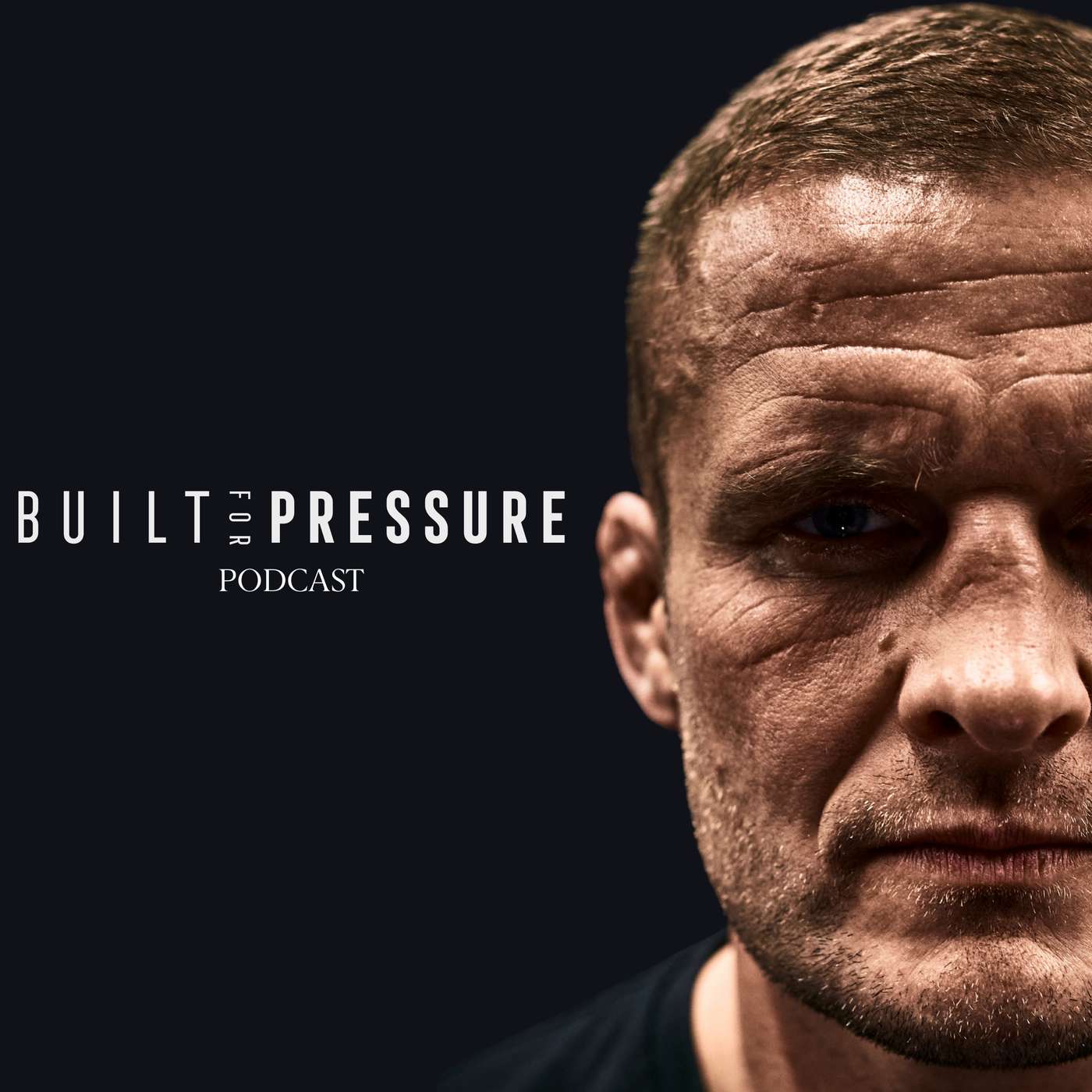
The Built For Pressure Podcast is a performance-coaching show for people whose ambition has started to outpace their operating system. It treats leadership as a full-body problem. Will Foden returns again and again to the idea that decision-making, energy, confidence, standards, and business outcomes are all tied to physiology, recovery, sleep, nutrition, and nervous-system load. The show is not gentle, but it is practical. Episodes often start with a sharp question about burnout, boredom, pressure, or flatness, then move toward a review process, a set of metrics, or a coaching challenge. The language is direct and urgent. There is little patience for vague high-performance language when a leader cannot explain what actually moved the needle in a quarter. A typical episode pushes past motivation and asks what is measurable, what is slipping, what is being tolerated, and what the body is already signaling. That makes the show useful for founders and executives who have achieved a lot but feel underpowered, scattered, or strangely detached from the work. It also has a strong athletic current. Rugby, Ironman, ultras, gym training, recovery, and coaching conversations are used as reference points for business performance rather than separate lifestyle material. The interview brings that lens into a training environment, where adaptation, consistency, and context matter more than random intensity. Solo episodes are more like live coaching notes. Foden talks through quarterly reviews, capacity indexes, burnout patterns, values, boundaries, flow state, and the difference between trying to control everything and building the capacity to handle what arrives. One episode turns a frightening missile and evacuation experience into a real-time discussion of acceptance, fear, standards, and mental toughness. The show can be repetitive by design. Key ideas circle back until they land: recover properly, measure the right things, stop white-knuckling performance, and stop borrowing processes that do not fit the person using them. Its edge comes from linking the boardroom to the body without sanding off the pressure. The result is a raw, coaching-led listen for high-output people who want sharper self-governance, not another polished productivity sermon.