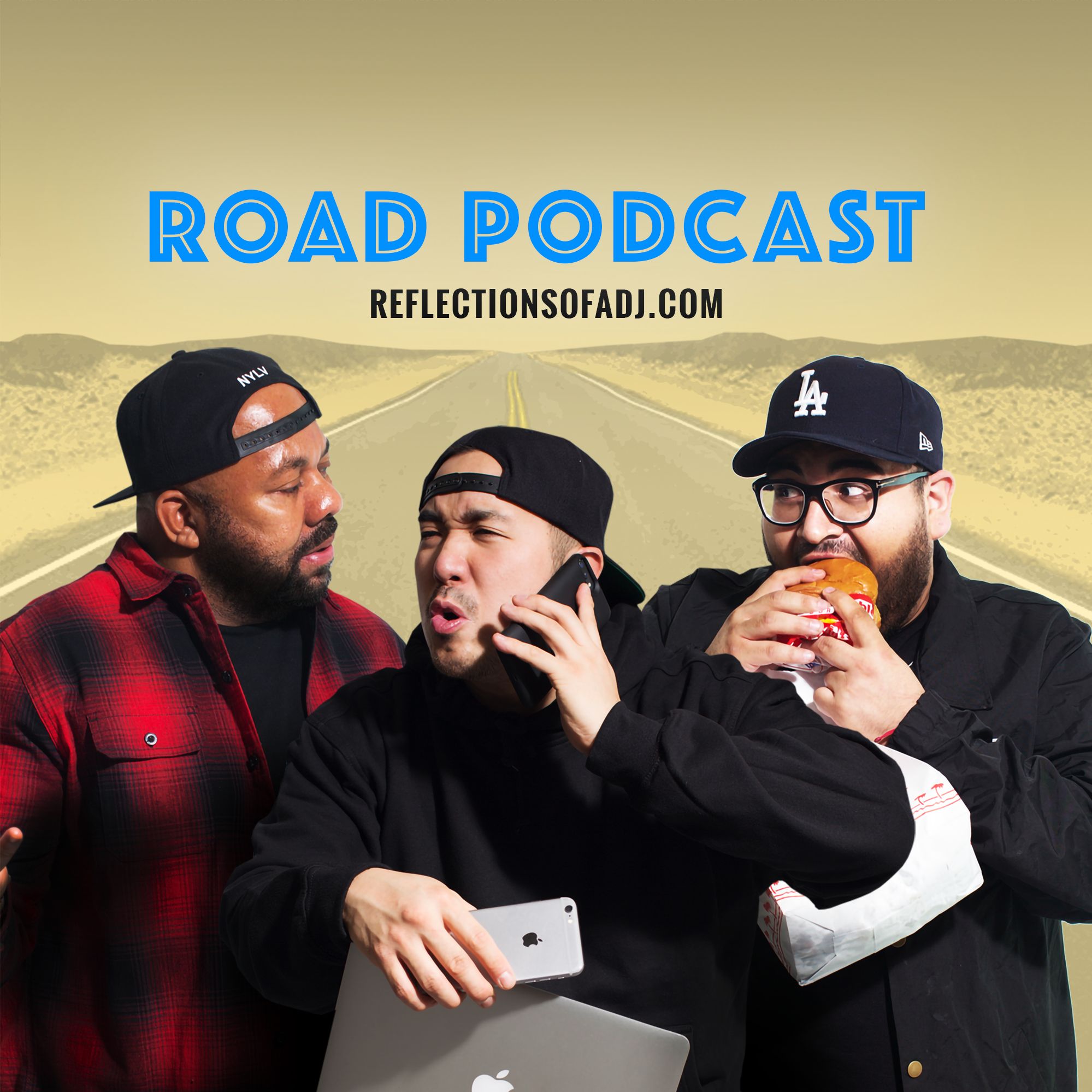
ROAD PODCAST is a DJ-culture oral history show with the energy of people talking shop after the room has cleared. It is fast. The value is in the specifics: the party names, the edits, the crews, the records, the cities, and the decisions that made a crowd move. Recent episodes spend real time with figures tied to LA rave culture, New York hip-hop production, festival DJing, San Diego nightlife, DJ community-building, and modern club survival records. The Richard Vision conversations are especially scene-rich, tracing early house parties, crews, Monster Massive, Together As One, and the technical discipline behind clean live mixes. The DJ Zimmie episode uses Level Up for DJs to talk about learning, networking, panels, after-parties, and the business of keeping a DJ community useful. The Stereotypes episode centers on “lifesaver records,” meaning the durable hits that work across clubs, weddings, corporate rooms, and other pressure moments. Buckwild’s appearance turns into a catalog conversation about New York sound, Biggie, D.I.T.C., Saigon, and the difficulty of ranking one’s own records. Rashad Smith’s interview digs into remix decisions, Biggie’s voice, club bounce, and how a record can need both radio polish and dance-floor weight. Laidback Luke brings the show into festival-era debates about craft, ghost production, pre-recorded sets, burnout, and the separation between DJing and producing. The Hickies and Dry Humps episode widens the frame to San Diego culture, sneakers, weddings, parties, and Filipino community movement. The show is not polished documentary narration. It is talkative, referential, and sometimes messy in productive ways. A memory opens a door, then another DJ in the room pushes for a date, a name, or a sharper version of the story. That conversational pressure is the point. ROAD PODCAST works best for listeners who already care about DJs, but it also rewards anyone interested in how local scenes become institutions. It is warm without being soft. It is reverent about craft without becoming formal. The recurring sponsor and channel reads can break the spell, but the tradeoff is access to long, granular conversations with people who rarely get this much room to explain the work.