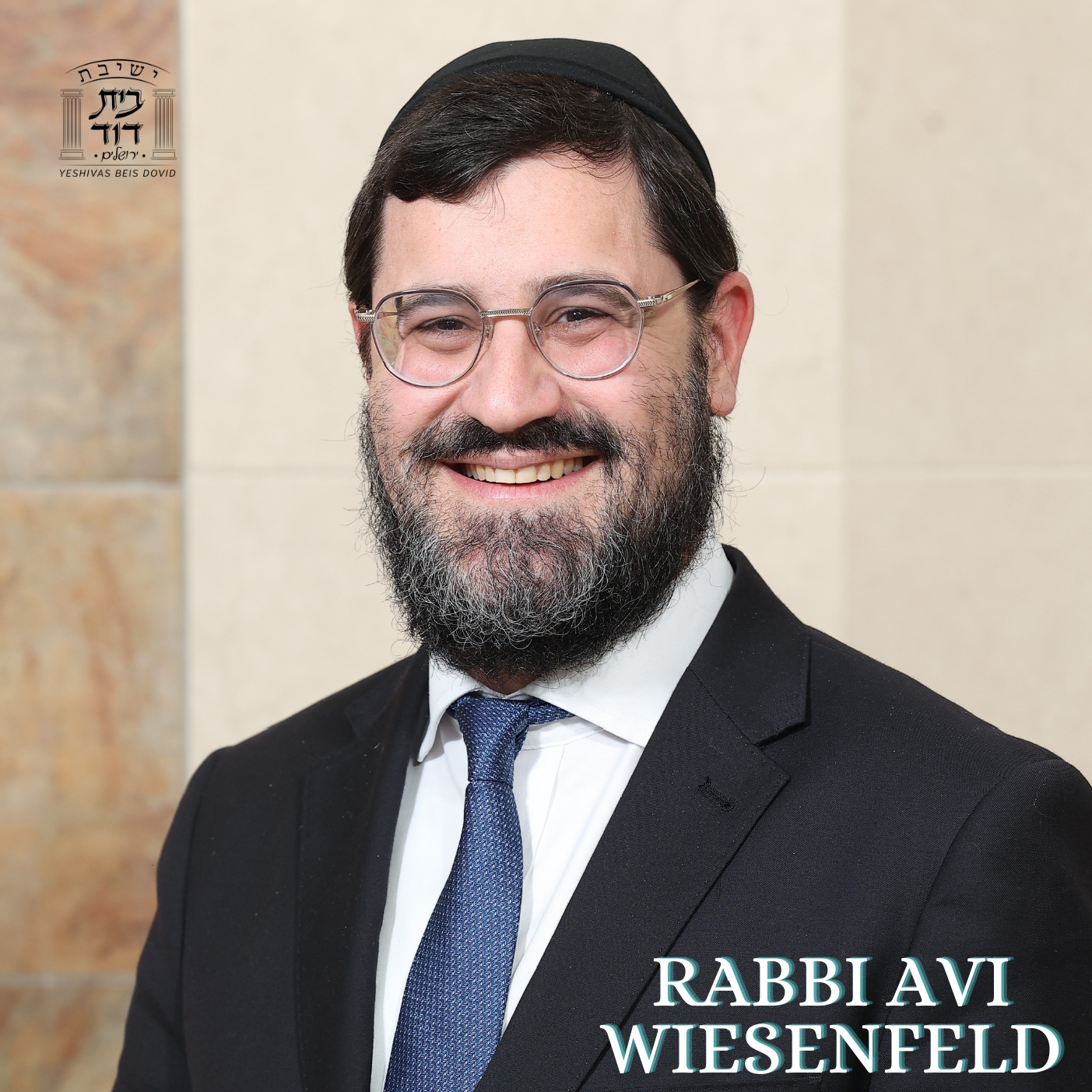
Rabbi Avi Wiesenfeld is a large Torah feed shaped by rapid shiur delivery, practical halacha, and parsha-based hashkafa. It wastes little time. The show often begins with an everyday scene: a Shabbos kitchen, a Seder table, a siren in Eretz Yisrael, or a person deciding whether to say the encouraging word. From there, the discussion tightens. Halachic episodes can move through Hatmana, heat sources, food inside food, baby bottles, hot water, crockpots, and the lines between Erev Shabbos and Shabbos itself. The style assumes the listener can follow terms like sugya, makor, nafka mina, and pasken. It also keeps bringing the learning back to ordinary life. That balance is the show’s engine. A technical question is not treated as trivia; it becomes a way to clarify how halacha works when families, kitchens, and timing pressures are involved. The hashkafa episodes are similarly concrete. Speech is framed not only as avoiding harm, but as using words for kindness and encouragement. Moshe Rabbeinu giving over the avodah to Aaron becomes a model for doing a painful task with strength. Shevi’i Shel Pesach becomes a lesson in moving forward when the sea is still in front of the people. Pesach preparation becomes less about spectacle and more about what the Seder is meant to form inside a home. Tanya learning carries a different texture, but the pace remains intense. It presses phrases, repeats core ideas, and returns to love of Hashem, bittul, Yetzias Mitzrayim, and the daily work of leaving constriction. The show also lets current danger enter religious reflection, especially in the episode that reads missile interceptions and the Iron Dome through the idea of hidden miracles. It is warm, but not soft. It is accessible to the initiated rather than simplified for beginners. Listeners looking for compact inspiration may find it demanding. Listeners who enjoy source-driven reasoning, oral repetition, and practical religious stakes will find a feed with momentum and weight.