
Topics / Judaism
Judaism Podcasts
575 shows and 166,440 episodes sit under Judaism.
Curated guide to Judaism podcasts in 2026: Daf Yomi cycles (R’ Eli Stefansky, Rabbi Aharon Sorscher), weekly parsha (KMTT, Parsha Podcast with Ari Goldwag)
Photo: Michael D Beckwith on Unsplash · Unsplash License
Swipe · Judaism only
Swipe through Judaism
Save time discovering your next favourite podcast by listening to just the best minute of an episode.
The judaism slate · every cover a link
All 575 judaism shows →







Before you press play
A listener's guide to Judaism podcasts
Some listeners want a teacher who will take them through one page of Talmud. Others want company on the drive home: two hosts deciding whether a family mezuzah story is law or superstition, or a father and daughter explaining why one of them moved to Israel. Judaism podcasts serve both. The distance between a fast legal class in Hebrew and Aramaic and a comedy that sets Pokémon beside the Book of Esther is about as wide as religious audio gets.
Much of the argument around these shows is about fit more than doctrine. In an August 2026 Reddit discussion, one listener admired a demanding show but wanted something lighter, and another valued a podcast mostly for the feeling of spending time with Jewish friends. A third-party snapshot of Apple's US Judaism chart, dated September 15, 2026, put a conversation about parents, estrangement and repentance first among trending episodes. For scale, Edison Research reported in March 2026 that 58% of Americans aged 12 and over consume podcasts monthly. That figure covers all podcasts, not Jewish ones alone.
So the useful question is what an episode asks of you. Some assume you can follow technical Hebrew at speed. Some ask you to make a commitment this week. Some just want you to laugh. The selection here is mostly in English, with some Hebrew. It leans toward traditional study, with Reform and cross-denominational conversation alongside.
A page a day


Daf Yomi, the practice of learning Talmud each day, drives a whole shelf of shows. Study Talmud with Rabbi Zajac moves at teaching speed. In Talmud: Chullin 8, a knife heated white-hot raises the question of whether a ritual slaughter is valid. The answer turns on the point that the blade's sharpness acts before its heat.

Talking Talmud is gentler about difficulty. In Hullin 82: Who's Tracking the Animals and Their Offspring?, the ban on slaughtering an animal and its offspring on the same day still applies after one of them is sold. The host admits the practical puzzle: "How he's going to find out about it, I don't know, right?" That candour makes an ancient legal world feel approachable without pretending it is close.
Thinking Talmudist Podcast · Rabbi Aryeh Wolbe pulls lessons from single passages. In Ep. 21 - When I Left Egypt [Pesachim 116a], Rabbi Wolbe says one of the hardest parts of the Seder is retelling the Exodus as if you were there, and describes sages who walked around the table with sacks of potatoes over their shoulders.

For law in codified form, Rambam - 3 Chapters a Day reads Maimonides' Mishneh Torah clause by clause. 9th Perek: Laws of Kidush Hachodesh works through the length of the solar year and nineteen-year cycles. Near the end, checking the arithmetic is left "as an exercise to the listener." R Yakov Frand on the Parsha also carries Talmud classes. In Sanhedrin 2B 1.04 (5-18-25), the rabbis relax the Torah's requirement to cross-examine witnesses so that lenders will keep lending. These rooms suit people already at home in the vocabulary. The Torah & Talmud Study page and the Halacha & Jewish Law page go further.
The weekly portion

The Torah is read in a yearly cycle of weekly portions, and shows divide sharply over how to take one. Jonathan Livi's The Parasha Podcast sounds like a class in progress, with participants cutting in. In Shemini 3 - (Year 1) - 5781, the deaths of Aaron's sons Nadav and Abihu arrive as "a surprising deviation from the script." Near the end, the class concedes it will have to analyse more on Sunday.
Parsha Review Podcast · Rabbi Aryeh Wolbe is tidier and summary-minded. 3.3 Parshas Shemini Review: Priesthood walks through the kosher laws and stops for a joke about finding gefilte fish in the ocean: "Just look for a fish with a carrot."

Deeper Look At The Parsha works more like a spoken essay. THE STORY WE CHOOSE TO TELL describes a field near Krakow where a Jewish cemetery was destroyed to build Plaszow. It goes on to frame the season this way: "Tisha B'Av commemorates catastrophe. Devarim teaches us how to survive catastrophe." The Jewish Holidays & Observance page gathers more of this seasonal material.
A synagogue's open classroom
Central Synagogue Podcast is the audio archive of a Manhattan congregation. Its feed includes a run of Yom Kippur 5787 sermons, among them SERMON: Rabbi Angela Buchdahl | "Claiming Zionism" | Yom Kippur 5787. The best way in is the Jewish Bookshelf series. These are live evenings hosted by rabbinic intern Rebecca Thau, in which a scholar explains one classic text and takes questions.
In PODCAST: The Jewish Bookshelf: Zohar with Sharon Koren, PhD - February 23, 2026, the guest recalls giving a Zohar class at a traditional synagogue. When she dated the book to Moshe de Leon in 13th-century Castile, three people walked out. She is asked about the academic hat and the religious one. PODCAST: The Jewish Bookshelf: Talmud with Rabbi Ethan Tucker, PhD - December 15, 2025 explains why folio numbers fixed in the 15th century still govern where commentaries sit around the Talmud text. The Jewish Bookshelf: Mayse-Bukh, Rabbi Joe Skloot, PhD links printing to the parent reading aloud at bedtime. The Jewish Thought & Spirituality page picks up the mystical thread.
Mysticism, mussar and the inner life

Kabbalah, the Jewish mystical tradition, gets advanced treatment on מקדש מלך | השער לפנימיות התורה. In סוד סדר עליית הבירורים עד בינה דא''ק | שער הברודים פרק א חלק 2 | אוצרות חיים למתקדמים, a participant protests that pieces of the account are missing. The answer is to read further. This is study for students, not an introduction.

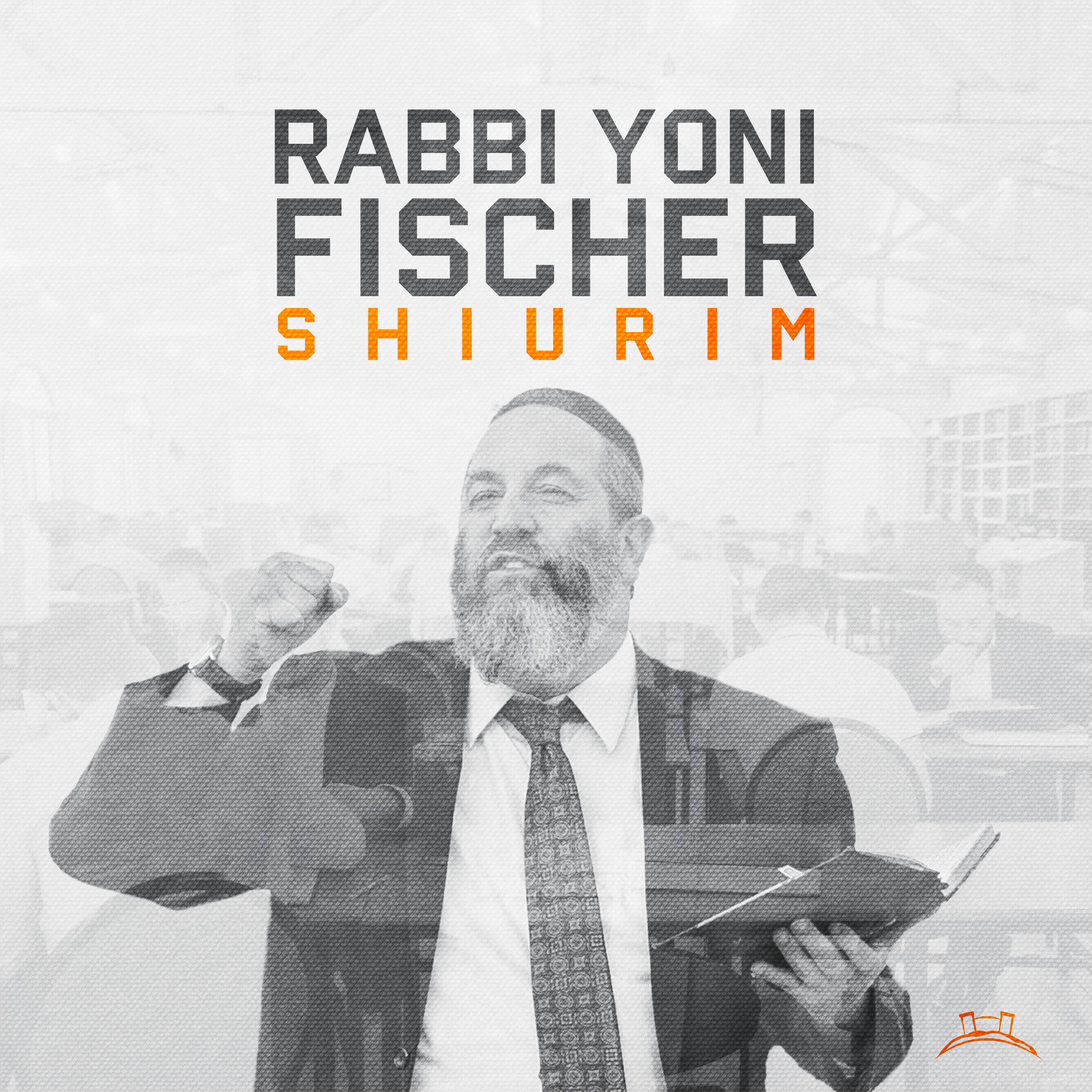
Mussar, the discipline of refining character, takes several forms. Toras Avigdor's Shemini 5786 - Anger and Self Control compares anger to dynamite: useful, but to be kept locked away. Near the end it sets a concrete task for the week. Rabbi Yoni Fischer Shiurim - Fischer’s Yeshiva is looser and live. In Don’t Bother Bringing The Furniture!! - [Bein Hazmanim Shiur], he tells a story and says, "Sorry that I'm not being clear. I'll have to look it up."

In Hebrew, הרב אילן גוזל - הערוץ הרשמי builds מי שמוותר מרוויח תמיד ובגדול | יום הזיכרון לחללי צה׳׳ל הי׳׳ד - תשפ׳׳ו around giving way. It includes a story of Rabbi Shach agreeing with his wife to take turns yielding, then never letting her have her turn. The lecture presents yielding as a source of blessing.

Empowered Jewish Living with Rabbi Shlomo Buxbaum brings therapy and Torah into one room. In R' Yakov Danishevsky: Healing the Inner Child Through Themes of the Haggadah and the Seder, a therapist guest finds a lesson about patience in a dry legal paragraph of the Haggadah. The Spirituality guide covers contemplative listening beyond this tradition.
Wisdom for tangled lives

Chutzpod! has Rabbi Shira Stutman and journalist Hanna Rosin take on listener dilemmas, and its publisher addresses people of all faiths or none. Ol' Dirty Money asks whether institutions may keep donations from people tied to Jeffrey Epstein. It weighs a Talmudic case about a stolen beam built into a house, then separates financial theft from moral depravity. In Bubbemeises, the hosts sort superstition from law and conclude that law wins because saving a life comes first. Then they call a mother for her mezuzah story.

Rise & Shine with Adrienne Gold Davis offers morning-sized lessons. How to Build a Peaceful Home: The Jewish Practice of Shalom Bayit includes a guest describing how she apologises to her children, and recalls a teaching that anger drives out wisdom first.

18Forty Podcast takes its time. David & Sydney Magerman: When a Child Makes Aliyah [Divergence VI 3/4] runs 84 minutes. A daughter explains deciding during her seminary year, asking herself "why wait?" Participants argue for Israel as the Jewish future, and the episode presents that as their view.
For the nerds

Torah Smash! The Podcast for Nerdy Jews pairs Jewish text with nerd culture. In Episode 105 - Pokemon: Blue and White, someone asks "what if the starting choices were God, Torah and Israel?" One host picks God. Episode 102 - SMASHBALLS: The Podcast reads Esther as a comically plotted story, from a king who leaves the villain alone with the queen to a genocide date chosen by lot.
Where to start
- First time on the daf: Talking Talmud, Hullin 82: Who's Tracking the Animals and Their Offspring?
- Want a seminar with an audience: Central Synagogue Podcast, PODCAST: The Jewish Bookshelf: Zohar with Sharon Koren, PhD - February 23, 2026
- Bringing a real dilemma: Chutzpod!, Ol' Dirty Money
- Ready for a long conversation: 18Forty Podcast, David & Sydney Magerman: When a Child Makes Aliyah [Divergence VI 3/4]
- In need of a laugh: Torah Smash! The Podcast for Nerdy Jews, Episode 105 - Pokemon: Blue and White
To compare traditions, the Religion & Spirituality category guide is the next stop.
Featured shows below are part of the PlayNext catalog. Updated weekly.
Featured shows
10 shows, described rather than listed
Each has a short write-up and a note on what it does best here.
Live beis midrash Daf Yomi: community announcements, Yeshivish-English code-switching, and daf content in the same stream. The warmest and most crowded entry on the slate.
Compressed yeshivish shiur that assumes halachic vocabulary from the first sentence. No banter, no warm-up. The densest Talmud entry on the slate.
Daf Yomi plus Parsha and Nach study. Faster-moving and more analytically precise than MDY; pastoral application sits alongside Talmud parsing.
Phrase-by-phrase Chumash study across seven daily episodes per parsha. Dense and momentum-driven, not devotional. Chavrusa-style pacing.
Rotating lecturers in a beit midrash tradition. Academic-register parsha analysis that brings scholarly-historical material into the weekly learning.
Midrash-saturated parsha shiur with a consistent redemption orientation. Warmer and more devotional than KMTT; theology-facing throughout.
Weekly 'Shayla of the Week' practical-law responsa. Contemporary commercial and minhag questions traced through poskim to a practical ruling.
Three perakim of Mishneh Torah per day on the annual Maimonides cycle. Patient, procedural, and clause-by-clause. The companion feed for Daf Yomi listeners.
Source-driven cumulative shiur: halachic problem, multiplied questions, close-reading resolution. Serious without being stiff; precise without shutting out plain speech.
Reform-movement sermons from a major NYC congregation plus a 'Jewish Bookshelf' scholarly-conversation series covering Zohar, Shulchan Arukh, and Yiddish literature.
Where to start
6 routes in, one per reader
*Daf Yomi Menachos Daf 98 by R’ Eli Stefansky* is the entry. Community announcements and daf content share the stream; the texture is live beis midrash.
*Menachos 72* is the entry. Assumes full halachic vocabulary; goes directly into competing sugya readings.
*Tazria-Metzora | The Unique Opportunity Afforded to the Metzora* is the entry. Scholarly-historical material alongside beit midrash analysis.
*Tazria-Metzora - Source of Growth* is the entry. Midrash-saturated, redemption-oriented, warmer than the academic-style shows.
*Shayla of The Week #194- When the Rental House Wasn’t Cleaned for Pesach: Who Is Responsible? The Pesach Airbnb Debacle in Orlando* is the entry. Contemporary question, full poskim chain.
*PODCAST: The Jewish Bookshelf: Zohar with Sharon Koren, PhD - February 23, 2026* is the entry. Academic-scholarship format not found elsewhere on this slate.
Glossary
Jargon you'll hear on Judaism podcasts
The global daily Talmud-study cycle that covers the entire Babylonian Talmud (2,711 pages / daf) over seven and a half years. Launched in 1923 by Rabbi Meir Shapiro; millions of Jews worldwide study the same page each day. The current cycle (cycle 16) runs 2020–2027.
The weekly Torah portion — one of 54 sections of the Five Books of Moses read in sequence over the Jewish year, completing the cycle annually on Simchat Torah. Parsha-study podcasts cover the week’s portion with commentary, Midrash, and contemporary application.
Jewish law derived from the Torah, Talmud, and rabbinic codes (Mishneh Torah, Shulchan Arukh). Halacha podcasts typically address specific practical questions (shaylos) through a chain of authorities (poskim).
The Five Books of Moses as a physical book or study text. ‘Daily Chumash’ study typically moves phrase-by-phrase through the weekly parsha across each day of the week, distinct from the once-weekly parsha shiur format.
A unit of Talmudic discussion — a topically coherent passage in the Gemara, sometimes spanning many pages, organized around a legal or conceptual question with multiple opinions and rebuttals.
A Torah class or lesson. In podcast contexts, ‘shiur’ typically implies an oral teaching in the traditional beit midrash style: source-driven, question-and-answer structured, comfortable with Hebrew and Aramaic vocabulary.