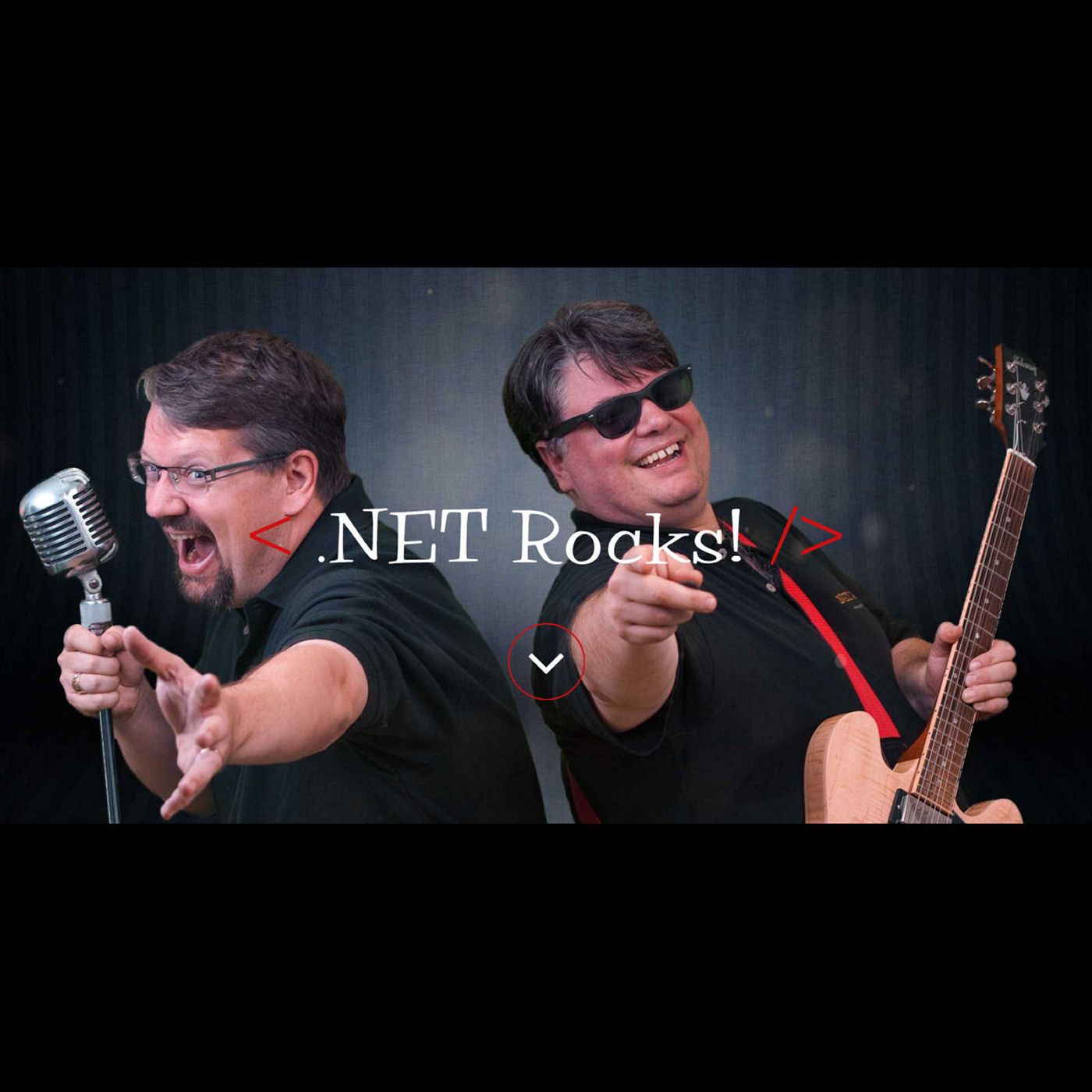
.NET Rocks! is a developer conversation show with deep roots in the Microsoft stack. It is built for people who already know that .NET is not just a runtime or a framework, but a long-running professional ecosystem with its own tools, conferences, debates, memories, and inside jokes. The format is loose but practiced. Carl Franklin and Richard Campbell appear in recurring openings, steer the setup, make room for guests, and keep the hour from turning into a product brochure. The pace is brisk. A show may begin with patron housekeeping, a listener callout, a conference note, or a historical detour before the technical center of gravity takes over. Recent topics are directly tied to working software teams. Source generators get treated as a real .NET design tool, not a novelty. ASP.NET Core and Blazor show up through a conversation with Daniel Roth. Visual Studio Code AI becomes a broader discussion about model behavior, coding agents, and how different systems approach context. GitHub in 2025 leads into Copilot-assisted review, pull requests, rushed developers, and the small mistakes humans make before code lands. DevOps is framed through community events, Azure development, cybersecurity, and generative AI sessions. Testing gets its own practical argument, especially around implementation details, databases, externally observable behavior, and business value. The show is not allergic to digression. That is part of its appeal. A year-in-history segment can sit beside a serious note about fatal events, and a testing conversation can veer into the difference between internal structure and user-visible contracts. The language is casual, sometimes blunt, but the assumptions are technical. Acronyms, product names, and architecture terms move through the conversation naturally, then get explained when the point needs it. It suits developers who want more than release notes. It is especially useful for listeners who like hearing experienced practitioners connect tools to habits, tradeoffs, team workflow, and the history around the platform. The ads and repeated sponsor material can be noticeable in some excerpts. The core show, though, is a fast-moving record of .NET culture as it keeps absorbing AI, cloud, security, testing, and modern developer tooling.