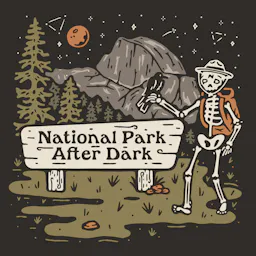
National Park After Dark treats public lands as places with memory. Parks and trails are not just backdrops here; they are active settings shaped by weather, terrain, policy, animals, visitors, violence, and loss. Danielle and Cassie anchor the show with a conversational rhythm that can start with jokes, dogs, snacks, or listener mail before shifting into something much darker. The format is flexible. A researched episode might follow the questionable death of Duncan McPherson in the Stubai Alps, where a family pushes against official explanations after a disappearance near glacier country. Another may trace the wartime removal of families to Manzanar, holding space for fear, heat, uncertainty, armed control, and the rupture of home. The Appalachian Trail episode uses statistics as a starting point, then refuses to let Claudia Brenner and Rebecca White become only numbers in an outdoor-violence report. That is a recurring strength. The show likes facts, but it keeps returning to people. Trail Tales episodes loosen the structure and let listeners send in family lore, uncanny encounters, park stories, and personal moments that can be funny, sad, angry, or strange. Those segments make the audience feel unusually present without turning the show into pure call-in chatter. Guest episodes add another gear, especially when Liz Crandall appears to talk about ranger work, public land advocacy, visitor education, and what is happening inside public lands. Not every episode is grim. The Acadia bad-reviews installment turns park culture into a comic roast, with complaints about popovers, parking, check-in chaos, and overworked literary comparisons. The Glacier Bay episode about Stikine shows the warmer side of the show, following a small dog through Alaskan expedition lore with genuine delight. Still, the title is honest. Death, disappearance, injustice, animal peril, haunting, and wilderness danger all belong to its regular weather. National Park After Dark is for listeners who want outdoor stories with personality rather than sterile documentary distance. It is researched enough to orient the listener, casual enough to feel human, and serious enough to know when a trail story has stopped being funny.