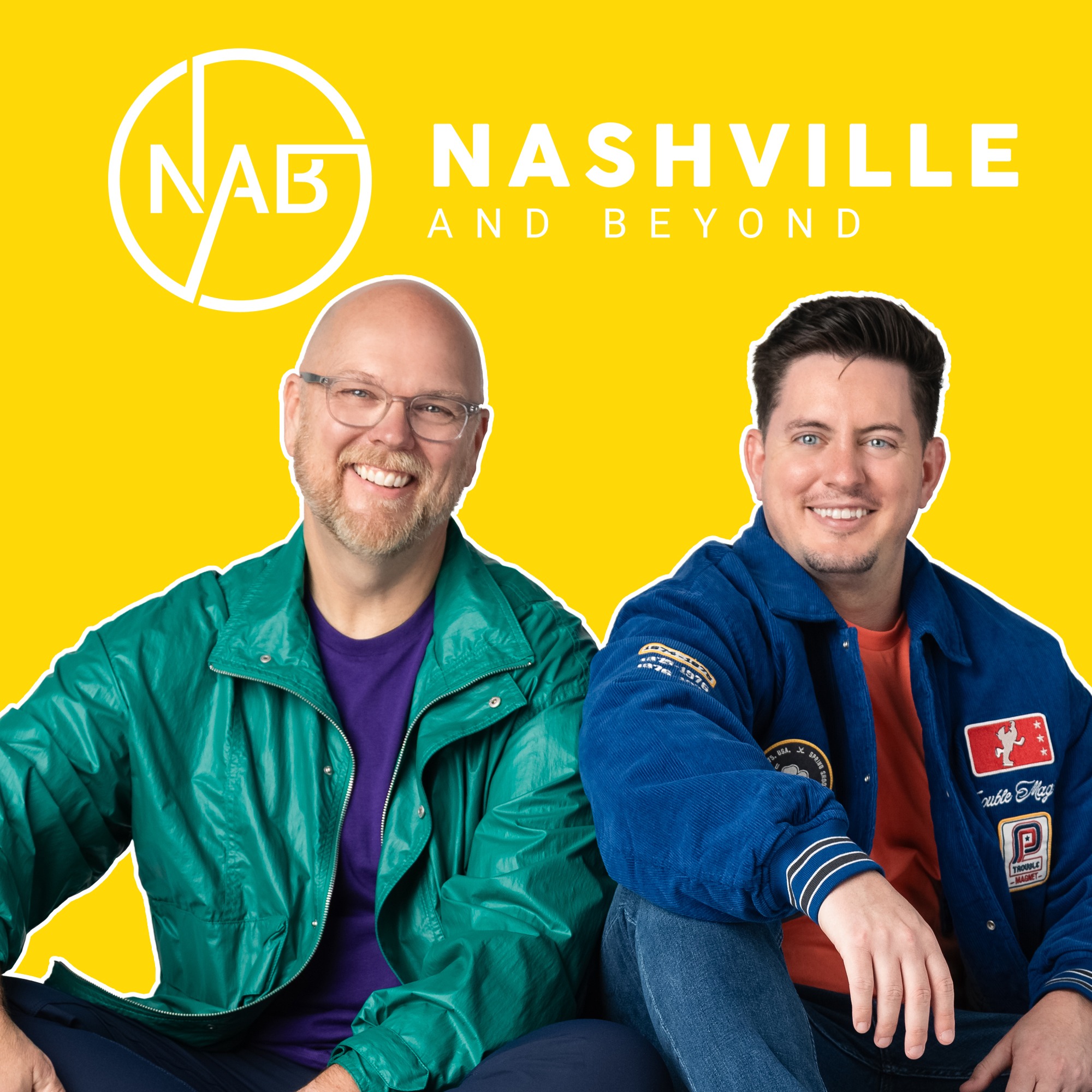
Nashville and Beyond is a conversational local-life show rooted in Middle Tennessee. Brian Copeland and Zach Copeland bring a father-son dynamic that makes the real estate frame feel personal rather than transactional. The show talks about homes, properties, neighborhoods, and the details that shape where people live. But it rarely stays inside a clean business lane for long. A landscaping episode can become a story about COVID-era free time, childhood impressions of a garden, and the way plants change a property's feeling. A museums episode can move from family vacation habits to Nashville institutions, D.C., Thailand, history, culture, and why some people need objects and places to make the past visible. Theater brings out early memories of TPAC, My Fair Lady, East Tennessee school trips, and the pull of a stage experience that stays with a person. Travel opens into family airport stories, solo freedom, planning stress, Hawaii beaches, and the wider view that comes from leaving home. The holiday episodes show the show's emotional range. April Fools is loose, mischievous, and full of prank talk, including absurd Facebook Marketplace exchanges. Easter is quieter and more serious, connecting family tradition, faith, gratitude, hard seasons, and the idea of beginning again. The show can be silly without flattening the people in the room. It can also be earnest without turning formal. Episodes on quilts and QuiltCon show real curiosity about niche creative communities, expensive machines, craft commerce, and the way a convention can make a small world feel enormous. The RuPaul's Drag Race episode treats drag as fandom, spectacle, shared memory, and pride, with DragCon stories, favorite queens, and the thrill of being close to a pink-carpet moment. Nashville and Beyond works best for listeners who like local culture filtered through lived experience. It has the pace of a family table conversation. It circles, remembers, jokes, corrects itself, and keeps adding detail until the point lands. The differentiator is that real estate is not separated from ordinary life; property, place, faith, art, family, travel, and identity all sit in the same conversation. That makes the show feel less like a guidebook and more like an ongoing record of how people attach meaning to Music City and the world beyond it.