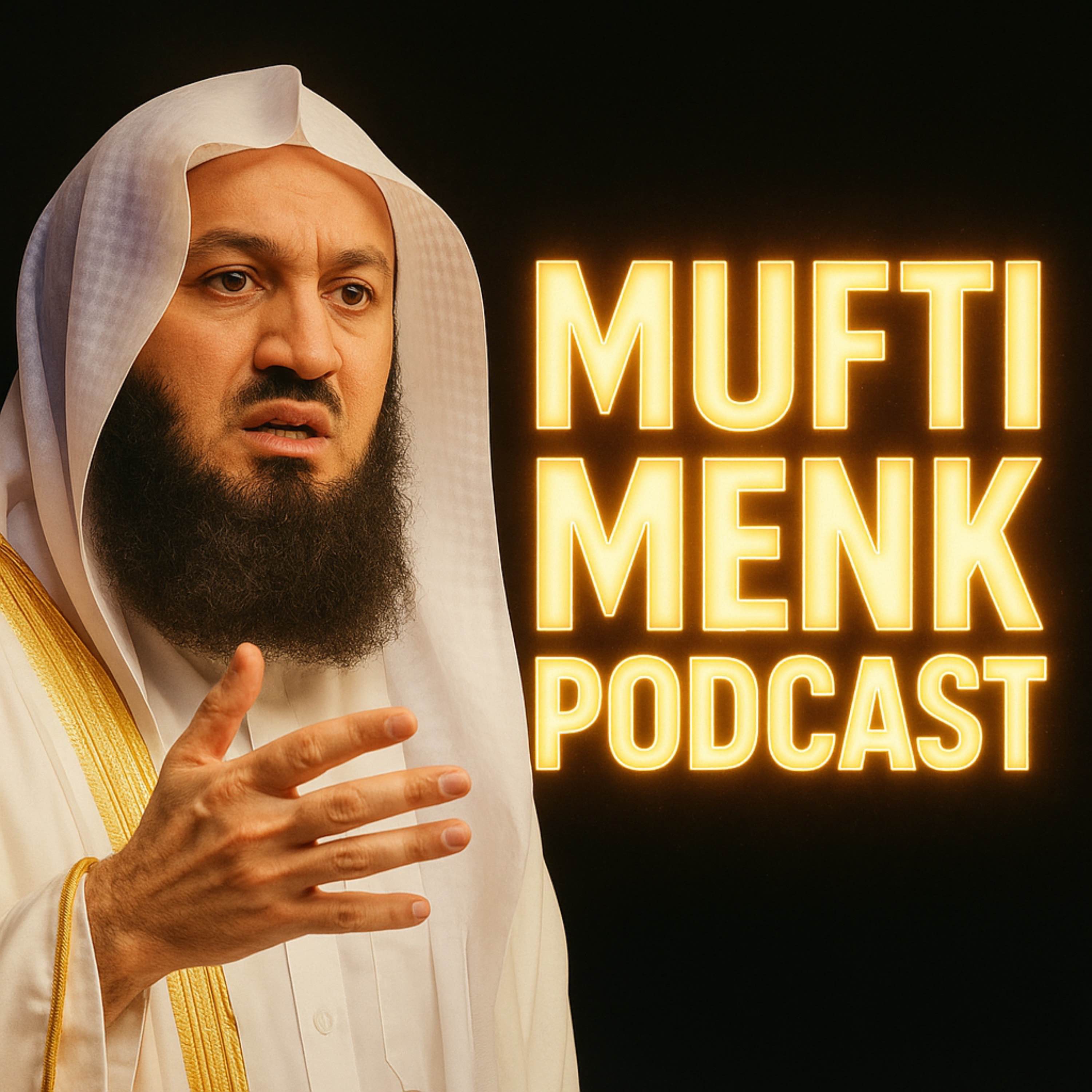
Mufti Menk Podcast presents Islamic reminders in the cadence of a live lecture, with faith applied to the pressures people carry into homes, families, marriages, hospitals, and community spaces. The voice is warm. It is also firm. Episodes return again and again to the idea that belief is measured in behavior: how people greet others at the masjid, how they speak to children, how they treat relatives, and how they respond when their pride is tested. A lecture on community argues against the fantasy of a purely private life, placing patience with people at the center of spiritual growth. A reflection on Maryam turns false accusation into a lesson about silence, restraint, and trust in Allah when reputation feels impossible to defend. Family problems are handled with directness rather than abstraction. Parents are urged to empower children with good words. Siblings are warned not to let wealth, jealousy, or spouses break ties that should be protected. Marriage episodes move into sensitive ground without losing the pastoral frame, asking what responsibility means, where leadership becomes arrogance, and how pre-marriage expectations around appearance can become a source of conflict. The in-law material is similarly practical. It acknowledges toxic situations, but also makes room for the real benefits of extended family when the relationships are healthy. The show is not polished into distance. It uses concrete examples, small jokes, repeated imperatives, and familiar Islamic language to keep moral questions close to the listener's daily life. Appearance and self-worth form another recurring thread, especially in episodes about makeup, filters, blemishes, and the pressure to seem perfect. These talks do not treat vanity as a shallow issue. They connect it to gratitude, identity, mercy toward the next generation, and the danger of becoming trapped by performance. Even illness becomes a spiritual opening, as in the story of an appendicitis procedure that unexpectedly leads to marriage. The show works because it rarely stays theoretical for long. A verse, a story, or a term such as jama'ah or qawwam quickly becomes a question about what someone should do tomorrow morning with a spouse, child, sibling, relative, or stranger at the masjid. For listeners seeking Islamic teaching that is intimate, practical, and morally insistent, it offers a large library of reminders shaped around ordinary life.