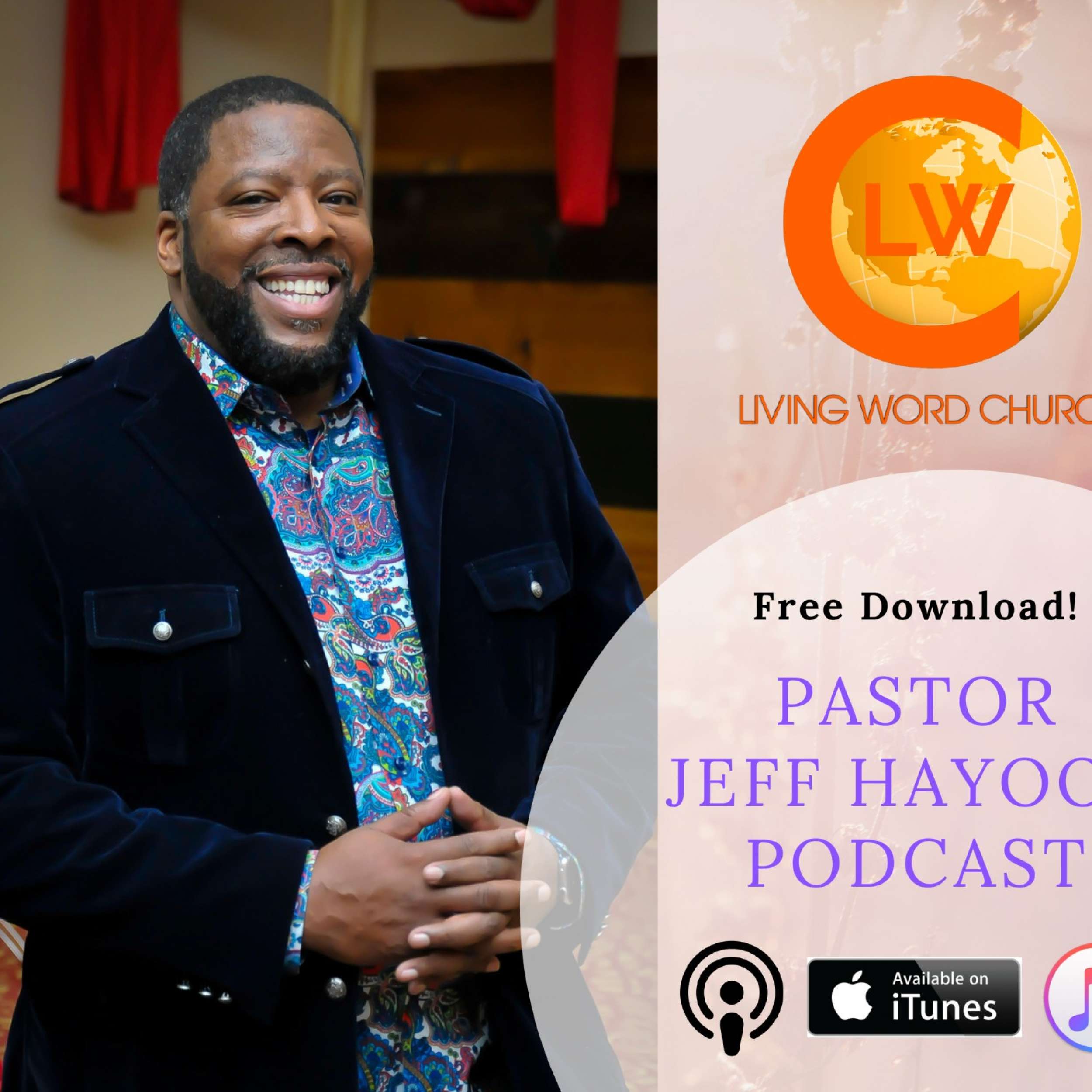
Four hundred-plus episodes in, this podcast is doing exactly one thing: putting a congregation's teaching and worship where anyone can hear it. The Wednesday Bible study is the spine. It moves through a book in order, one chapter at a time, refusing to jump to the famous passages. Matthew is the current road. Chapter one covered the genealogy and how it fulfilled prophecy. Chapter two moves to Jesus' early life and the things the teacher wants to draw out of it. The teacher is candid about where the difficulty sits. Biblical history is easy enough to follow, he says, but hard to turn into practical application, and that gap is the work of the session rather than something glossed over. The service recordings carry a different weight. Under the banner Living by the Word, messages take a single idea and stay with it for the length of the service. Unity gets treated as a discipline rather than a slogan, with the pointed observation that doing your own thing well is individuality, not unity. Faithfulness in what is least gets read out of Luke 16, with the contrast held up carefully: not faithful versus unfaithful, but faithful versus unjust. Passion gets illustrated with a story about a man who stopped striking the ground too soon. One session drops teaching altogether and becomes a spiritual gifts assessment instead, 135 questions, self-scored, with an advance apology that the wording is not as clean as it could be. Music is not an afterthought here. Recordings often open with a stretch of congregational singing, praise choruses about healing in the name of Jesus or shaking off heavy bands. Prayers are long and unrehearsed, addressed directly rather than performed, and they sometimes turn to bless one member of the congregation. The pastoral posture is stated outright: never frame a message from the negative, coach rather than beat, and send people away knowing that God loves them and their pastor does too. Occasional asides slip in about a marriage of 33 years and a men's fellowship the day before, which locate the teaching in an ordinary week rather than a studio. Production is minimal and the room noise stays. Episodes close with the ministry's own housekeeping, an invitation to share the recording and to consider supporting the work. It suits listeners who want the full shape of a service rather than a polished highlight, and who are willing to sit through the singing to reach the study.