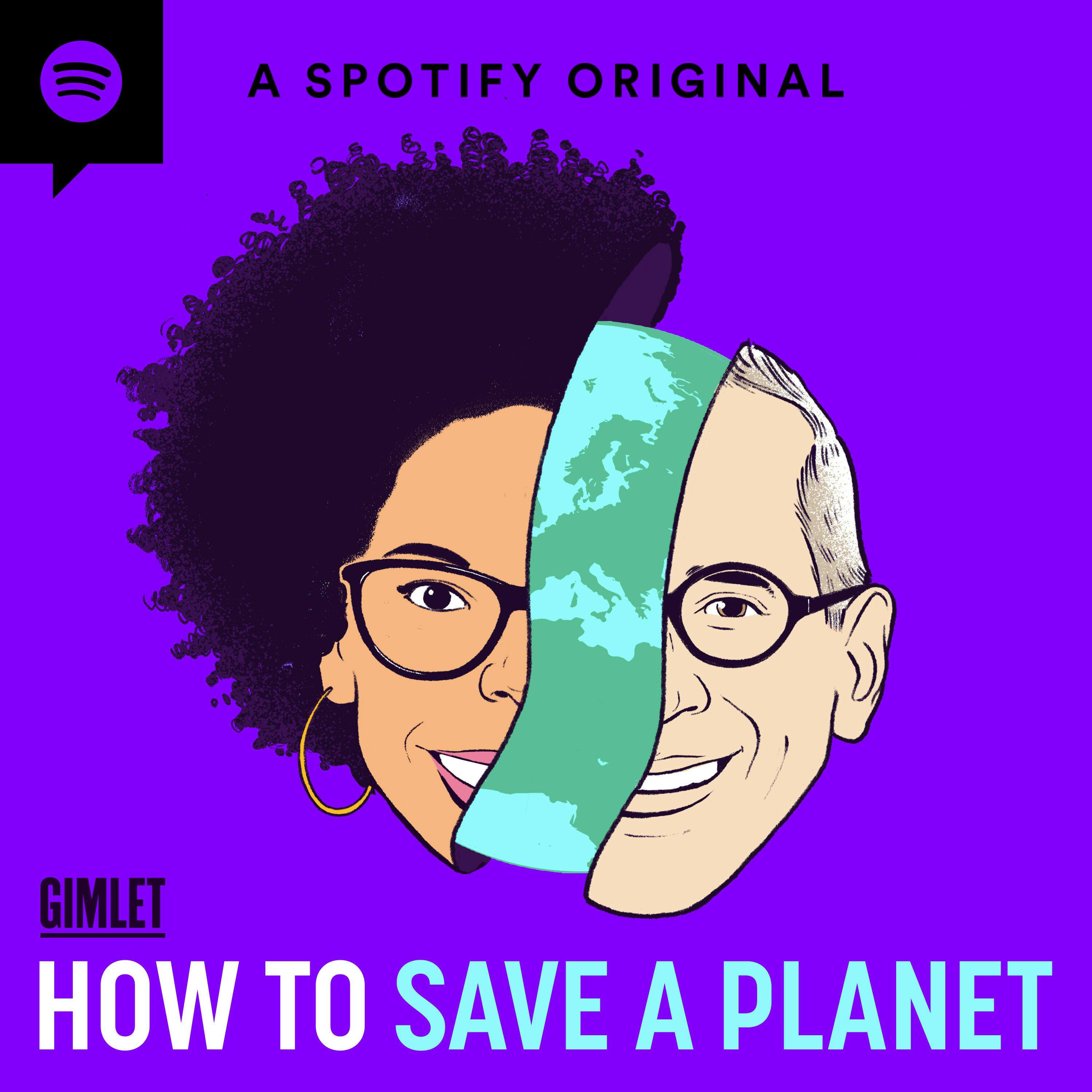
How to Save a Planet is a climate show built around action, but it is careful about what kind of action counts. Dr. Ayanna Elizabeth Johnson and Alex Bloomberg keep the conversation lively, curious, and sometimes nerdy, while aiming it at the big levers behind emissions and adaptation. The show is not especially interested in scolding people into smaller individual choices. It is more interested in power. That means carbon footprints get tested against corporate messaging, BP-style calculators, transportation, refrigeration, and the much bigger math of emissions cuts. Wildfire episodes move past familiar panic and toward fire policy, Forest Service practice, light burning, and Native American communities pushing for older land-management knowledge to be taken seriously. Farming episodes look under the crops, literally. Soil becomes a climate actor, with regenerative techniques presented as both new and old, practical and reflective. The show also spends time on labor and organizing, following Emily Cunningham and Eliza Pan as Amazon workers use a shareholder resolution to shift internal culture around climate impact. It can be playful about white papers, Venn diagrams, and the absurdity of climate town hall formats. Then it can turn sharply serious. Episodes touch migration after climate disasters, undocumented recovery workers, Gulf Coast rebuilding, Indigenous knowledge, colonial systems, and the moral weight of who is asked to adapt. That range is part of the appeal. The hosts let guests and reported scenes carry real emotional force, but they keep returning to the question of what can be changed next. Some episodes are policy-heavy. Others are farm visits, listener mail, or shared conversations from other climate shows. Across formats, the show treats the audience as capable of following complexity without losing the thread. It is warm, direct, and allergic to climate helplessness. The result is climate coverage for people who want more than awareness, but who also want the route from concern to leverage explained in plain language.