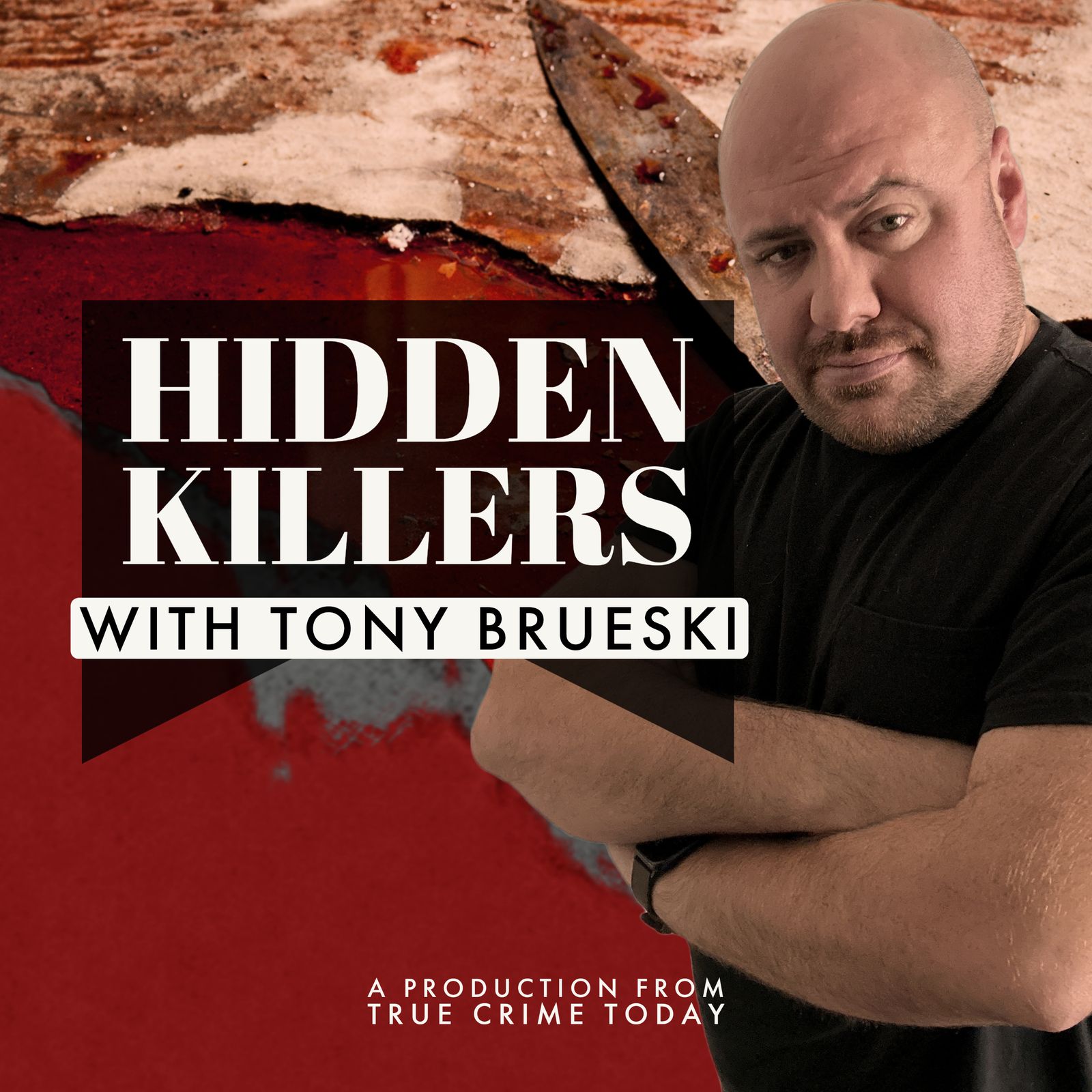
Hidden Killers With Tony Brueski is a true-crime news and commentary show centered on cases where violence, secrecy, and systems of power overlap. It works from public allegations, indictments, lawsuits, family statements, investigative details, and on-air discussion. The recent material points to a show with several recurring lanes: Gilgo Beach, Duggar family controversies, IBLP, Larry Millete, Anna Kepner, and contested homicide investigations. The voice is not detached. It presses hard on the gap between what people knew, what institutions did, and what victims or survivors were left to carry. Some episodes take a documentary-style path through alleged timelines and legal developments. Others become direct arguments about coercive control, religious authority, family silence, and the cost of leaving closed systems. Children and vulnerable people are treated as the moral center of many segments. The show repeatedly returns to ignored warning signs. It also spends time on the aftermath: surviving, rebuilding, filing lawsuits, going to court, or trying to make sense of official failures. Legal qualifiers matter here. The show refers to allegations, indictments, uncharged relatives, denials, and limits on what is known. That caution sits beside a much hotter editorial register. The commentary can be blunt, personal, and openly angry. It also uses conversational side roads, promotional breaks, and live back-and-forth rather than a polished single-narrator documentary style. Named participants appear in the live format, and law-enforcement guests appear in the excerpts. The show is at its clearest when connecting individual cases to larger patterns of control and silence. It is less about mystery-box suspense than accountability. It suits a listener who wants current true-crime stories framed through consequences, not just clues. The tone is forceful, sometimes irreverent, and focused on what systems allowed to happen.