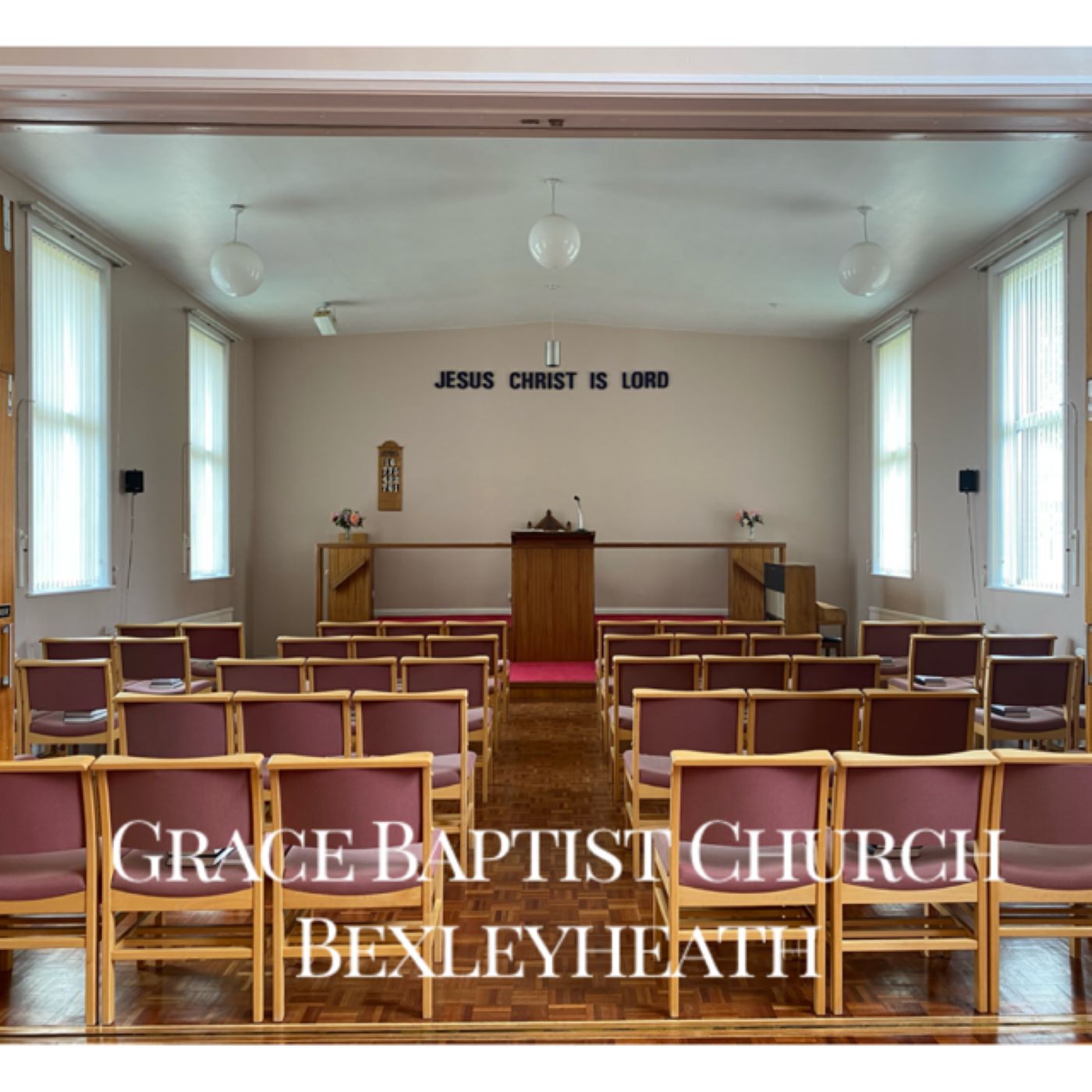
Grace Baptist Church Bexleyheath is a substantial archive of Christian preaching shaped by Scripture, doctrine, and pastoral appeal. It is not a chat show. The feed carries sermons and midweek teaching that move with deliberate structure from a question in ordinary life into a close reading of the biblical text. Evil is considered through Job. Danger and rescue are traced through Esther. The cross is approached from several angles in Isaiah 53 and Galatians, with attention to suffering, peace, weakness, triumph, and boasting only in Christ. The preaching is formal without being detached, and its seriousness comes from the subjects it keeps returning to: sin, judgment, wrath, rebellion, substitution, resurrection, deliverance, and the mercy of God. Short phrases land with force. Longer sections build in careful, rhythmic explanation as passages are read, repeated, and applied. Recent sermons draw on Tolkien’s monsters, the language of safe spaces, Neville Chamberlain and wartime peace, COVID restrictions, public ideas of strength, and childhood memories of Muhammad Ali as concrete entry points. Those examples do not become the center. They serve the exposition. The center remains Christ. The sermons repeatedly present Jesus as the servant of the Lord, God in human flesh, the one who suffers in the place of sinners and brings his people through danger, death, and judgment into peace. The feed assumes the Bible is one story from Genesis to Revelation. It also assumes that hearing doctrine is not enough unless belief changes worship, humility, care for others, prayer, evangelism, and daily obedience. The style is direct. It can be grave. It can be warm. It does not soften traditional theological language when speaking about hell, wrath, guilt, or human corruption. At the same time, the pressure is pastoral rather than theatrical, with repeated invitations to notice, understand, believe, and respond. Grace Baptist Church Bexleyheath suits listeners looking for sermon-length biblical teaching with a clear biblical emphasis, especially those drawn to Christ-centered readings of the Old Testament and cross-focused preaching from the New Testament. Its distinctiveness lies in its patient, diagnostic movement from modern anxieties to ancient texts, and from ancient texts back to the claims of Christ crucified and risen.