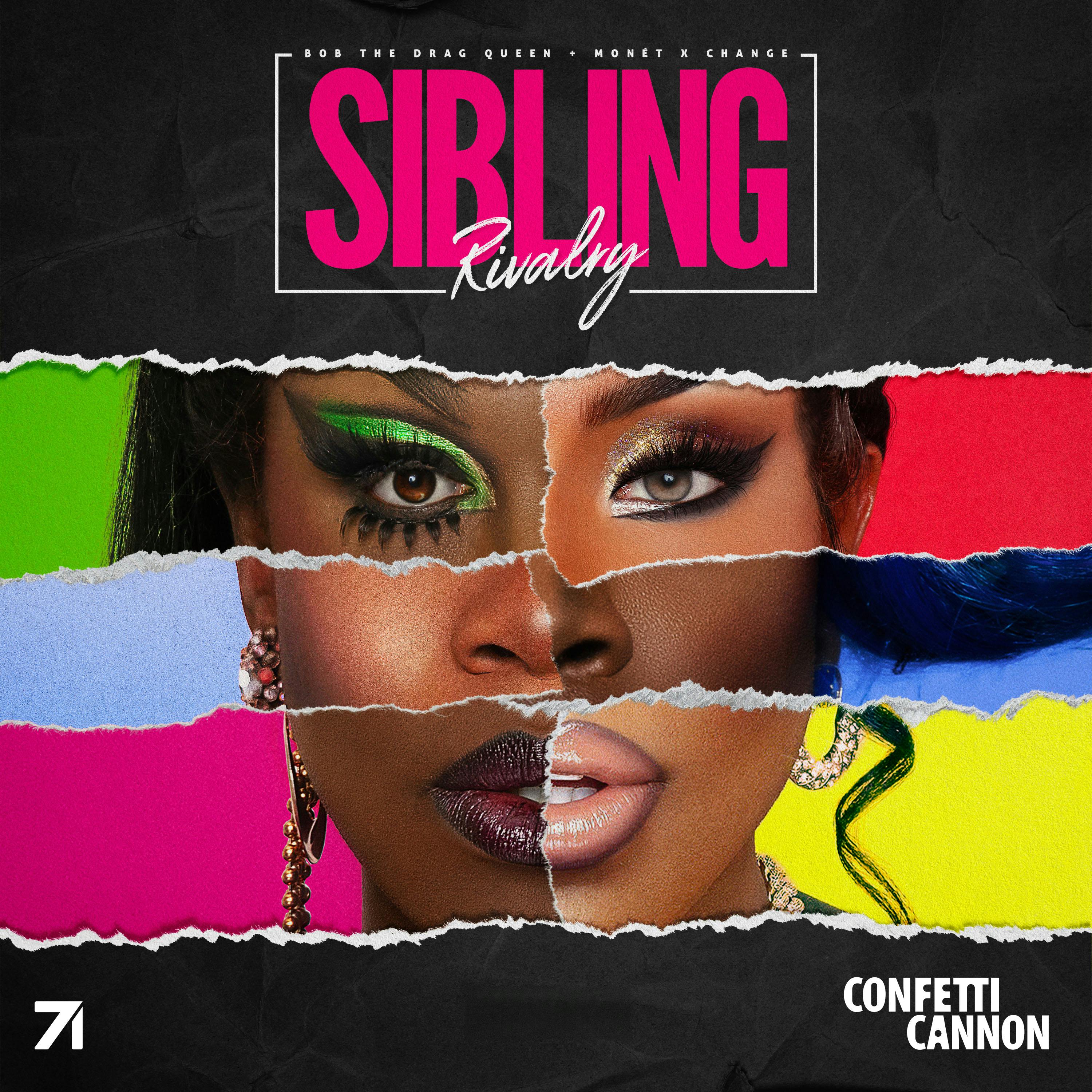
Good One is an interview show about performance as work, not performance as magic. Its strongest episodes start with something concrete: a role, a special, a match, a prank, a book, a scene, a public reinvention. Then the conversation starts asking what that thing cost and what it revealed. The show is especially fluent in comedy, but it does not treat comedy as a small room. Wrestling character work, drag persona, food television, late-night hosting, sitcom acting, drama dialogue, and stand-up trauma all sit inside the same broad question of how people build a public self. The tone is casual without being careless. Guests are allowed to wander, contradict themselves, joke around, and remember odd details before the conversation tightens again around craft. Becky Lynch’s discussion of kayfabe and WrestleMania becomes a way to talk about character and fame. Bryan Cranston’s stories from acting open into timing, improvisation, and the weirdness of a working life. Chelsea Handler’s career becomes a study in bravado, therapy, burnout, and returning to stand-up with a different relationship to work. Eric André’s prank talk puts chaos beside planning. John Slattery’s Mad Men memories turn funny dialogue into a question about defense mechanisms. Taylor Tomlinson’s reflections on religion and stand-up bring anger, shame, and artistic evolution into the same room. Padma Lakshmi’s food-world stories connect taste, authority, and the desire to build something lasting. Bob the Drag Queen’s episode considers drag, persona, negativity, clothes, and the gap between dressing up and inventing a character. The show is not tidy in a press-junket way. It likes the stray aside because stray asides often expose the real subject. Good One is best when a guest’s polished public story gives way to a more useful answer: what changed, what still hurts, what got funnier, and what the work now demands.