A brisk history of dieting that ties body ideals to politics, dress reform, and Kate Chopin.
Eddie and Una present this replay as a compact history of dieting, moving from slim thick and heroin chic to corsets, dress reform, and Kate Chopin.

PRESS PLAY
A science-based, humor laced approach to health and fitness. With the help of top researchers from the health and wellness fields, Juna Gjata and Dr. Eddie Phillips break down the science behind good nutrition, exercise, stress, sleep, and more. Includes a generous helping of sarcasm (Juna), dad jokes (Eddie), and pristine sound design (our awesome producers).
Based on 6 episodes we listened to · September 2026
It makes health research usable by pairing concrete explanations with candid questions about habits, bodies, food, and the claims surrounding them.
Food, We Need To Talk turns broad health questions into conversations that begin with lived stakes and move toward usable explanations. Juna Gjata and Dr.
That influencer who films herself waking up has met her match: your actual circadian clock.
Press play if you want
Short reviews from the PlayNext desk, based on the episodes we processed.
A brisk history of dieting that ties body ideals to politics, dress reform, and Kate Chopin.
Eddie and Una present this replay as a compact history of dieting, moving from slim thick and heroin chic to corsets, dress reform, and Kate Chopin.
A friendly brain-and-food conversation that makes the gut-brain link feel practical.
This episode frames food as more than a weight or energy question and keeps the brain at the center of the discussion. The hosts stay loose and playful while the guest explains the gut-brain connection in plain terms, leaning on the body’s messaging systems and gut microbes to…
A clear, shame-free diabetes primer that makes risk easier to understand.
Food, We Need To Talk treats a diabetes episode as practical reporting, not abstraction. It lands just before World Diabetes Day, and that timing gives the piece an immediate edge: Yuna talks about her mom's type 2 diabetes and her own rising blood sugars, then walks through the…
A warm guest swap about New Year’s habits, with a practical stretch routine as the clearest takeaway.
This episode keeps an easy rhythm through a guest swap with the Diabetes Digital Podcast, bringing together two podcast duos with shared energy.
A happiness conversation that favors meaning over measurable things.
This holiday replay keeps its focus on a familiar tension: money and objects are easy to pursue, but they do not amount to a good life. The discussion opens into the values young people absorb, the habit of tying success to wealth, and why the science of happiness belongs in the…
A focused reset on morning light, bedtime screens, and circadian rhythm.
New Year's morning-routine coverage can easily become overdone, but this episode keeps its attention on light, timing, and how the day begins.
The Atlantic's family-and-community interview franchise, from adult estrangement to midlife reinvention.


Applied health science for serious coaches.
Daily tech news with London consequences.
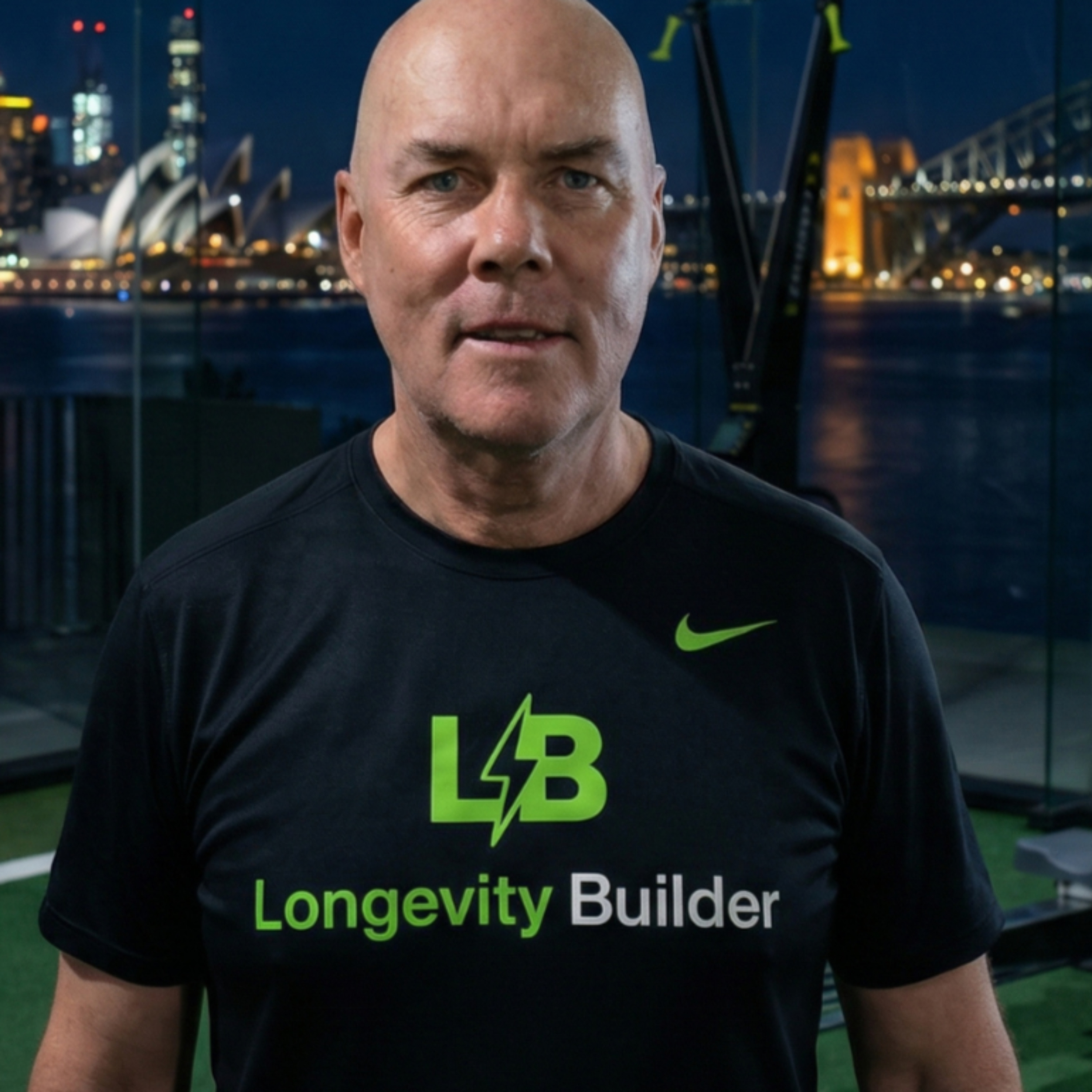
Build longevity through oxygen efficiency.
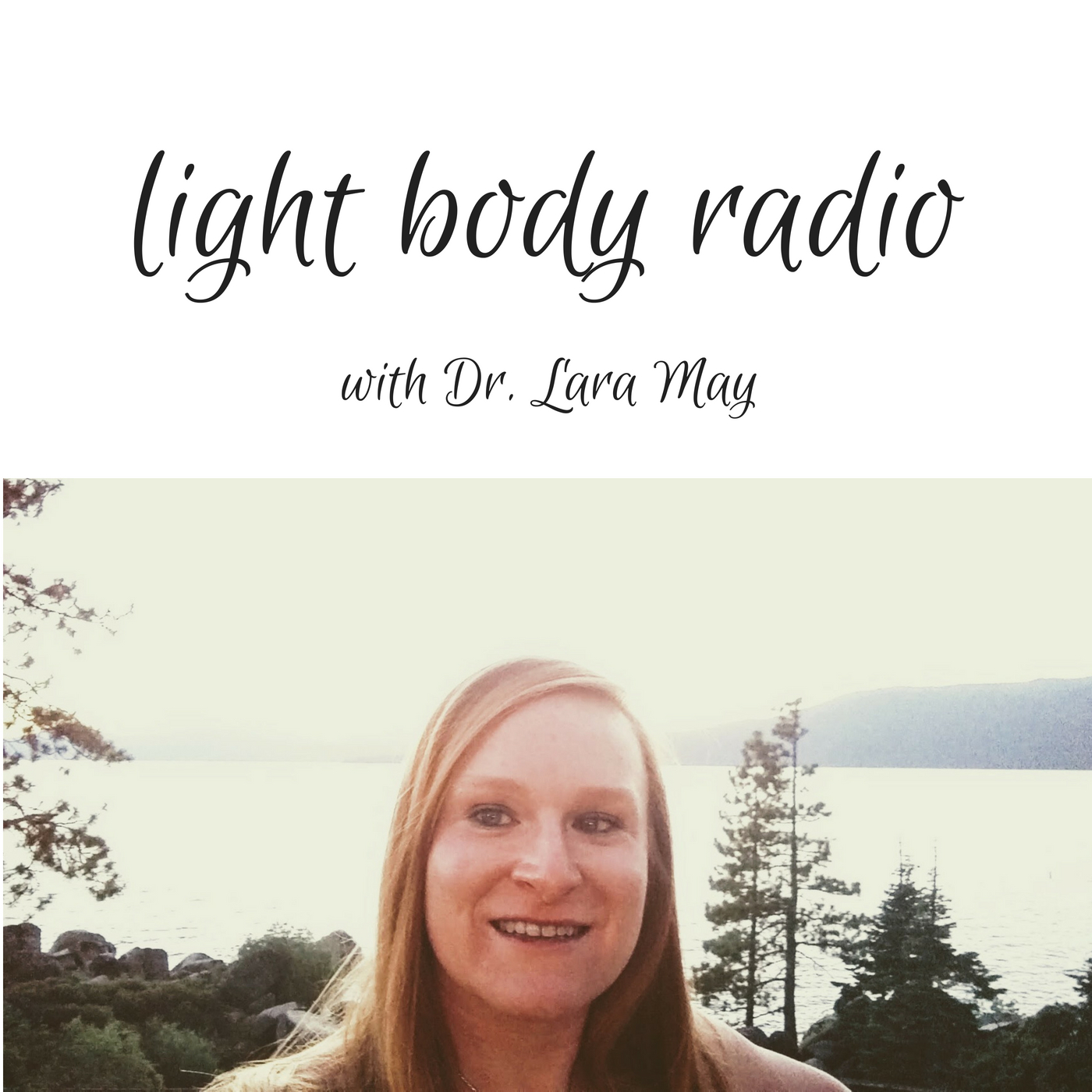
Functional medicine with an energetic lens.
A Stanford scientist analyzes health trends like cold plunges and wearable monitors, discussing their effectiveness and limitations.
This episode explores practical habit hacks like visual cues and environmental design to create consistent behavior change, using food examples to illustrate how to make healthy choices easier and unhealthy ones harder.
This episode explores the most impactful health behavior changes that can prevent 80% of disease, focusing on nutrition, exercise, stress management, sleep, smoking cessation, and social connections.
The hosts announce that co-host Yuna is leaving for business school, marking a significant transition for the podcast after seven years of recording together in person.
This episode discusses the lack of evidence for supplement benefits in healthy individuals with balanced diets, while acknowledging exceptions for specific deficiencies.
This episode explores how tobacco companies applied their expertise in creating addictive products to engineer hyper-palatable foods that contribute to food addiction and health issues.
This episode explains how to identify credible scientific studies by understanding the peer-review process and checking for proper journal standards.
This episode teaches listeners how to evaluate scientific studies and papers to determine what research to trust and avoid fake science.
This episode explains delayed onset muscle soreness (DOMS), its causes like microscopic tissue damage and metabolite buildup, and discusses typical duration versus concerning symptoms.
This Q&A episode addresses health topics like juicing vs.
This episode discusses self-defense advice for runners, addressing common myths like using headphones while running and balancing safety with quality of life.
This episode explores how to make exercise a consistent habit by understanding habit loops and emphasizing consistent timing.
The hosts reflect on personal lessons learned in 2024, focusing on embracing gratitude and controlling what they can in a chaotic world.
This episode explores whether superfoods are a legitimate health concept or just a marketing scam, examining related buzzwords like antioxidants and free radicals with expert guest Mauro Servini.
This episode explores the gap between scientific evidence and popular health trends like saunas, cold plunges, and supplements, featuring an expert with experience in both academia and industry.
This episode explores insomnia, its prevalence affecting about 75% of the population, and discusses solutions for sleep struggles with expert insights.
This episode explores how neuroscience reveals we may not have full conscious control over our food choices, particularly with ultra-processed foods, and discusses ways to rewire our brains for better decisions.
This episode explores how environmental factors like air, water, and everyday products may play a larger role in health than previously thought, challenging the early optimism of the Human Genome Project.
This episode discusses the importance of finding a personal 'why' to motivate exercise and physical therapy, using examples from patient interactions to illustrate how connecting goals to meaningful activities improves engagement.
This episode explores why the oldest people tend to be the happiest, examining factors like positive attitude development with age and the crucial role of social connections in health and longevity.
This episode kicks off a daily series focused on practical exercise advice, starting with how to set specific, measurable, and achievable fitness goals.
This episode explores practical positive psychology tools like gratitude journaling and kindness practices to improve happiness and well-being, based on a conversation with Dr.
This episode explores why muscle is considered the organ of longevity, discusses the microbiome's role in aging, and features insights on how to build muscle at any age for better health outcomes.
This episode explores the science behind why it's difficult to stick to goals and offers insights on building confidence and motivation, especially during New Year's resolutions.
This episode explores positive psychology as the science of what makes life worth living, focusing on happiness, gratitude, purpose, and resilience to improve both mental and physical health.
The hosts discuss longevity science, including extreme methods like blood transfusions and Brian Johnson's $2 million regimen, questioning if these actually reverse aging.
This episode explores the common struggle with sleep deprivation, its impact on daily life and health choices like diet and exercise, and shares a personal story from a medical internship to illustrate the severity of sleep issues.
This episode features Dr.
This episode explores why most self-defense advice is ineffective and sexist, focusing on practical skills for women, including physical techniques and verbal strategies to prevent and stop assaults.
This episode features an interview with Dr.
Professor Mark Farris discusses the psychology behind fitness scams and deceptive marketing tactics, using examples like the Thighmaster and blood type diet to explain how people are manipulated.
This episode explores the relationship between obesity, chronic inflammation, and metabolic health, questioning whether olive oil might be a beneficial dietary component.
This episode explores how to make healthy foods like vegetables more craveable by understanding brain mechanisms and using strategies like adding tasty toppings and repeated exposure.
This episode discusses the impact of microplastics on longevity, exploring sources of exposure like air and skin, and suggests practical steps like using HEPA filters to minimize risks.
This episode explores how processed foods can rewire the brain's reward circuitry and self-regulatory capacity, drawing parallels with addiction mechanisms.
This episode features a medical expert discussing the reality, causes, and treatments of leaky gut, prompted by the host's dad's concerns about the condition.
This episode features an interview with Dr.
This episode explores how sleep patterns change with age, particularly through menopause and in older adults, and discusses whether these changes are normal or require different treatments.
This episode provides a practical step-by-step guide to overcoming common barriers to exercise and developing sustainable fitness habits, especially relevant for New Year's resolution makers.
This episode discusses the importance of creating sustainable exercise habits by focusing on consistency and long-term thinking rather than short-term goals.
This episode discusses science-based nighttime routines for better sleep, drawing from the hosts' book on sleep science and circadian rhythms.
This episode explores practical hacks and evidence-based strategies for balancing blood sugar, focusing on the role of fiber in preventing prediabetes and diabetes.
This episode explores exposomics as a data-intensive approach to understanding how environmental, chemical, and social exposures impact human health, distinguishing it from traditional environmental health research.
Food We Need to Talk hosts Yuna Jata and Dr.
Food, We Need To Talk hosts Yuna Jada and Dr.
Food, We Need To Talk hosts Una Jada and Dr.
Food We Need to Talk hosts Yuna Jata and Dr.
Dr.
Hosts Yuna Yatta and Dr.