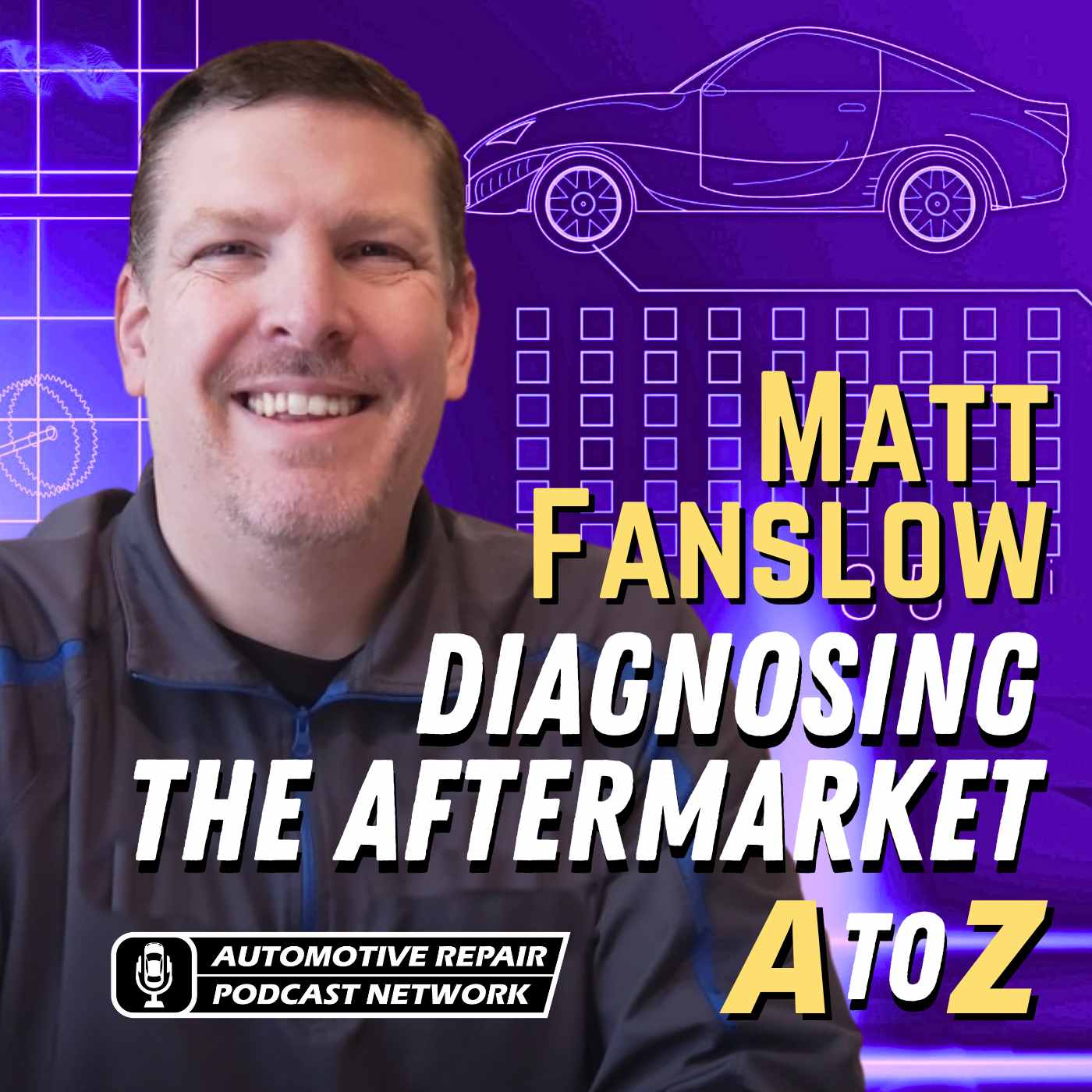
Diagnosing the Aftermarket A to Z is an automotive aftermarket show with grease under the fingernails and a lot on its mind. It starts from repair work. It rarely stays only there. Recent episodes move through diagnostics, training culture, Vision 2026, technician jobs, family obligations, communication problems, resilience, and the way shop language can get sloppy over time. The technical side matters. PicoScope waveforms, drivability concerns, TPMS service, ADAS procedures, OEM repair standards, and diagnostic-tool confidence all sit close to the center of the show. But the bigger pattern is about how working people think, talk, learn, and sometimes get in their own way. A discussion about shop communication can borrow from marriage counseling. A recap of an industry event can become a check-in about feedback, friendships, and what people say in the lobby between classes. A Mount Rushmore prompt can turn into a reflection on trainers, legends, and the uneasy habit of ranking people in public. The show lets those turns happen. It is measured, casual, and sometimes blunt, with enough patience for half-formed thoughts to become useful by the end. The humor is part of the machinery too: movie lines, Chuck Norris jokes, and self-aware threats to spend a whole episode on a topic soften material that can otherwise feel heavy. There is frustration here, especially around bad communication, workplace politics, and shallow uses of professional language. There is also respect for the trade. The series treats automotive repair as skilled work that depends on tools, training, judgment, humility, and people who can ask for help before everything breaks. That is the useful tension. It is not a polished training catalog. It is closer to a long conversation after class, when the formal lesson is over and the real one finally starts. For listeners inside the industry, the appeal is recognition. For outsiders, it offers a grounded look at how much human behavior lives inside a technical business.