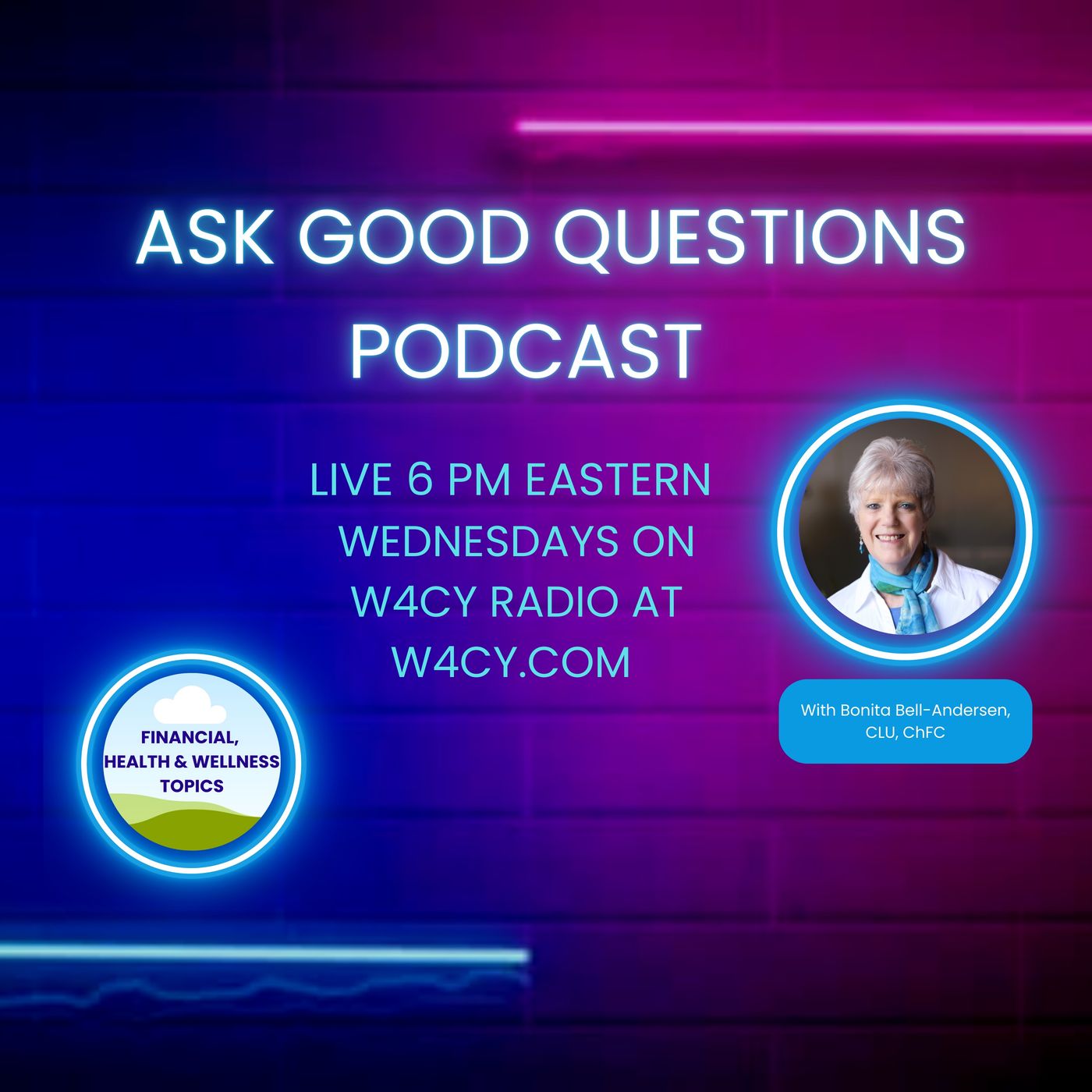
Ask Good Questions is a personal finance show with a broad idea of what money touches. It treats tax forms, mortgages, careers, travel, family planning, and daily habits as parts of the same larger conversation about stability and purpose. Benita Bell Anderson brings a warm, steady presence to episodes that often begin with a very recognizable problem. The tax-season episode is not framed as a lecture. It becomes a practical sorting session about income statements, retirement contributions, software tools, scattered paperwork, procrastination, and the quiet stress that builds when documents live in too many places. The homebuying episode works the same way. A conversation about renters becoming owners turns into lender fit, credit-score overlays, loan options, regional banks, down payment assistance, and grant money that buyers may not know to ask about. The show is comfortable with numbers, but it is not driven by jargon. It keeps asking what a financial choice feels like in real life. That gives the interviews a more personal shape than many advice programs. Guests talk about growth habits, worst-case-scenario exercises, career and income rebuilding, protection funds, insurance, debt, and the difference between earning money and investing it. Other episodes widen the frame to intentional travel in Morocco, women in the planning industry, caregiving preparation, and object lessons that families can use with young adults. The tone is patient. It can wander, but usually in the direction of context, memory, and emotional honesty. The show also carries the texture of live radio, including station disclaimers and occasional sponsor material at the edges of episodes. The strongest moments arrive when a technical issue is translated into a small action: gather the documents, find the right lender, identify the landmark, ask for help, start today. Ask Good Questions suits listeners who want financial guidance that sounds human before it sounds polished. It does not chase trendiness. It builds confidence by making complicated decisions feel discussable.