Topics / Short Stories
Short Stories Podcasts
493 shows and 34,688 episodes sit under Short Stories.
Hear literary readings, horror anthologies, and radio fiction from The New Yorker: Fiction, Full Body Chills, and Cast of Wonders.
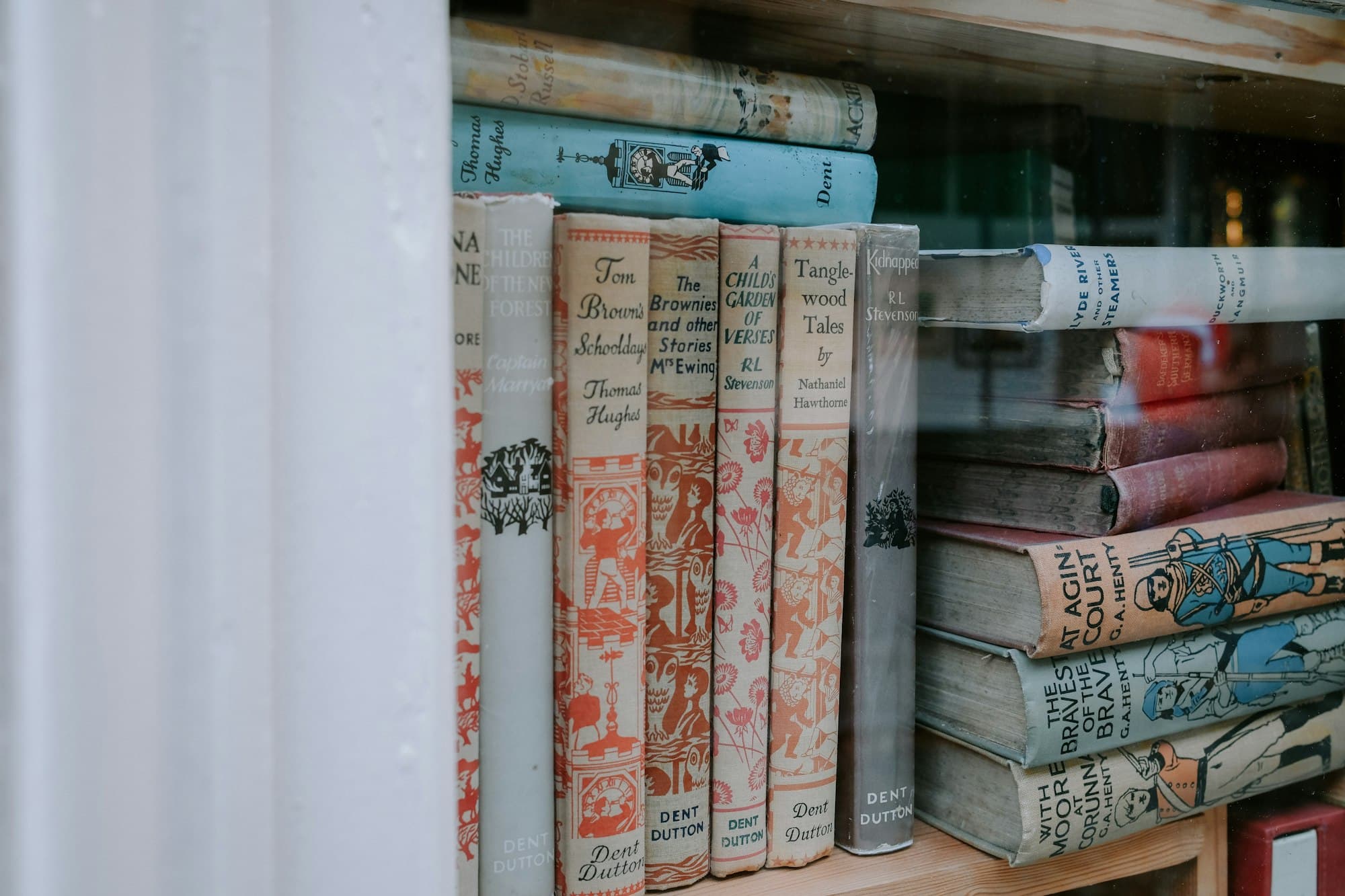
Photo: Annie Spratt on Unsplash · Unsplash License
Swipe · Short Stories only
Swipe through Short Stories
Save time discovering your next favourite podcast by listening to just the best minute of an episode.
The short stories slate · every cover a link
All 493 short stories shows →


Your guide
Some great Short Stories podcasts to get to know
A single voice, a clean opening, and enough time for another world to take shape: that is the simplest pleasure on the Short Stories shelf. Some shows preserve the hush of a reading room. Others treat the form as a doorway into literary conversation, speculative invention, or dread that arrives one ordinary detail at a time. The difference is often what happens around the reading—and how quickly the storyteller disappears into it.
For a wider view, return to Fiction. Choose Audio Drama or Radio Drama when ensemble performance and production are as important as the words themselves. Classic Literature makes more room for longer works, while Horror Fiction stays with fear across formats. Here, the most useful choice is between editorial framing, unadorned narration, and anthology voices that change with every tale.
The story and the conversation around it
The New Yorker: Fiction gives the reading a deliberate editorial frame. A guest writer selects a story, introduces what drew them to it, reads it without interruption, and returns afterward to questions of craft and interpretation. The pace is unhurried and assumes an attentive listener. Episodes such as Min Jin Lee Reads Wendi Kaufman and Mohsin Hamid Reads Haruki Murakami make the format plain: one writer listening closely to another.
Ink and Ash: A Short Story Podcast is more informal at the threshold. Its solo introductions can include author background, publication history, community notes, and the occasional admission that an introduction has run long. Then the older prose takes over. The effect is less like entering a lecture hall than being handed a story by someone who has already spent time with it and wants to explain why it deserves yours.
Alfred Hitchcock Mystery Magazine's Podcast pares that framing back. Its polished crime fiction readings favor scenes over summaries and let rooms, clothes, weather, and small gestures carry suspicion. Dry observation matters as much as menace. It is a good fit for listeners who enjoy the moment when an innocent detail quietly becomes evidence.
Reading rooms, with different lighting
LitReading - Classic Short Stories has a controlled, literary cadence and little interest in chatter. The delivery stays composed through tenderness, absurdity, and unease, allowing repetition and patient scene-setting to build pressure. Classic and original work receive the same steady treatment. This is the austere reading-room choice: edited, deliberate, and firmly in service of the text.

Drift with Erin Davis is gentler without becoming casual. Long, rolling sentences and storybook description set the rhythm, while occasional plain-English asides clarify an idea before the narration moves on. A sequence including The Sea Fairies, The White Cat, and A Fawn in the Woods suggests the range of doors through which a listener might enter. The voice remains calm enough to make each one feel like part of the same evening.
Just Sleep - Bedtime Stories for Adults slows the reading further. Extended description, old-fashioned syntax, and softly turning clauses create the texture; setup and commentary largely fall away. It suits listeners who want fiction to occupy the room without repeatedly demanding attention. The pleasure lies in surrendering to the sentence rather than waiting for a sharp narrative beat.
When the room turns strange
Mind Webs - Bedtime Radio sounds like literary radio fiction recovered from a half-lit hour. The narrator is steady, the language slightly formal, and the stories are permitted to become peculiar without pausing to explain their machinery. Dialogue carries exposition; implication does the darker work. Mind Webs - A Walk In The Dark, Mind Webs - Beachhead In Utopia, and Mind Webs - That Only A Mother are useful entry points into its mixture of speculative unease and after-dark intimacy.
Haunted UK Fiction begins from recognisable places and lets the impossible intrude slowly. Its British supernatural voice is grounded in routine, practical reactions, and the unnerving repetition of something that should have remained ordinary. The titles themselves move between literary context and narrated tales: Ink and Influence - Mary Shelley | The Birth of Frankenstein sits beside Windy Ridge by Anne Marie Whittaker | A time slip tale and The Last Passenger by Iain Maynard | A daily commute turns to terror. Expect atmosphere to gather before it declares itself.
The Wicked Library is more theatrical. Its rotating horror stories use rhythm, sensory detail, and recurring images to tighten a scene until it snaps shut. One episode may feel folkloric, another contemporary or confessional, but the dramatic spine remains strong. The show trusts appetite, guilt, possession, and consequence more than a tidy explanation of the monster.
Full Body Chills brings the fear closer to everyday speech. Phones, work shifts, backyards, and family memories can sit beside gothic images without breaking the spell. The narration tends to linger, then shorten abruptly when perception gives way. Titles including The Shaving Man, Wrong Number, and When No One's Watching offer compact invitations to that controlled, intimate unease.
I Found It On Reddit (Short Stories) is messier by design. Its first-person horror voice sounds confessional, plainspoken, and sometimes profane, with digressions that preserve embarrassment and uncertainty rather than smoothing them away. Jokes, complaints, and faulty recollection delay the threat. For listeners who find polished narration too distant, its lived-in roughness makes the fear feel uncomfortably nearby.
Anthology fiction with a wider horizon
Cast of Wonders carries the scene-first discipline of literary narration into speculative territory. Stories may shift in diction and mood, yet concrete objects, bodies, weather, and routines keep the transformations emotionally legible. The show makes room for tenderness and wonder alongside darker turns. Cast of Wonders 695: Goldenrod, Cast of Wonders 693: Twenty-Four Hours, and Cast of Wonders 690: The Universe and Miss Debbie provide three distinct places to begin.
That breadth separates it from the more narrowly ominous shows, but the listening contract is similar: settle into the scene and trust the story to reveal its terms. There is little need for explanatory scaffolding. The strongest moments arrive through image, cadence, and the ordinary detail that suddenly points somewhere else.
Where to start
Begin with The New Yorker: Fiction if you want a reading accompanied by serious conversation about writers and craft. Choose LitReading - Classic Short Stories for the cleanest passage into composed, minimally framed narration. Mind Webs - Bedtime Radio is the after-dark route for listeners drawn to strange ideas delivered with radio-era patience. For contemporary dread, try Full Body Chills; for speculative variety, make Cast of Wonders the first stop.
Featured shows below are part of the PlayNext catalog. Updated weekly.
Featured shows
8 shows, described rather than listed
Each has a short write-up and a note on what it does best here.
A fiction editor invites a guest writer to choose a story from The New Yorker's archive, read it aloud, and discuss it. It suits listeners who like unhurried literary readings with a brief editorial frame.
Scripted horror unfolds through patient scene-setting, sensory detail, and sudden fear beats, with contemporary tales alongside classic literary readings. It suits listeners who prefer dread that gathers slowly.
Rotating voices perform literary horror that builds dread through concrete scenes, repetition, sensory detail, and macabre turns. It suits listeners who want atmospheric anthology stories shaped for the ear.
Rotating voices lead scene-first anthology fiction, from modern myths and unusual pets to pyromaniacs and supernatural turns. It suits listeners ready to enter a story before the premise is explained.
A steady solo narrator reads literary radio fiction at a patient pace, moving among science-fiction machinery, domestic dread, grotesquerie, and philosophical argument. It suits listeners who value composed, detail-led narration.
A solo narrator presents classic short stories by Bret Harte, Chekhov, and Alice Brown alongside original tales by Don McDonald. It suits listeners who want an unhurried reading-room cadence with little chatter.
Patient solo narration carries classic horror, folk tales, and fairy tales, letting ordinary settings gather menace through repetition and long, coiling sentences. It suits listeners who prefer audiobook-style immersion.
Rotating story voices bring British supernatural fiction into kitchens, trains, hospitals, village roads, and old buildings before dread takes hold. It suits listeners who like accessible, lived-in settings and measured scares.