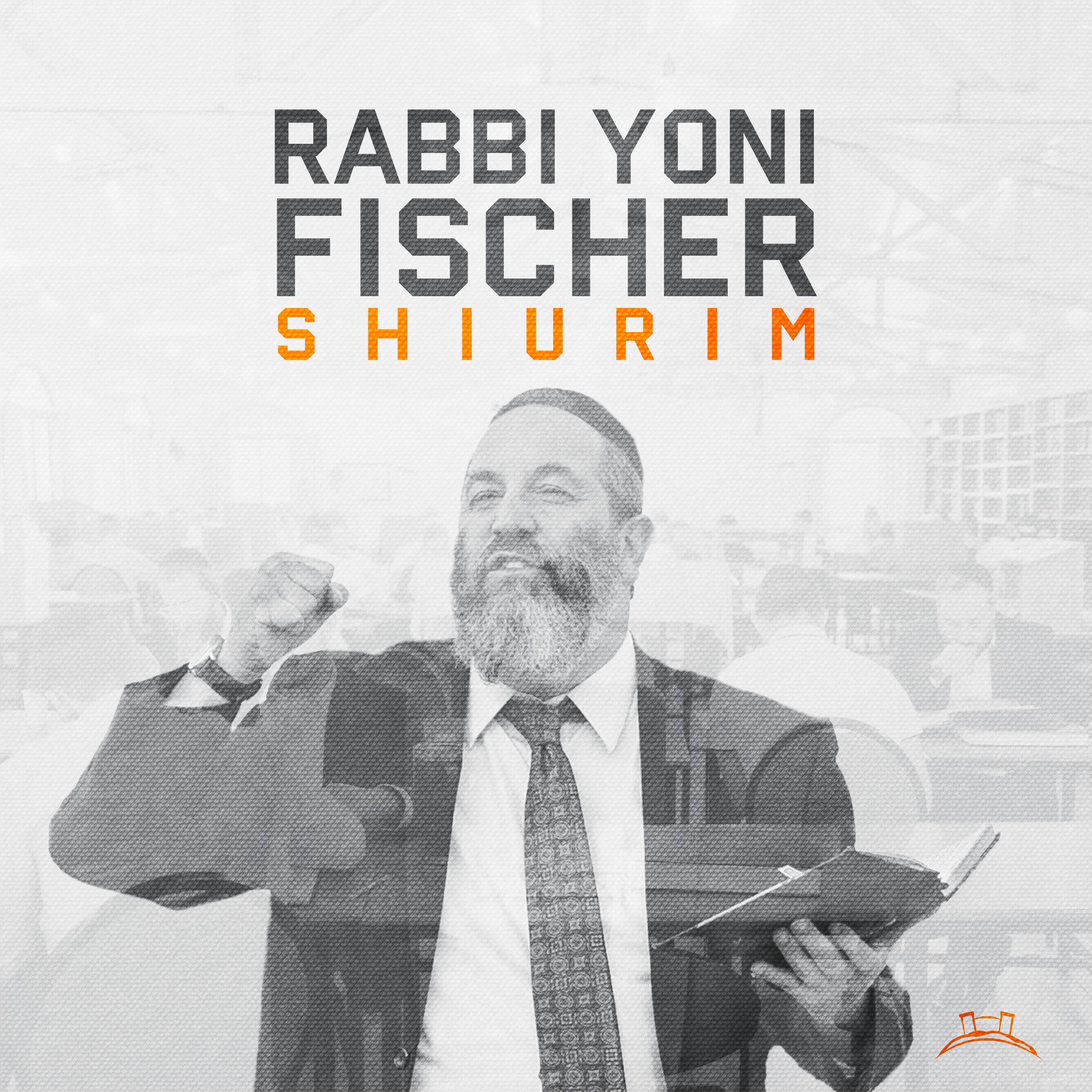
Rabbi Yoni Fischer Shiurim is a large collection of Torah talks with the rhythm of a live yeshiva room. The pace is quick. The language moves between English, Hebrew, and familiar Jewish learning vocabulary without stopping to translate every term. Episodes often begin casually, with thanks, side comments, dedications, or a moment of room noise, and then narrow into a pointed spiritual theme. Pesach is presented as a night of holiness, redemption, creation, renewal, and connection to Hashem. Matzah becomes more than a holiday food. It is tied to mitzvos, closeness, and the beginning of Jewish identity. Bein Hazmanim talks repeatedly ask where a person really is, not just physically, but in thought, desire, and direction. Yerushalayim, the Kotel, a bar, a yeshiva, and the darkest place in the world can all become examples in a larger argument about inner location. The shiurim are comfortable with intensity. They speak about pain, distraction, the Yitzhahara, worldly desire, and the difficulty of real change. Mesilas Yesharim episodes press the danger of excess comfort and the need for careful limits in material life. Parsha episodes use Avraham Avinu, Moshe, Lot, angels, and naaseh v’nishma to explore mission, humility, action, speech, and responsibility. The talks are not detached textual lectures. They are practical spiritual reflection, often circling one sentence until it becomes a demand. A flower-store example can become a lesson in doing for a spouse rather than overanalyzing the meaning of love. A reflection on Avraham’s mission can become a warning that some people need to push harder while others need to rest. The voice is warm, urgent, and sometimes playful. It assumes listeners can follow inside references, source names, and yeshiva shorthand. It suits people who want Torah learning that feels immediate, personal, and emotionally charged. At its center is a repeated claim: spiritual life is movement, and the present moment is where the work begins.