Topics / Environment & Sustainability
Environment & Sustainability Podcasts
306 shows and 27,055 episodes sit under Environment & Sustainability.
Future Ecologies, Crazy Town, and EcoRight Speaks bring field-rich ecology, irreverent climate talk, and pragmatic policy interviews for curious listeners.
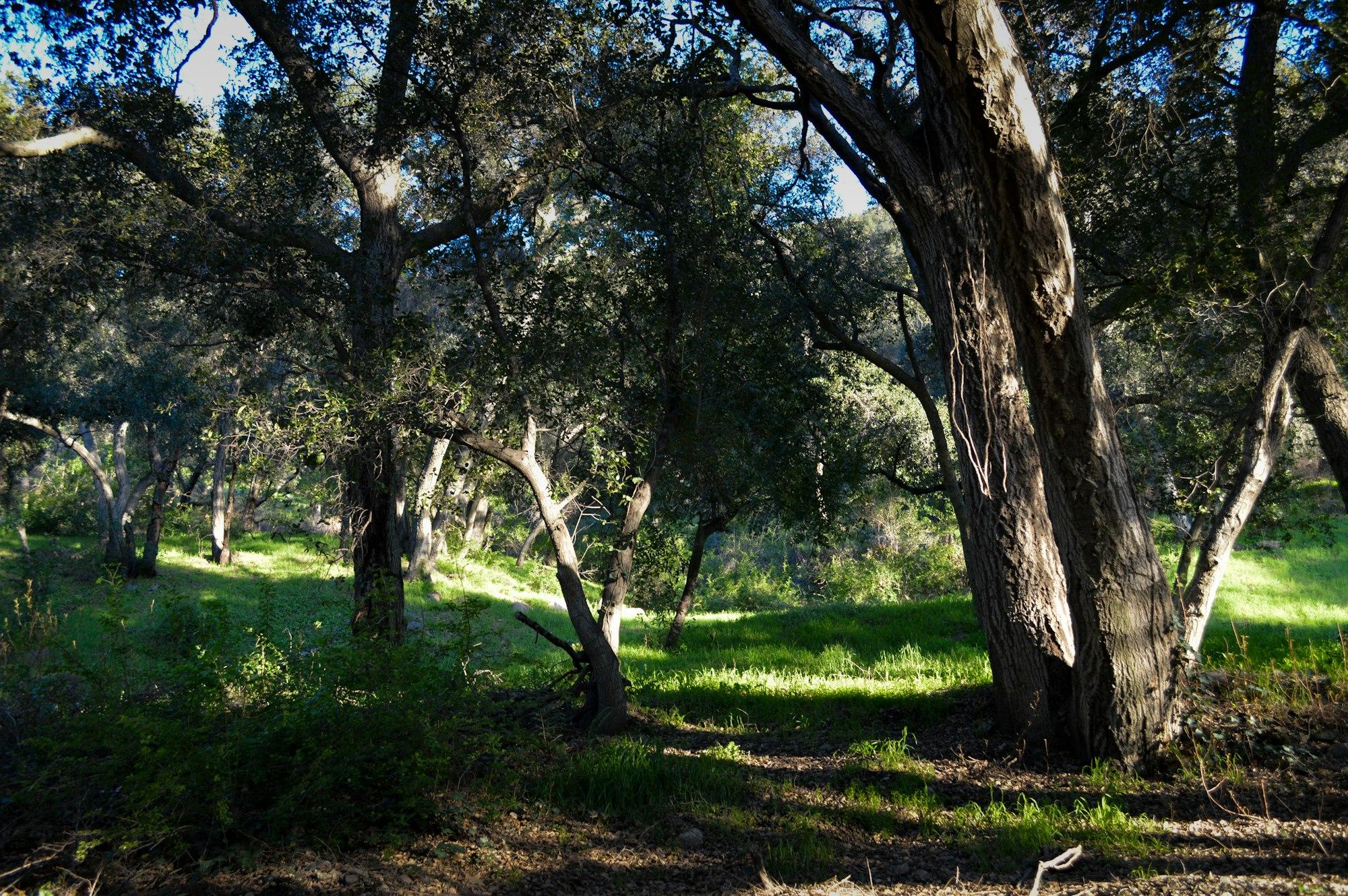
Photo: Sam Patel on Unsplash · Unsplash License
Swipe · Environment & Sustainability only
Swipe through Environment & Sustainability
Save time discovering your next favourite podcast by listening to just the best minute of an episode.
The environment & sustainability slate · every cover a link
All 306 environment & sustainability shows →





Listening guide
A listener's guide to Environment & Sustainability podcasts
Some listeners come looking for climate policy they can argue about at the dinner table. Others want to understand a river, protect public land, cut household waste, or recover a sense of kinship with the living world. The voices differ just as sharply: measured interviews, richly produced ecological storytelling, local radio, intimate reflection, and unruly panel comedy all sit within earshot of one another. The useful first choice is whether you want systems explained, places encountered, or action brought down to human scale.
This page stays close to environmental questions and the people working through them. Move up to Society & Culture when your interest widens beyond ecology and climate. Community is the better route for civic life without an environmental centre; Lifestyle leans further into everyday habits and personal choices, while Cultural Studies follows the ideas and institutions shaping how societies understand themselves.
Policy without the briefing-room voice
EcoRight Speaks takes the long-form interview route, with a curious host translating policy language into something a general listener can follow. Its perspective comes largely from the political right and pragmatic centre, so disagreement is treated as part of the work rather than a reason to end the conversation. The episode list makes that orientation unusually clear: S13 E7: How to hold space for those you disagree with sits beside S13 Ep1: Durable climate and clean energy policy consensus is achievable. For infrastructure, try S13 E5: Keeping the lights on by building a better, stronger electricity grid. The pacing is measured, the atmosphere collegial, and guests are allowed enough room to explain the machinery behind their positions.
Inconvenient Chats is more compact and argumentative in spirit. Its two-host rhythm works through a premise, tests it, and keeps refining the question until the practical stakes emerge. The titles often arrive as clean provocations: IC27: What are the selfish arguments for climate action?, IC24: Should we have a climate value added tax?, and IC29: Will our dependency on oil ever end? The result suits listeners who want economics, policy, and climate mechanics in ordinary language, with some skepticism toward easy moralizing.
The Sustainable Hour sounds closer to community broadcasting: several contributors, topical reflection, climate news, and longer interviews held together by an explicit editorial point of view. It is comfortable sounding frustrated when the subject calls for it. Democracy, diesel and the true cost of fossil fuels gives a direct entry into its political register, while Treaty to take us beyond fossil fuels points toward international action. The show’s information-rich stretches reward attention, but its language remains accessible.
Ecology with dirt under its fingernails
Future Ecologies slows the pace. Its co-hosts mix narration, field texture, expert voices, scientific language, jokes, and moments of genuine reverence without sanding away the complexity. A listener can begin small with Mussel Memory, follow water through Future Ecologies presents Ideas: What the River Wants to Be (Part 1), or enter restoration work through [HYPHAEDELITY] Eric Higgs x Laura Govers - Seagrass Restoration on a Moving Island. The show is patient enough to let a place become more than scenery. It feels companionable, as though two ecologically obsessed friends have invited you along and trust you to keep up.
Rangers of the Lost Park begins from people and their stories, then lets advocacy, work, and public lands unfold through conversation. The host is enthusiastic and emotionally transparent, happy to take a detour before circling back to the larger concern. 53: Why National Parks Are So Cool, Spooky Appalachia & Defending Public Lands with Will DeMan captures that loose, inviting mixture. For a more specific landscape, there is 46: Arctic National Wildlife Refuge with Debbie Miller; for access and belonging, 49: Pride Outside, National Parks & Exploring Public Lands with Gwyn & Ami. This is a good choice when institutional language leaves you cold but personal commitment does not.
Becoming Nature Podcast moves further inward. Its interviews are leisurely, reflective, and drawn to words such as kinship, inheritance, embodiment, and repair, often approaching ecological relationship through lived experience. Navigating Relationships in Therapy and Nature with Ruth Allen signals how readily personal and environmental thought meet. The sequence Elemental Special: Fire, Elementals Special; Water, and Elementals Special; Air offers another doorway into its contemplative register. Come prepared to sit with an unfinished thought.
From concern to something doable
Practical(ly) Zero Waste is friendly, practical, and notably free of purity tests. The interviews make room for overwhelm and imperfect action, using ordinary situations as a route into questions of waste, access, privilege, and community. Guests tend to do substantial explaining while the host pauses to translate ideas into daily life. It suits the listener who wants sustainability to feel social and possible rather than like another standard they have already failed.
Let’s Turn The Tide ????? shares that desire for tangible examples, though its voice is more overtly educational and mission-driven. Questions keep returning to implementation, measurable change, and what a proposal looks like on the ground. Waste is approached through #28-Rethinking Landfills: From Environmental Threat to Modern Resource with Alexandre Rio and #27-Recycling in the UAE: The Surprising Truth Behind Our Habits with Christine Hecht. Technology enters through #23-AI & the Future of Desalination with Dr. Giulia De Masi & Adrien De Saint Germain. The tone stays earnest and patient, with little appetite for snark.
The Many Shades of Green has more of an activist kitchen-table energy. Prepared ideas and public concerns mingle with interruption, humour, memory, spirituality, and the occasional unexpected turn. Its range can be seen in titles as different as Caring for the Earth: Stories from Faith Communities w/ Reverend Carol Devine and Dayna Reggero and The Bees, The Octopus and The Plastic Eating Mushrooms w/ Charlotte Ghiorse. Who Can Sleep With The World On Fire? catches the show at its most starkly phrased. This is environmental conversation with the edges left on.
When seriousness needs a troublemaker
Crazy Town uses banter as the door into systems thinking. The panel teases, interrupts, invents absurd comparisons, wanders through side stories, and eventually lands somewhere sharper than its surface looseness suggests. The Hypocrite's Guide to the Galaxy: Muddling Toward a Sustainable Footprint is a fitting introduction to its refusal of tidy virtue. Take Me to the River: Getting Rid of Deadbeat Dams points the humour at a concrete environmental question, while Birdbrained: When Nature and Technology Collide announces the sort of collision the show enjoys. Choose it when solemn delivery has begun to make even urgent ideas feel inert.
That comic release also clarifies how different these shows are from one another. Crazy Town riffs; Future Ecologies composes. EcoRight Speaks lets a guest build an argument, while Practical(ly) Zero Waste keeps bringing the conversation home. The best fit depends less on how worried you are than on what kind of attention you can give today.
Where to start
Begin with Future Ecologies and Mussel Memory if you want crafted ecological storytelling that leaves room for wonder. Choose Inconvenient Chats and IC27: What are the selfish arguments for climate action? for a direct, usable debate. Try Rangers of the Lost Park with 53: Why National Parks Are So Cool, Spooky Appalachia & Defending Public Lands with Will DeMan when people and places are your way into conservation. If you need wit before another grave conversation, Crazy Town’s The Hypocrite's Guide to the Galaxy: Muddling Toward a Sustainable Footprint is the livelier door.
Featured shows below are part of the PlayNext catalog. Updated weekly.
Featured shows
8 shows, described rather than listed
A short write-up for each, plus the job it does in this guide.
Two complementary voices pair measured ecology storytelling with field-recorded fragments and long expert passages, for listeners drawn to rivers, fire, ethnobotany, restoration, and peat.
A recurring host interviews climate-adjacent experts from the political right about grids, agriculture, AI, and emissions policy, for listeners seeking pragmatic conservative climate arguments.
Rotating voices mix prepared headlines, activist commentary, and guest conversation across environmental policy, democracy, protest, wildlife, and climate anxiety. It suits listeners who welcome urgency and wit.
A fast-moving panel turns banter, interruptions, and digressive riffs into conversations about limits to growth, climate chaos, energy, and sustainable living. It suits listeners who prefer humor with serious arguments.
Recurring contributors connect local civic concern to global climate news, energy markets, elections, extreme weather, and justice through information-rich interviews and commentary. It suits listeners who want community-rooted analysis.
Warm one-on-one interviews use personal stories to reach public-lands advocacy, conservation careers, park history, wildlife, and outdoor culture. It suits listeners who like policy grounded in people.
Two complementary hosts test climate questions through accessible discussion of policy, economics, health, fossil fuels, war, and individual action. It suits listeners who want practical arguments.
Patient, interview-led episodes use practical examples to explain landfills, recycling, efficiency, desalination, waste sorting, AI, and community-led sustainability. It suits listeners who prefer guided lessons.