Topics / Energy Technology
Energy Technology Podcasts
127 shows and 14,979 episodes sit under Energy Technology.
Hear SunCast, Inevitable and Decouple examine solar, grids, nuclear power and emerging energy systems through interviews, market analysis and technical debate.
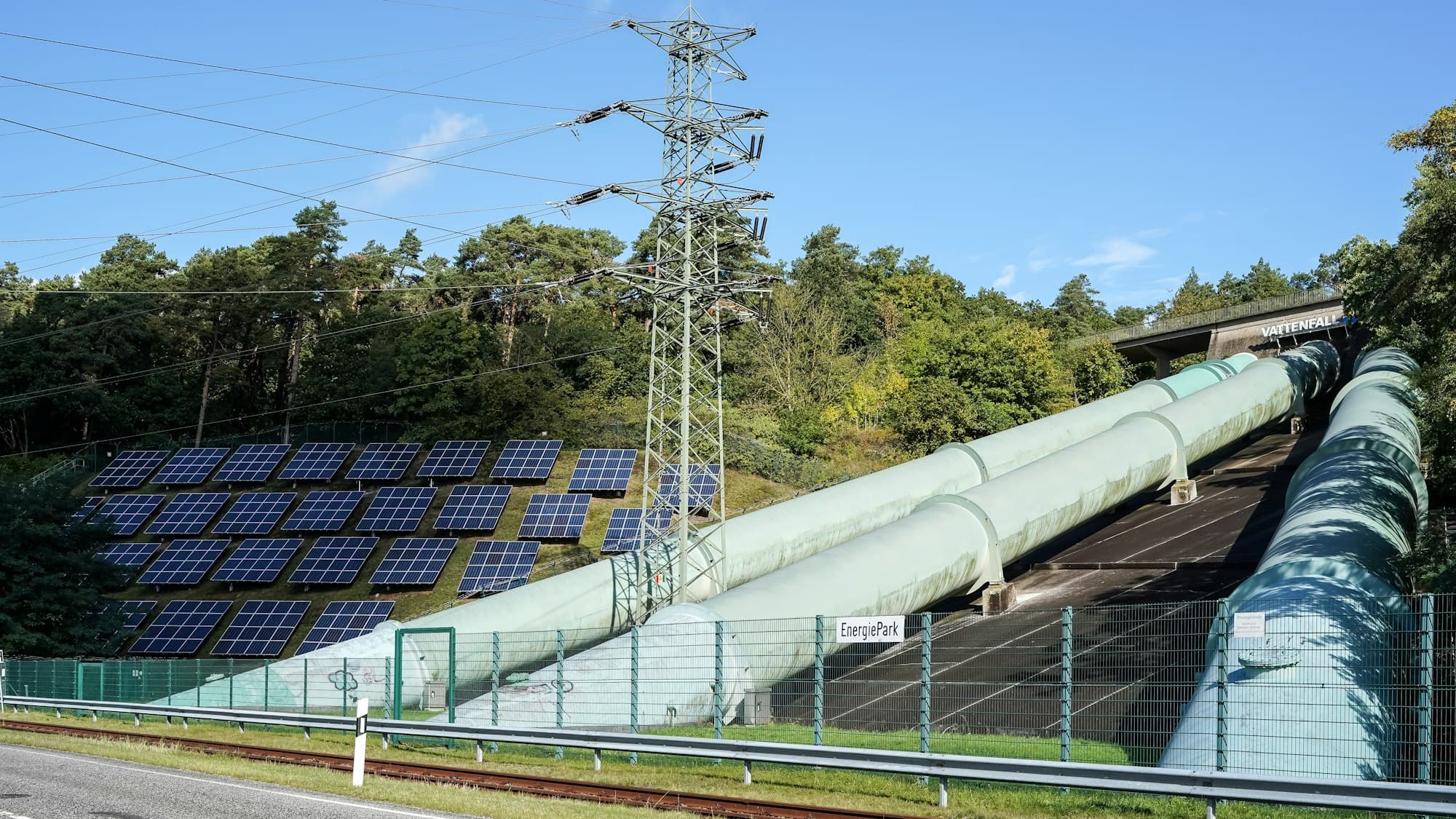
Photo: Wolfgang Weiser on Unsplash · Unsplash License
Swipe · Energy Technology only
Swipe through Energy Technology
Save time discovering your next favourite podcast by listening to just the best minute of an episode.
The energy technology slate · every cover a link
All 127 energy technology shows →





Before you press play
Energy Technology podcasts, explained
Flip a light switch and you rely on decisions made years earlier. Someone chose where a transmission line runs and what gas fills the switchgear in a substation. Energy technology podcasts are where the people who make those decisions talk them through, at a length no news bulletin allows. At their best they make an invisible system audible. A substation wall, a spool of steel tubing or a fusion laser becomes something you can picture and question.
The range runs from founders explaining laser physics to an oilman describing the longhorns on his ranch. Much of it comes from inside the industry: trade publishers, equipment makers and investors. That insider access is both the value and the thing to listen around. In January 2026, commenters in an energy forum questioned the technological optimism of familiar shows and the investment ties behind some guest choices. In July 2026, another recommended specialist podcasts for detail that general news coverage lacks. Both points hold. Depth is the reason to come, and knowing who is talking, and what they hope to build or sell, is the price of admission.
Founders with a machine to explain
New power plants are mostly still promises, and a long conversation with their builders is the nearest a listener gets to testing one. Tech. Cars. Machines. is hosted by Ali Tabibian, who introduces himself as a longtime technology investment banker and Stanford EE. A fusion series runs through its recent episodes. In 61. Conner Galloway, Founder, CEO, and Chief Science Officer; and Alexander Valys, Co-founder, President, and Chief Technology Officer, Xcimer, the founders take their laser system apart stage by stage while Tabibian translates. Fusion, he says, is about getting hydrogen atoms "to mate." The episode earns trust when a founder concedes that efficiency is "a common criticism" of their laser type. He then projects five to seven percent from wall plug to target, likely five for the first system.
59. Brandon Sorbom, Co-Founder and CSO, Commonwealth Fusion Systems is gentler on newcomers. The host unpacks "tokamak" as a Russian contraction for a doughnut-shaped magnetic chamber. Sorbom explains why the company would rather make its vacuum vessel replaceable than wait for a material that lasts the life of a plant. His timeline, with first plasma sometime in 2027, is a plan, and he presents it as one. Introducing 60. Alex Kendall, Co Founder & CEO, Wayve, Tabibian reports riding about 45 minutes in a Wayve-equipped vehicle with a system that assumes an alert driver and judges it equal to or better than Tesla's FSD. He also appends a couple of minutes of test-drive audio. It is one rider's verdict, clearly labelled, and the Transportation Technology page follows that road further.
"Age of Miracles" is hosted by Packy McCormick with an expert cohost each season. Its first season covered nuclear energy, and its founder episodes date from late 2023 and January 2024. Helion's David Kirtley offers the most surprising self-description: "In some way, Helion is more an electronics company than it is a fusion company." Tyler Bernstein of Zeno Power explains why radioisotope generators convert only about 5% of their heat to electricity. He sums up nuclear startup life as "we move fast and bend things." The enthusiasm is also the limitation. Kirtley's 2028 date for putting electrons on the grid is his company's plan. Near the end of the Antares conversation, a guest argues that economic metrics sit downstream of energy, and the reply is an "Amen." Bring your own counterargument.
Inside the grid

Any new plant must connect to something, and another set of shows lives in that something. Energy Central publishes Power Perspectives. In Is geothermal finally happening? A DOE leader weighs in, host Kinsey Grant-Baker lists the knocks on geothermal, "perpetually five years away" among them. Her Department of Energy guest describes US capacity of about four gigawatts that has not grown significantly for decades. Late on, she asks him how to tell a hype cycle from something lasting.
Early in Inside a live-fire test of grid security, the question is what happens when you shoot a substation with a World War I-era rifle. A guest from 3B Protection, whose walls were tested, says there were no surprises because "the wall just sits there and does its job." That is a vendor speaking about its own product. How drones are becoming critical infrastructure for utilities is likewise made with Skydio as partner and Skydio staff as guests.
Power Pulse is open about its position: it is Hitachi Energy's podcast, hosted by Barbara Freitas-Daniels, with script writers credited at the close. In Grid Automation is Essential in the Age of Electricity, Massimo Daniele describes software that forecasts grid load and electricity prices. He also warns of attacks "with potentially catastrophic consequences." In another episode, Andy Howell says the company thinks AI could cut the time to bring new generation and storage on board from five to seven years to one to two. An electric journey: How brilliant minds bring innovative tech has Marcus Heimbach on replacing SF6, which he calls the most potent greenhouse gas. The Artificial Intelligence page and the Cybersecurity page go deeper into those threads.

The Smart Energy International Podcast's latest listed episodes are from 2021. Episode #18: Cybersecurity and utilities - how to solve and prevent cyber attacks still lands: a guest recalls early smart-meter tenders that gave security three or four lines in maybe a thousand pages.
Oil, gas and the pipe in the ground
The fossil side of the dial sounds different, with more anecdote and more trade talk. Pipeliners Podcast, hosted weekly by Russel Treat, is the most orderly of these shows. In Episode 422: 2026 Pipeline Predictions with Mark LaCour, LaCour forecasts midstream growth closer to four trillion dollars and calls 2026 "a boom year." Those are his predictions. Episode 411: 50th Anniversary of the Alaska Pipeline with Dave Norton is warmer. It offers a story about caribou herds growing near the pipeline, followed by an honest "I don't know if that's true."
Oilfield 360 Podcast, hosted by David Rowe and Victoria Beard-Queen, is built on career stories. In #90. Neal Lux talks about going from Coil Tubing Startup to CEO-Level Leadership, Lux recalls shipping pipe to Siberia, then calling the customer: "don't use it. Here's your money back." #88. Deployable Nuclear, Offshore Power & Energy Innovation with Bobby Gallagher turns to a reactor that ships in a container. It also makes the claim that the company will be among the first to go critical before the 4th of July. Expect detours into television, skiing and cattle.
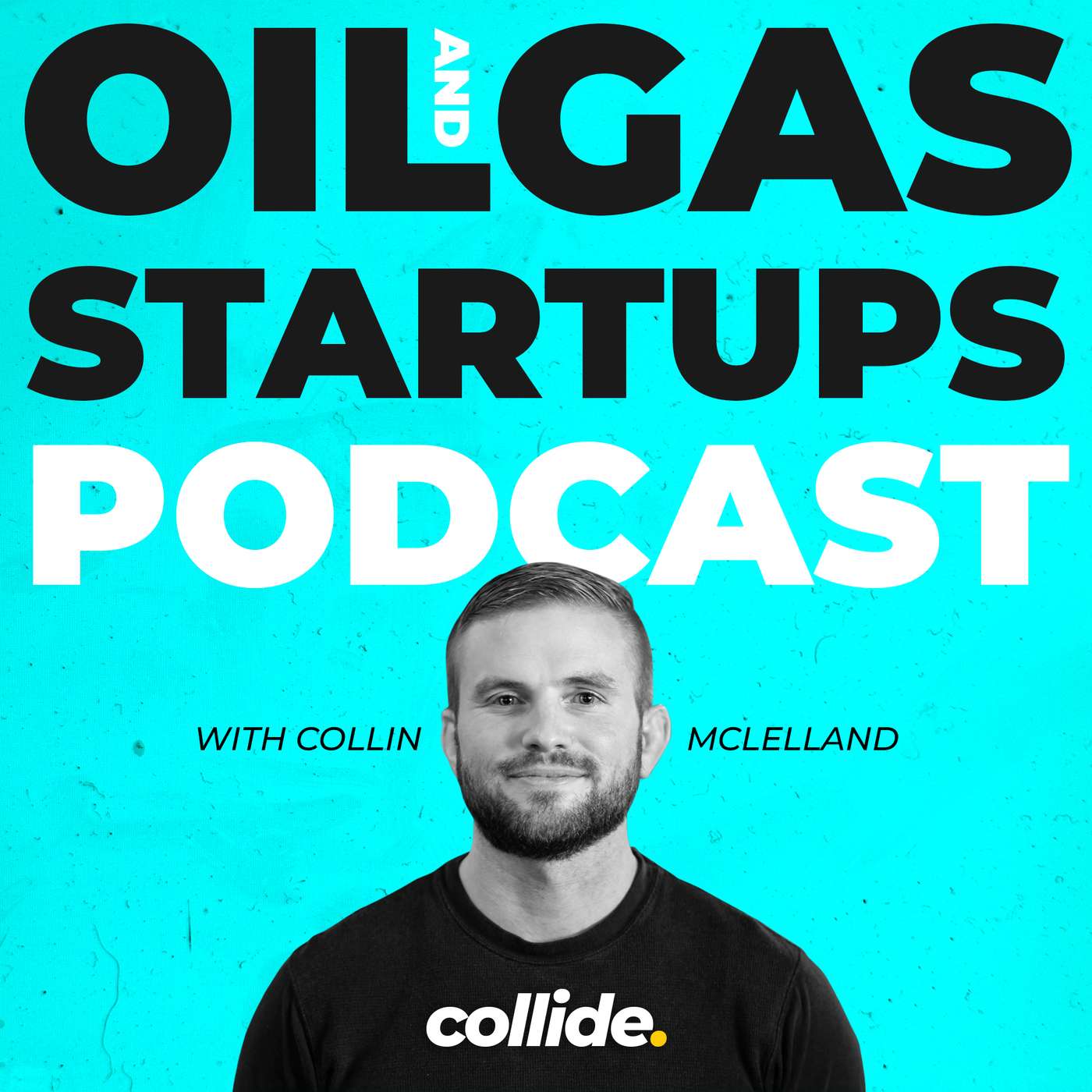
Oil and Gas Startups Podcast, with Jake Corley and Collin McLelland, is looser and franker. In Safety Radar, the conversation settles on "proactive" rather than "predictive" for what the data can do. Its latest episodes date from 2024.
The operator's notebook

Building Better with Brandon Bartneck approaches energy through manufacturing. In #269 – Quincy Lee | Electric Era - Resilience, Narrative, and the Systems Behind Enduring Companies, the EV-charging founder and host explore the "hard to kill" idea by way of premortems and automotive failure-mode analysis. He then plays a demo of a talking charger over screen share. In another episode, Ali Kashani of Serve Robotics sums up his sensor strategy: "it's easier to remove a LIDAR than add a LIDAR." The Engineering page suits listeners who want more of this.
Where to start
- For a curious beginner: Tech. Cars. Machines., 59. Brandon Sorbom, Co-Founder and CSO, Commonwealth Fusion Systems: 66 minutes with a patient explainer.
- For grid watchers wary of hype: Energy Central, Is geothermal finally happening? A DOE leader weighs in: 33 minutes that take the hype question head-on.
- For people who work in the field: Pipeliners Podcast, Episode 411: 50th Anniversary of the Alaska Pipeline with Dave Norton: pipeline history told by people who remember it.
- For optimists ready to argue back: "Age of Miracles", A World with Abundant Fusion Energy with David Kirtley of Helion Energy: a founder's case at full strength.
After one episode, ask whether you can explain a single machine better than before, and whether you know who stood to gain from the explanation.
Featured shows below are part of the PlayNext catalog. Updated weekly.
Featured shows
8 shows, described rather than listed
Each has a short write-up and a note on what it does best here.
Founders and executives explain fusion ventures and other capital-intensive technologies through company milestones and origin stories. It suits listeners tracking how complex machines reach market.
Solar and storage practitioners discuss installation problems, battery operations, recycling, procurement and policy. It suits listeners who want the commercial mechanics behind clean-energy deployment.
Patient interviews translate nuclear, hydrogen, grid hardware and space solar into concrete mechanisms and stakes. It suits listeners who want technical systems explained in accessible language.
Long-form conversations connect clean-energy engineering and policy to homes, vehicles and supply chains. It suits listeners following heat pumps, solar, batteries and practical electrification.
Reporter-like interviews track how war, sanctions, climate policy and new technology reshape energy markets. It suits listeners who want current events connected to industry strategy and infrastructure.
Provocative interviews and occasional monologues test claims about nuclear fuel, reprocessing, uprates and energy policy against history, numbers and caveats. It suits listeners comfortable with technical debate.
Expert-led conversations move from headlines to the mechanics of grid stability, power-market volatility and investment. It suits knowledgeable listeners tracking system-scale energy transitions.
Plainspoken questions guide extended technical answers about tradeoffs, timelines, cost curves and what new energy systems can unlock. It suits listeners who enjoy patient, detail-rich conversations.