A grave Gothic-Byzantine account of imperial pressure, where diplomacy keeps giving way to war.
This review treats the piece as a sober account of Gothic politics in Italy, where negotiation and war keep narrowing the same imperial problem.
Eva March Tappan
45 episodes listed below
Ancient empire told in old public-domain voices.
World's Story Volume IV- Greece and Rome presents literary and historical readings from an anthology edited by Eva March Tappan. Recent sections move through Roman roads, Constantine, Alaric, Attila, Justinian, Belisarius, and the Gothic wars.
PRESS PLAY
World's Story Volume IV- Greece and Rome is a narrated public-domain anthology about classical and late ancient history. Its shape is closer to an old historical reader than a modern podcast conversation. Each section presents a selected text, poem, or art commentary, then lets the language carry the scene. The recent run sits deep in the late Roman world. Roads are described as instruments of military order, engineered with cuts, fills, bridges, culverts, and layers built to last. Constantine appears in a world where emperors are vulnerable, soldiers make rulers, and Christianity changes imperial symbols. The series then moves toward fracture. Rome bargains with Alaric under the pressure of ransom and disgrace. The Huns arrive as mounted terror, spreading from Asia into Europe and concentrating their force before Chalons. The battle is framed as decisive, with Roman and Gothic armies resisting Attila's advance. Byzantium rises with gold, mosaics, palaces, theaters, and the church of St. Sophia. It is splendid, but not simply admired. The commentary notes costly ornament and the fading of older simplicity. Justinian's council scenes give the empire a theatrical pressure, with senators, Gothic fleets, threatened cities, and a stark choice between war and peace. Belisarius becomes the tragic emblem of service to power. In Longfellow's poem, the old general remembers victories over Persians, Vandals, and Goths while standing in humiliation beneath the shadow of imperial ingratitude. The show favors grand causation, moral consequence, and memorable historical tableaux. It does not smooth away its older cadence. That is part of the texture: formal, declarative, sometimes dramatic, and often preoccupied with empire's vanity.
Made for: Best for listeners who enjoy classical history, late Roman politics, and narrated historical literature. It especially suits those who prefer formal readings over conversational explainers.
What sets it apart: The show treats Greece and Rome through curated historical prose, poetry, and art commentary rather than modern host banter. Its late-empire episodes feel like a sequence of narrated scenes: roads, councils, invasions, ransoms, battles, and fallen commanders.
Welcome to the fourth volume of the captivating 15-volume series, The World’s Story, edited by Eva March Tappan. This remarkable collection weaves together selections from prose literature, poetry, and art to present a rich tapestry of history, culture, and creativity from ancient times to the dawn of the 20th century. In this volume, delve into the enchanting world of Greek mythology, explore the classical Greek period, and witness the Rise and Fall of the Roman Empire. Join us on this journey through time, narrated by Sonia and featuring a talented cast that brings these stories to life.
A Roman banquet becomes dinner theater, and you're seated close enough to hear the quarrel.
Press play if you want
Short reviews from the PlayNext desk, based on the episodes we processed.
A grave Gothic-Byzantine account of imperial pressure, where diplomacy keeps giving way to war.
This review treats the piece as a sober account of Gothic politics in Italy, where negotiation and war keep narrowing the same imperial problem.
A chariot race framed as ritual, rivalry, and triumph.
The episode treats the chariot race as a public contest shaped by ritual, rivalry, and religion. The lots, the rival horses, the priests, the monks, and the blessings around the hippodrome keep the stakes in view, while the final heat carries the familiar promise of victory and…


Greek myth told with fatal momentum.
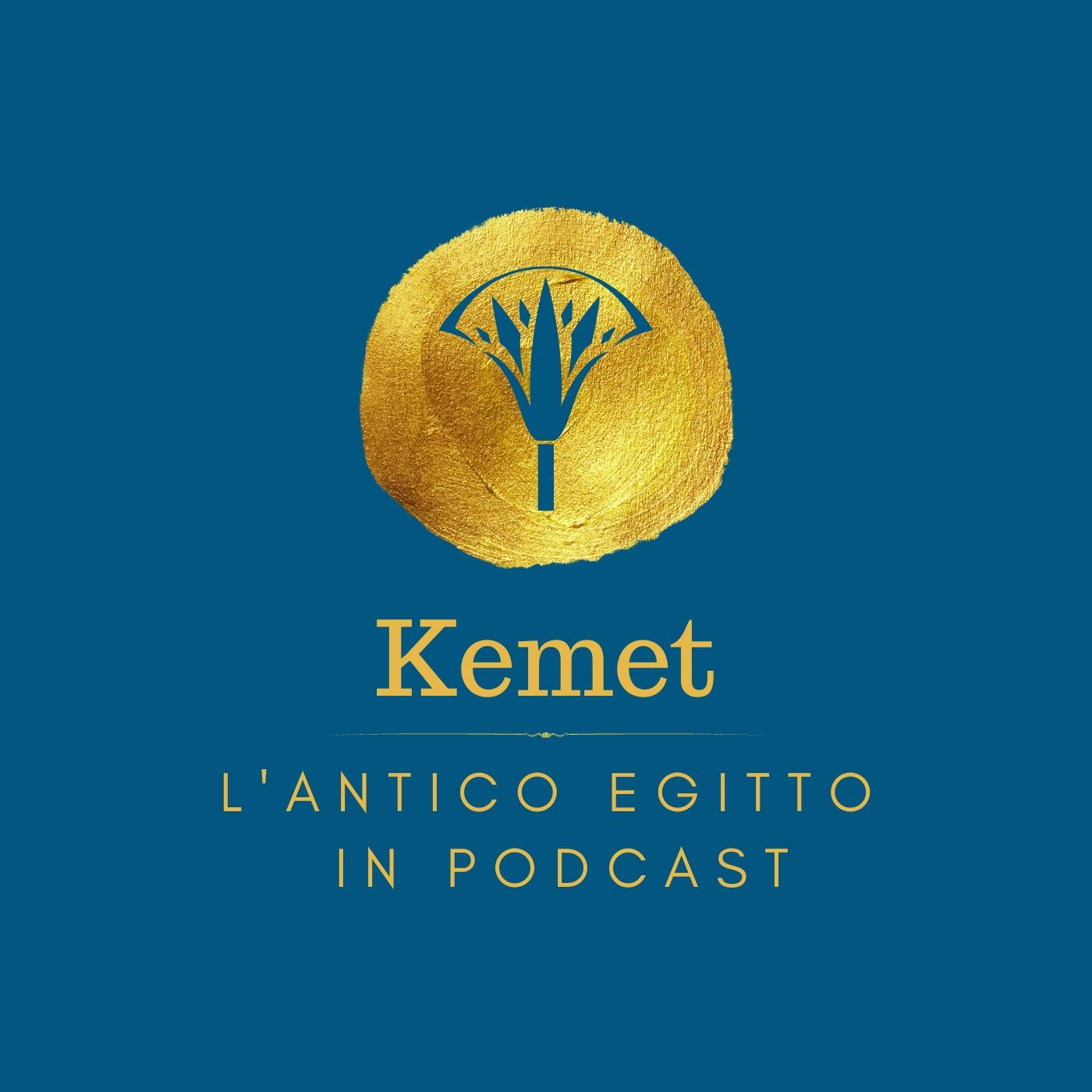
This episode features a reading of Henry Wadsworth Longfellow's poem about Belisarius, a Roman general under Emperor Justinian, exploring themes of military glory, imperial jealousy, and legendary decline.
This episode discusses the transformation of Byzantium into Constantinople under Constantine the Great and the lavish artistic and architectural developments during Justinian's reign, including the construction of St.
Felix Dahn's "Peace with the Goths or War, 535 A.D." sets Justinian in the Hall of Jerusalem as Gothic armies under Totila and Teia threaten Byzantium itself.
This episode discusses the historical battle of Chalons in 451 AD, where the Roman Empire was saved from the Huns led by Attila, exploring the context of Roman decline and the significance of this decisive conflict.
This episode analyzes George Rochegrosse's painting of Huns pillaging a French villa, exploring their historical impact in the 4th century under Attila and their lasting legacy in Europe.
This episode dramatizes a tense historical moment in 409 AD when Roman senators negotiate with Alaric the Goth to pay a massive ransom to save Rome from destruction.
This episode describes a chariot race in Alexandria around 391 AD, set against the backdrop of intense religious conflict between Christians and worshippers of the old gods, including the recent destruction of the Serapium temple.
World’s Story Volume IV- Greece and Rome presents W.
World’s Story Volume IV—Greece and Rome, Episode 071 examines Emperor Nero’s 67 A.D.
The World's Story, Volume 4, Greece and Rome recounts the rise of Sejanus after Tiberius withdrew to Capri in 27 A.D.
This episode recounts Hannibal's strategic journey to Italy in 218 BC during the Second Punic War, detailing his challenges crossing the River Rhone and facing the Volsci tribe.