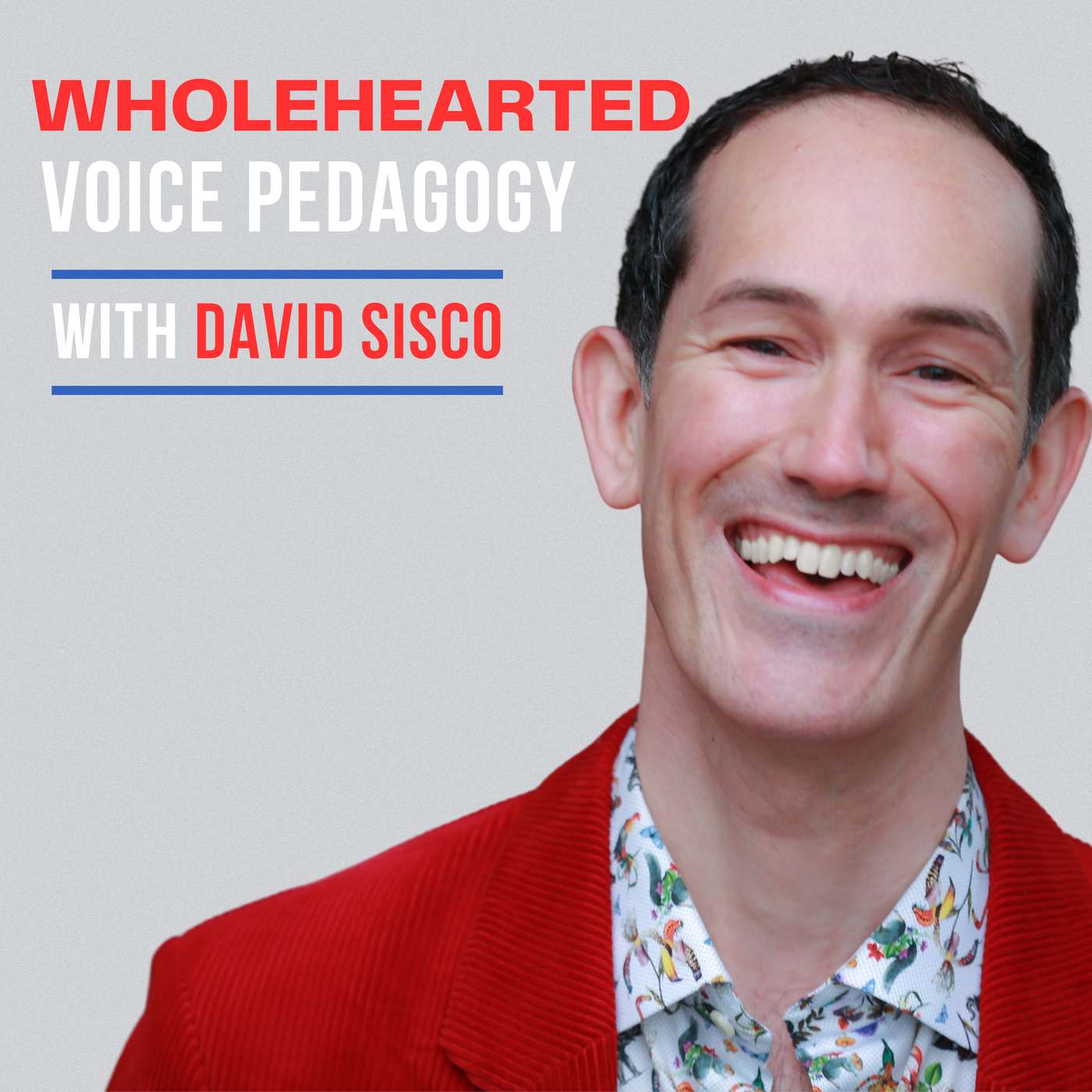
Wholehearted Voice Pedagogy is an interview-centered education podcast for people who teach singers and think carefully about what teaching asks of them. Its central concern is not simply how voices function, but how students learn inside relationships shaped by authority, vulnerability, habit, history, and trust. The show has a patient tempo. It makes room for context before prescription, and its best moments come when a personal memory opens into a larger pedagogical question. Recent episodes consider ethical boundaries between teachers and students, the quiet force of kindness in academic spaces, and the difference between power-over and power-with approaches to instruction. The show also looks beyond the university studio. Conversations about independent teaching and secondary education make clear that age, setting, and student goals change the teacher’s job in practical ways. A high school singer does not need the same assumptions as a college student. An avocational pop singer may need a teacher who understands a very different purpose. That specificity matters here. Wholehearted Voice Pedagogy is also interested in the emotional climate of learning: how humor can help a frustrated student reset, how motivation is cultivated rather than demanded, and how teachers can examine inherited classroom language that no longer reflects their values. The tone is humane, but not sentimental. It asks teachers to notice where their systems, syllabi, habits, and expectations may be doing more than they intend. The conversations are substantial and occasionally vulnerable, with references to coming out, classroom harm, systemic inequity, and teacher-student boundaries handled as professional and ethical questions. For listeners in voice pedagogy, musical theater, classical singing, pop-rock instruction, or private studio work, the show offers a grounded place to reconsider the studio as both a technical and relational environment.