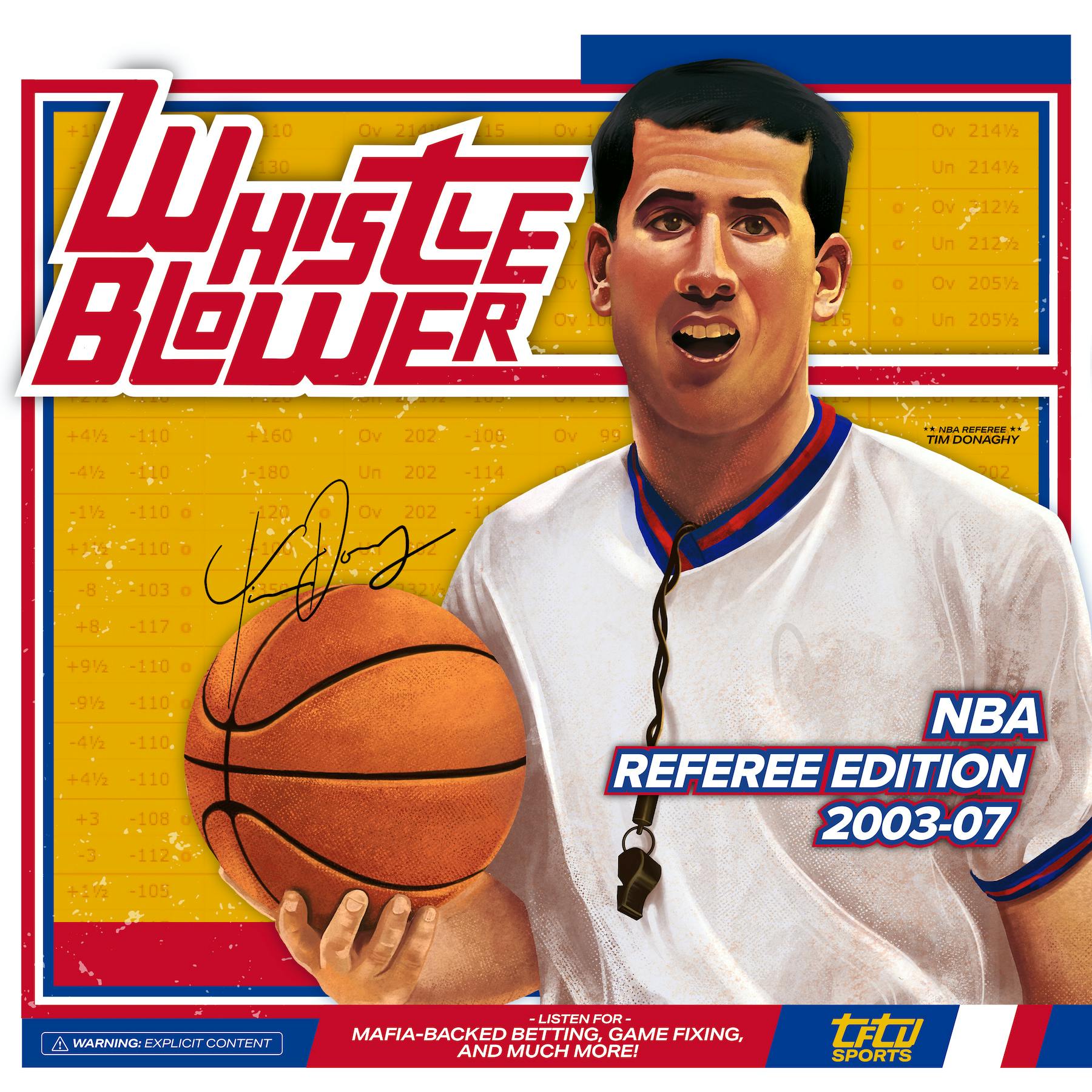
Whistleblower is an investigative sports-crime series built around the NBA betting scandal that sent Tim Donaghy to prison. It does not leave the story there. The show keeps circling the same uncomfortable question: if the scandal was only one rogue official, why do so many details still feel unresolved? Its method is blunt and document-heavy. Tape leads to timelines, timelines lead to reports, and reports lead back to people who remember the league differently than its public statements suggest. Scott Foster's phone calls with Donaghy become a major pressure point. The Pedowitz Report is not treated as background paperwork, but as evidence worth reading slowly. Betting lines matter too, especially when the series explains how heavy action on certain games could move markets enough to attract attention. That is where the show is at its sharpest. It can translate gambling mechanics without losing the human weirdness of the story. Former players describe referee power in direct, unpolished terms. A former FBI agent's perspective gives the investigation a different kind of weight. Attorneys, basketball writers, and league-adjacent voices help sketch a world where money, hierarchy, media pressure, and reputation all overlap. David Stern's handling of the scandal becomes part of the narrative, especially around timing, public messaging, and the league's response. The series also widens beyond Donaghy into older referee grievances, alleged company men, playoff controversies, and the uneasy idea that basketball can be shaped without looking scripted. It is not a clean courtroom brief. It is a persistent case file with coffee stains, side doors, and people who still disagree about what happened. The tone is skeptical but not detached. It has a dry impatience with official explanations that rely on boredom as a defense. Whistleblower suits listeners who want investigative journalism with pace, sports knowledge, and a healthy suspicion of tidy endings.