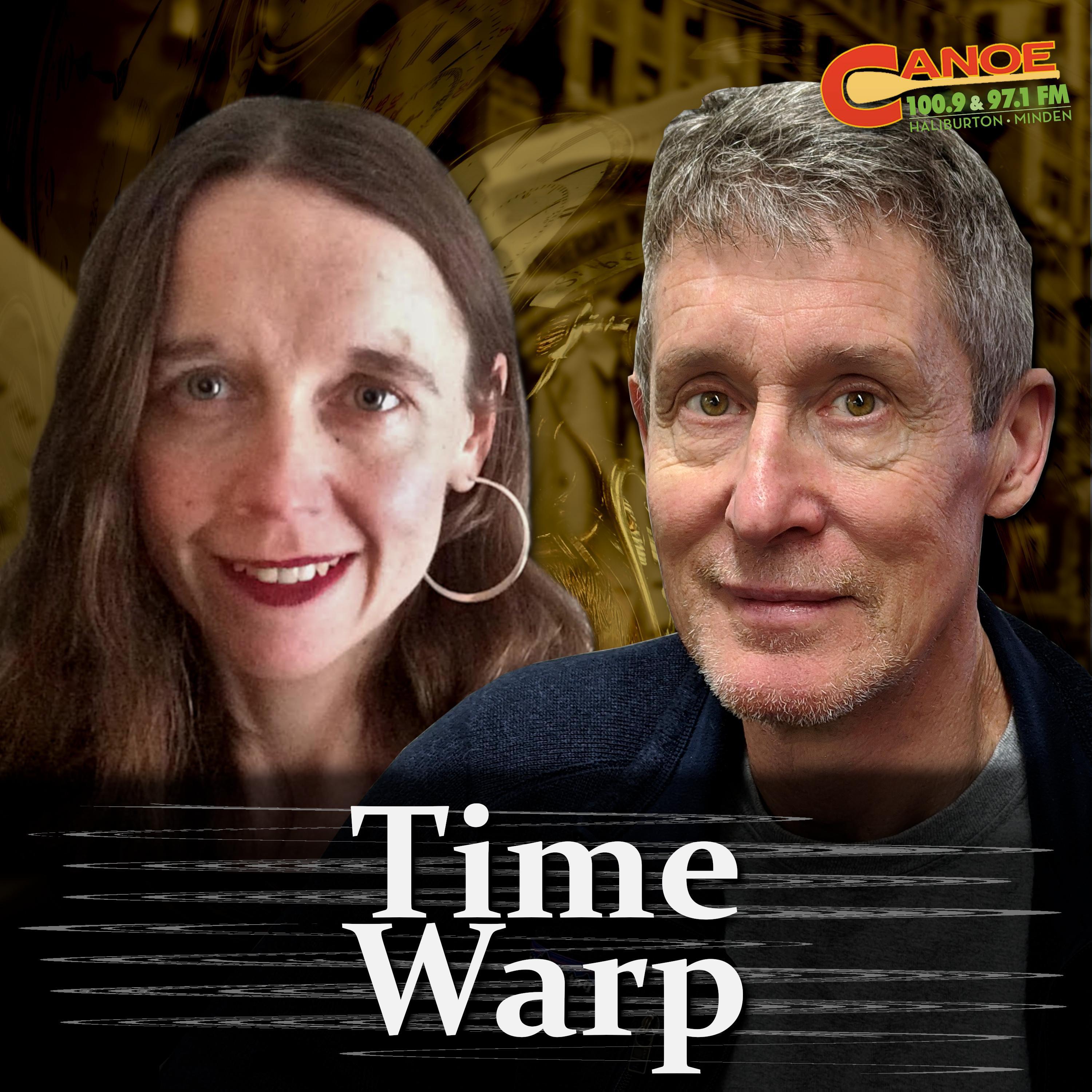
Time Warp approaches history through particulars. It notices the bridge that everyone uses and asks who built it, why it mattered, and what town life would have looked like without it. It treats maple syrup as more than a seasonal treat, placing it inside settler learning, hard labour, and a tradition that still marks spring in Haliburton County. It looks at small churches, community halls, local artists, pioneer demographics, village cows, and log drives as working parts of rural life rather than decorative nostalgia. The show has a steady two-part feel. One thread is anchored in Haliburton County and the Haliburton Highlands Museum. The other reaches outward into Canadian history, where local curiosity meets fur-trade rivalries, the Pemmican War, sea otter commerce, oil production in southwestern Ontario, nylon stockings, the Corps of Guides, and wartime fear after a Japanese submarine fired on a lighthouse station off Vancouver Island. Big topics arrive through practical questions. How did people cross water? How did settlers sweeten food? How did a nuisance seep in the ground become an industry? How did fashion become a rationing story? The pacing is conversational, with room for small jokes, side facts, and the occasional sharply drawn image. Kate Butler supplies the museum perspective and a strong feel for community memory. Paul Vorvis gives the episodes their radio-table ease, asking the next question and nudging the story forward. Time Warp is strongest when it shows how ordinary infrastructure, seasonal work, local bylaws, and remembered characters connect to larger movements in Canadian life. It is not grand-history theatre. It is the kind of show that makes a listener look differently at roads, halls, bridges, trees, and old buildings after the episode ends.