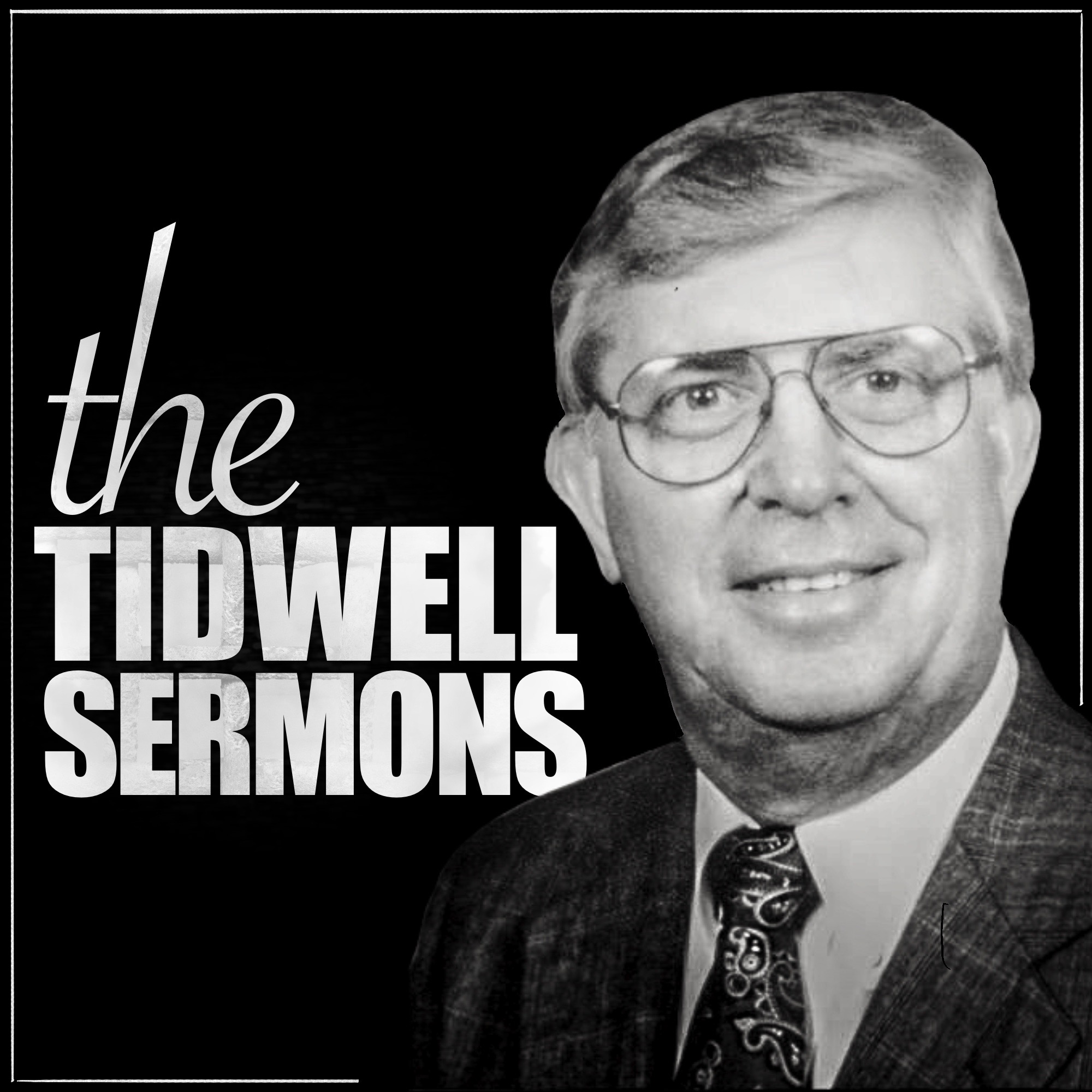
The Tidwell Sermons is a wide-ranging archive of traditional Christian preaching. It has the shape of a church service rather than a studio conversation. The speaker reads Scripture closely, circles a central question, and keeps returning to the point until the listener can feel the demand of it. The pace is measured. The pressure is steady. Sermons on John 6 ask how faith behaves when a situation looks impossible and when human effort seems too small for the need in front of it. Mark 5 becomes a meditation on prevailing faith, delayed answers, and the pain of watching others receive help while one’s own prayer still waits. James supplies several of the archive’s recurring concerns: trouble that produces endurance, prayer that becomes effective, and faith that must show itself in works. Acts 6 turns church procedure into spiritual scrutiny, asking what kind of men should serve as deacons and why character matters more than popularity, charisma, or money. Even financial bondage is handled as a matter of discipleship, personal confession, national anxiety, and practical decision. The sermons often begin with a plain question. Then they widen. A text is read, a word is explained, a story is told, and the application lands with direct force. The voice is warm, intimate, and serious, with the cadence of invitation and response. It is not built around interviews or topical chatter. It is built around proclamation. Listeners looking for polished debate, detached analysis, or quick devotional fragments may find it too insistent. Listeners drawn to biblical preaching, church life, prayer, surrender, and the practical consequences of belief will find a substantial archive with a consistent spiritual center. Its most distinctive quality is the way it treats doctrine as something that must become visible in decisions, relationships, money, endurance, and obedience.