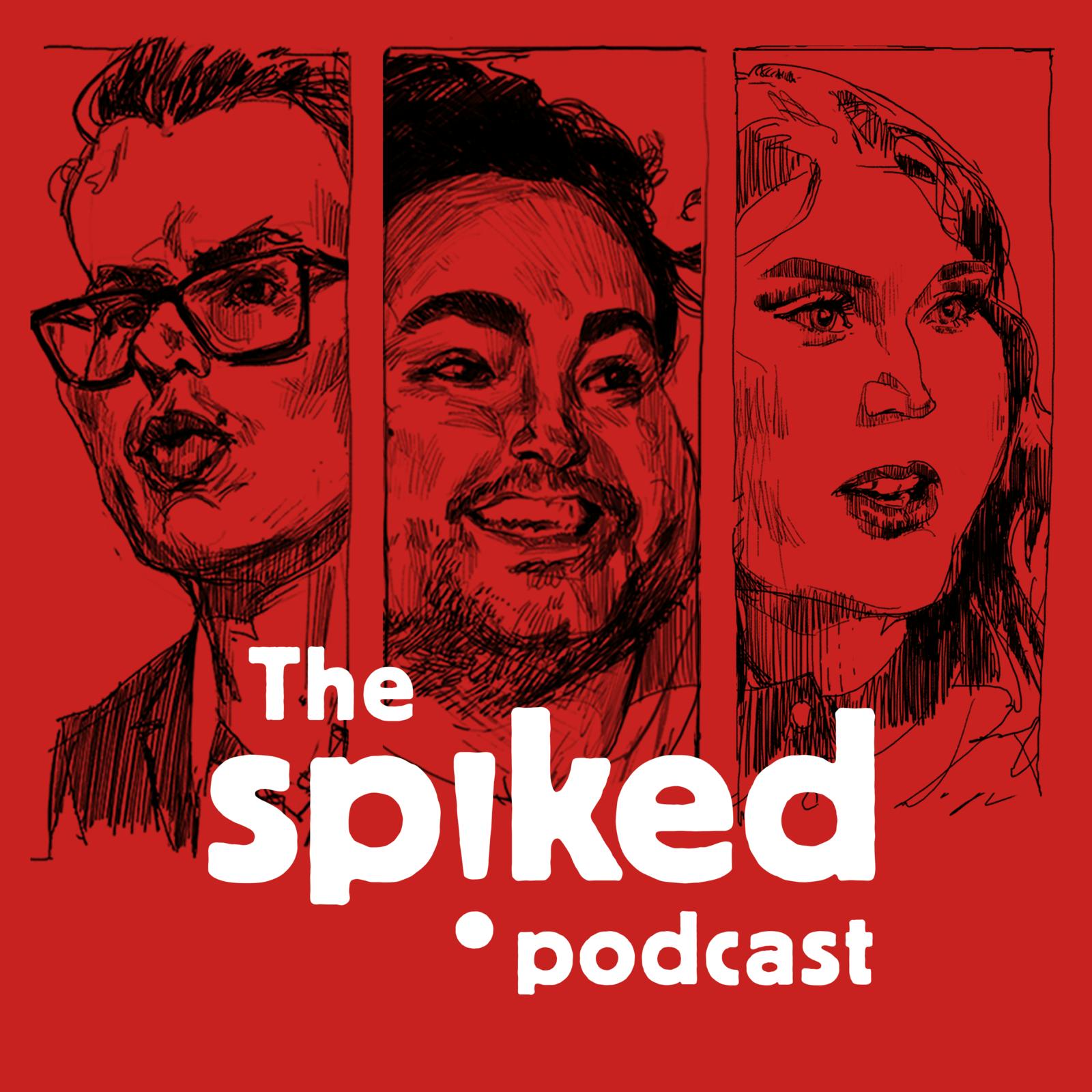
The spiked podcast works like a weekly charge sheet against the institutions it thinks have lost their nerve. It is brisk. It is openly argumentative. The panel usually begins with a live controversy and then widens the frame until a familiar pattern emerges: official cowardice, elite double standards, cultural evasions, and ordinary citizens left to absorb the consequences. In recent episodes, Southport is discussed through safeguarding failure, bureaucratic process, and the suppression of human instinct. Iran is treated not only as a foreign-policy crisis, but as a measure of Western seriousness and of the anti-Western instincts running through parts of British politics. Labour appears as a government struggling with crisis, energy policy, asylum, and its own moral language. The BBC becomes a recurring example of institutional overcorrection, underreaction, and reputational panic. Reform and the Greens are read through class, populism, and the weakening of the old political centre. The show is especially animated by free speech. It returns to public Islamic prayer, criticism of religion, censorship, Al Quds Day, antisemitism, and the limits of what mainstream politics now seems willing to say aloud. It also keeps circling the memory of lockdown, with a clear suspicion that public life is trying to forget too much too quickly. The tone is grave, dry, and often indignant. The structure is conversational, but the logic is prosecutorial: one speaker states the case, another adds examples, and the discussion tightens toward a clear editorial judgement. It is not a soft explainer. It assumes some familiarity with British politics, the culture-war vocabulary, and the major foreign-policy debates of the moment. That makes the show most useful as a sharpening tool rather than a neutral primer. Its best moments come when it connects apparently separate stories, such as sentencing guidance, media scandal, migration, religious conflict, and populist backlash, into a single argument about institutional legitimacy. Its limitations are part of its identity. The show has a settled worldview and rarely hides it. For listeners who want detached synthesis, it may feel too combative. For listeners who want a forceful, anti-establishment editorial line on UK politics and culture, it is direct, energetic, and unusually willing to say where it lands.