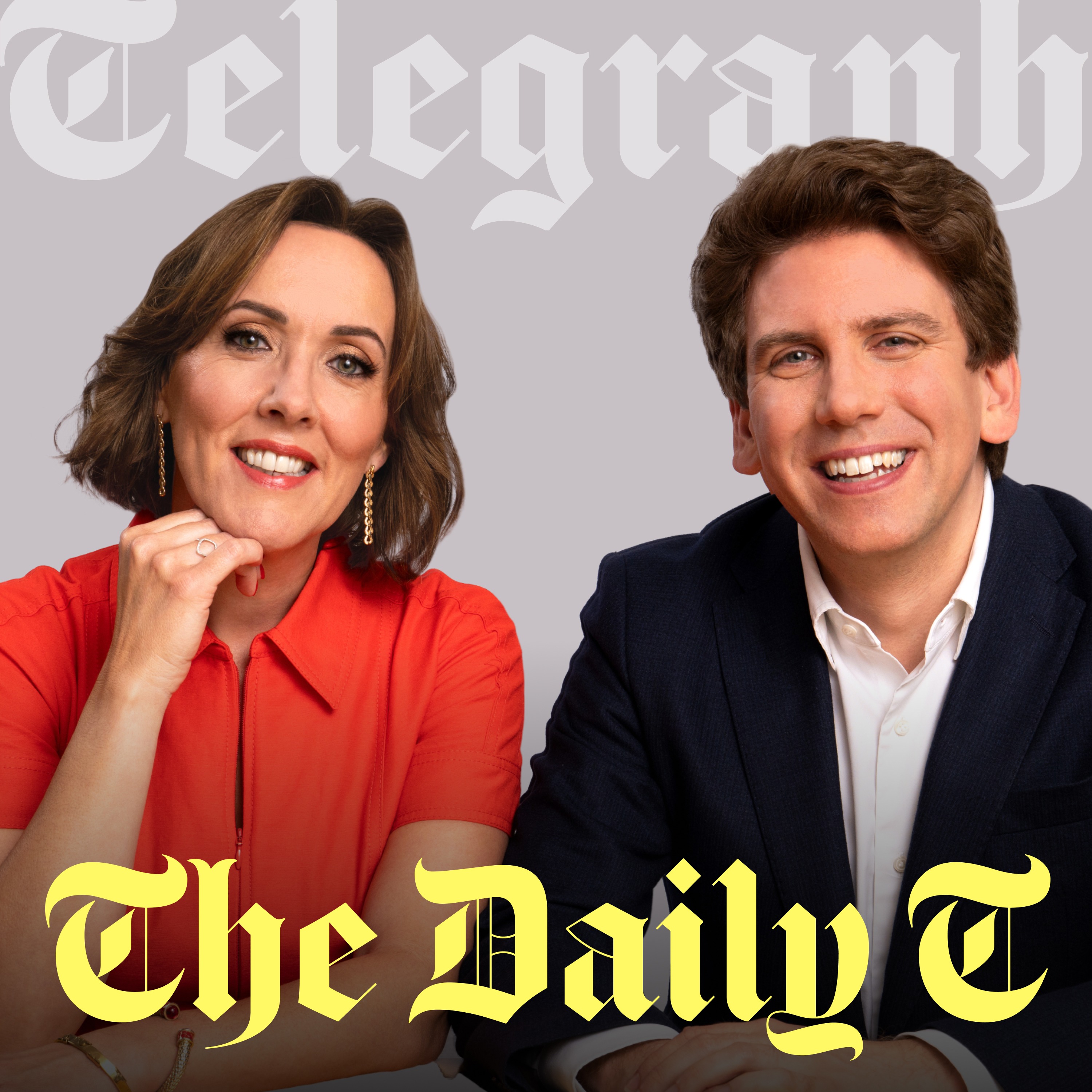
The Daily T is a Telegraph politics and current-affairs show with a taste for confrontation. It is not trying to sound neutral. The recent episodes frame politics as a running test of judgment: whether Keir Starmer can survive the Peter Mandelson saga, whether Labour is mishandling defence spending, whether Brexit is being softened by stealth, and whether ministers are pretending Britain has more global weight than it does. The programme likes a big question and a sharp verdict. It also likes a digression. A discussion of polling can sit beside a joke about curtains, a freezer being defrosted, a roadshow stop, or a child’s complaint about fish and chips at school. That looseness gives the show its texture. It feels live, argumentative, and impatient with polished official language. Royal coverage is a major recurring strand, especially when the conversation turns to Elizabeth II, Prince Andrew, Harry and Meghan, palace staff, public mourning, and the media’s role in royal crises. Guests such as Robert Hardman and Hugo Vickers bring anecdote and institutional memory, while the regular studio rhythm keeps pushing those stories toward present-day meaning. Foreign affairs enters through Iran, Israel, Lebanon, ceasefire confusion, Donald Trump, and Britain’s uncertain place in the world. Domestic politics keeps pulling the show back home. PMQs, Wales, fuel duty, local elections, school dinners, campus hecklers, and left-right roadshow theatre all become material for argument. The Daily T is best for listeners who already follow UK politics and enjoy hearing confident opinions tested in real time. It is sharp, sometimes sarcastic, and often indignant. It can be grave when the subject demands it, but it rarely becomes solemn for long. Its appeal lies in the collision of politics vocabulary, royal backstory, newspaper instinct, and conversational mischief.