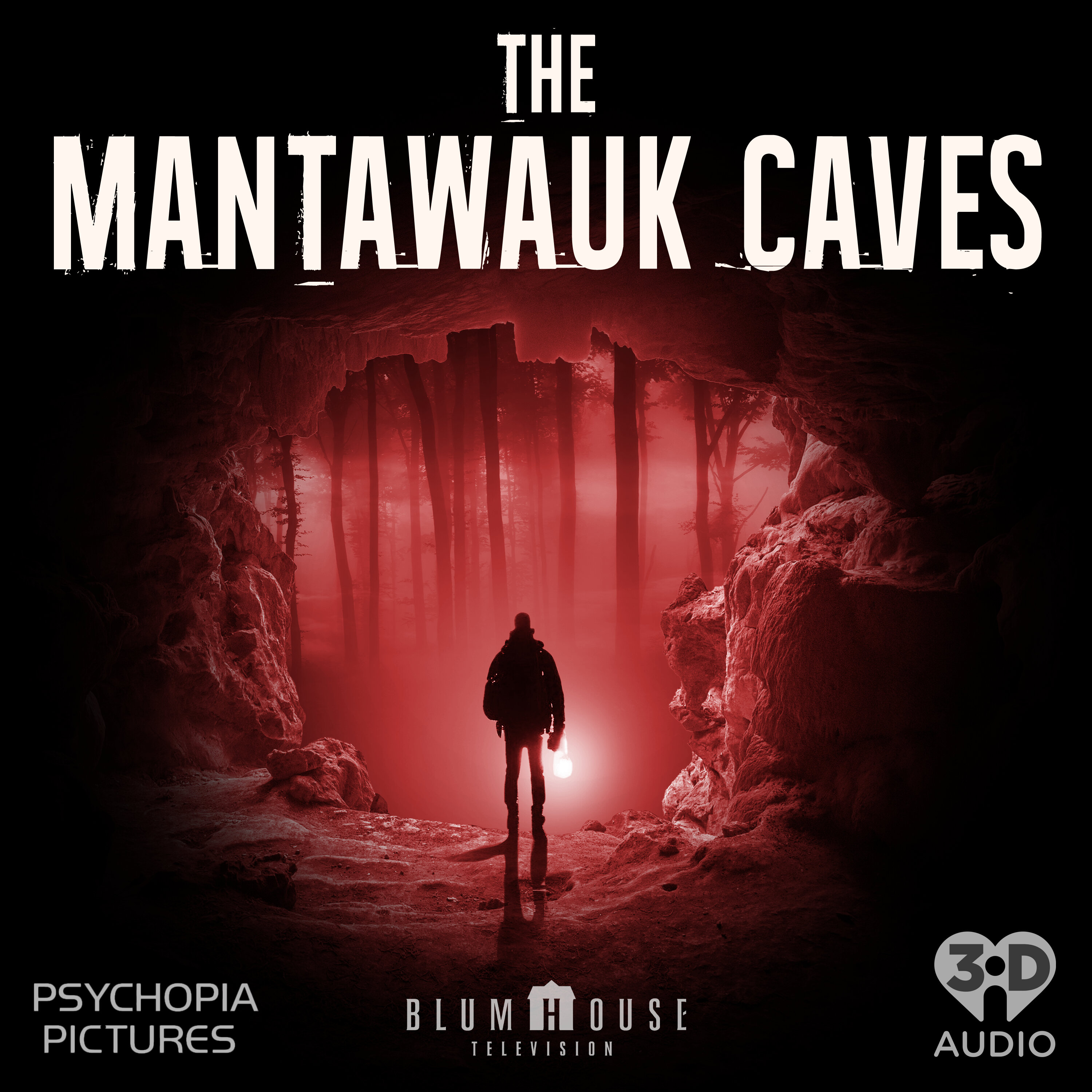
The Mantawauk Caves is a scripted mystery with its feet in dark local dirt. It begins from a wound that has never closed. In Mantawauk County, Tennessee, three boys entered a cave in 2007, and only one came out alive. The two who died were not simply lost; the case carried the suggestion of an attack by someone, or something, and the uncertainty has curdled into local legend. James Fincher became the boy the system blamed. Julien Solas became the friend who lived with the story afterward. Years later, with James on death row, Julien returns to the place he has spent his adult life circling. The show is less interested in clean nostalgia than in the sick pull of home. Every road, family name, and whispered history seems to carry evidence. Its mystery moves through old secrets, small-town silence, and the ugly convenience of deciding who must pay for a community’s fear. The caves matter because they are physical and symbolic at once. They are where the boys disappeared, but they are also where buried history keeps breathing. The series has the texture of a remembered nightmare: close, personal, and difficult to shake off. It favors dread over spectacle. The violence is never just a plot device; it leaves marks on friendships, families, and the way people speak around the truth. Julien’s perspective gives the story a wounded intimacy, while James Fincher’s looming execution gives every recollection a deadline. The question is not only what happened in the caves. It is who benefits when one version of the story becomes official. Listeners who like fictional investigations, eerie settings, and morally tangled cases will find a lot to hold onto here. The show’s best quality is its patience. It lets place, memory, and fear do their work before the next door opens.