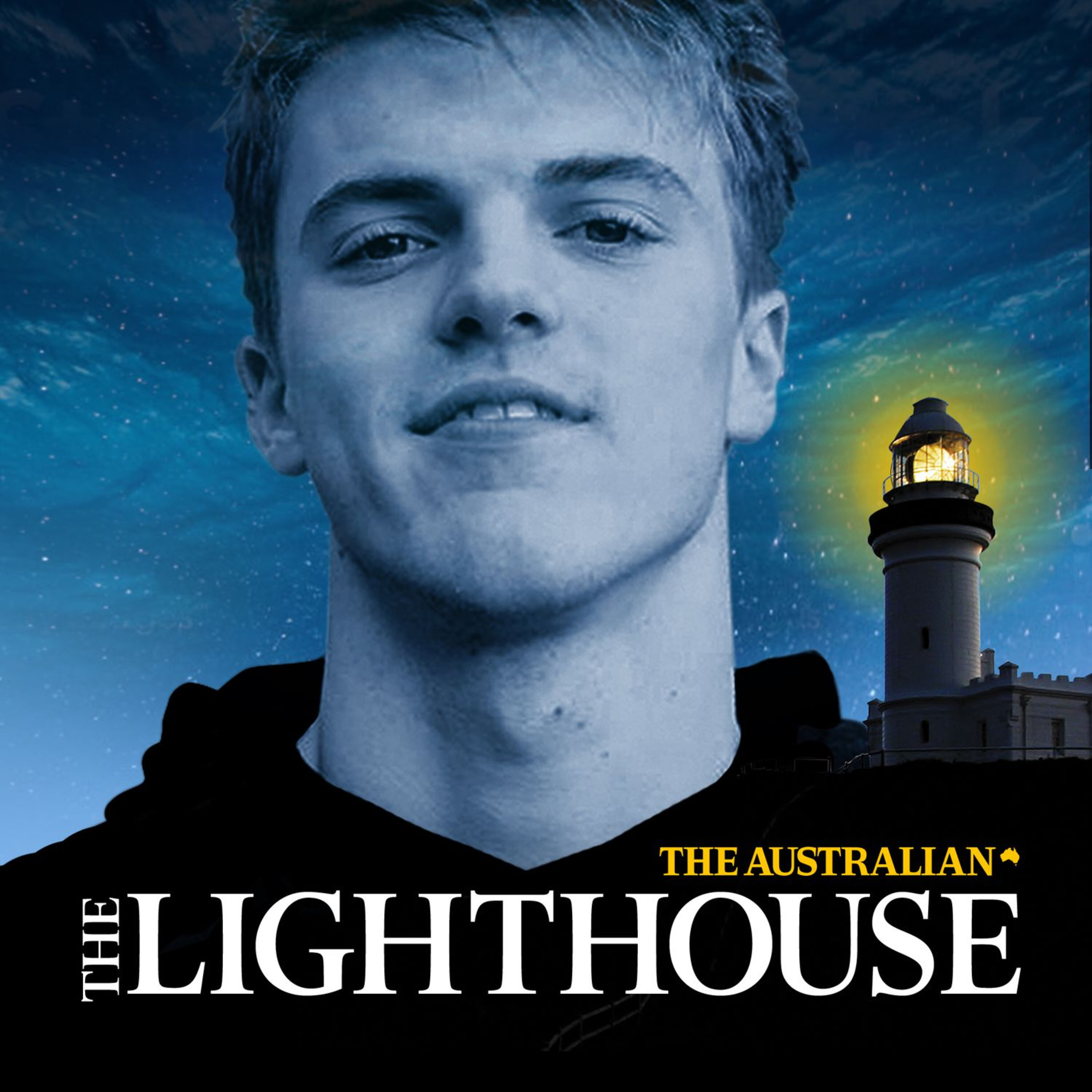
The Lighthouse is a serious investigative series about the disappearance of Theo Hayez in Byron Bay. It begins with absence: no reply, no bus taken, no reassuring sign that an 18-year-old backpacker is simply out of reception. From there, the reporting moves outward. Family members check messages, contact banks, call transport companies, and try to make sense of a silence that keeps getting heavier. The show’s strength is its patience. It does not rush past the practical work of reconstructing a missing person’s final known movements. Maps matter. Phone data matters. CCTV, walking speed, beach access points, sand dunes, leaf litter, and the shape of a cliff path all become evidence in the broader sense. The reporting repeatedly tests what seems plausible on a screen against what feels possible on the ground. That difference is often disturbing. A route that appears merely odd in data can feel almost inexplicable when walked through bushland in fading light. Local voices are essential to the series. Robert Rose searches because he knows how easy it can be for someone to remain hidden in difficult terrain. Sherry returns to mapped areas with GPS, trying to avoid missed ground and repeated paths. Family members carry the emotional record: the messages, the worry, the memories, and the refusal to accept easy closure. The series also keeps pressure on institutional questions, including what police knew, what the family could access, and what may have been missed early. Byron Bay is rendered in full contrast. It is scenic, crowded, rough-edged, and dangerous after dark. The lighthouse is both symbol and geography, a place of guidance near places where guidance can fail. The tone is grave without being theatrical. It suits listeners who want evidence, terrain, and testimony arranged carefully enough that uncertainty itself becomes the central fact.